Can-Fite Biopharma Ltd.’s namodenoson met the safety endpoint in its phase IIa open-label study in advanced pancreatic ductal adenocarcinoma patients, a readout that left investors hopeful for survival data, expected to be disclosed later this year.
Bromodomain-containing protein 4 (BRD4) is an epigenetic regulator that promotes transcription of oncogenic drivers such as MYC and contributes to tumor growth and therapy resistance in colorectal cancer, making it a promising therapeutic target. Researchers from Hangzhou Kexing Biochem Co. Ltd. described the discovery and preclinical characterization of compound [I], a potent BRD4 inhibitor.
In an all-cash transaction valued at €780 million (US$920 million), Asahi Kasei Corp. offered to buy Aicuris Anti-infective Cures AG, expanding its infectious disease portfolio with a marketed cytomegalovirus product and a herpes treatment nearing an NDA.
Vanda Pharmaceuticals Inc. will get to take its argument for twice-rejected jet lag disorder drug Hetlioz (tasimelteon) before the U.S. FDA in a formal evidentiary public hearing, a rare move by the agency that the firm claims underscores the “gravity of the legal and scientific issues” it has raised.
Oddsmakers wasted no time figuring the market chances after Merck & Co. Inc. rolled out data from the phase III Litespark-011 study testing its oral hypoxia-inducible factor-2 alpha (HIF-2α) inhibitor, Welireg (belzutifan), when used with tyrosine kinase inhibitor Lenvima (lenvatinib, Eisai Co.) in advanced renal cell carcinoma.
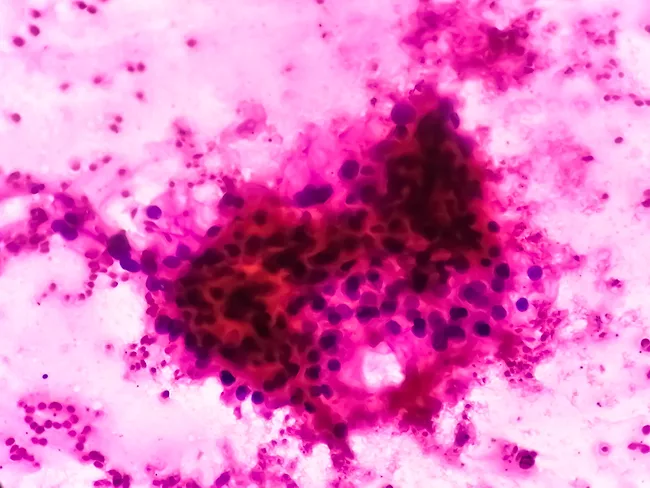
China’s National Medical Products Administration has approved Sino Biopharmaceutical Ltd.’s rovadicitinib, branded as Anxu, for first-line treatment of adults with intermediate- or high-risk primary myelofibrosis, as well as post polycythemia vera myelofibrosis or post-essential thrombocythemia myelofibrosis.
Another phase III failure of Theravance Biopharma Inc.’s norepinephrine reuptake inhibitor ampreloxetine to treat symptomatic neurogenic orthostatic hypotension, this time in patients with the rare disease multiple system atrophy, means the end of the company’s R&D efforts. Cutting its workforce in half and terminating all development of ampreloxetine, its only pipeline product, the Dublin-based company’s shares (NASDAQ:TBPH) sank by 26%, or $4.99, to close March 3 at $13.96.
The busy Prader-Willi syndrome (PWS) space took another hit as did shares of Aardvark Therapeutics Inc. (NASDAQ:AARD), which closed March 2 at $5.47, down $7.02, or 56%, after the company disclosed a voluntary pause of the phase III Hunger Elimination or Reduction Objective (HERO) trial testing ARD-101 as a treatment for hyperphagia, or intense hunger, in patients with the disease.
Boehringer Ingelheim Ltd. has acquired an exclusive license for a preclinical small-molecule program from Sitryx Therapeutics Ltd. The program offers a novel oral immunometabolic approach to modulating disease-driving immune cells with potential for multiple autoimmune and inflammatory disease indications.
The psychedelic and psychedelic-like drug space made another stride as Ataibeckley Inc. disclosed positive top-line data from a double‑blind, placebo‑controlled, first-in-patient phase IIa study testing oral R-MDMA therapy EMP‑01 in adults with social anxiety disorder (SAD).
 RSS
RSS




-cells-in-blood-flow.webp?height=488&t=1772563584&width=650 "Primary myelofibrosis (PMF) cells in blood flow")