Further weight loss details are yet to come this year, but Eli Lilly and Co. scored positive top-line results in Transcend-T2D-1, a phase III trial evaluating the efficacy and safety of retatrutide, an investigational first-in-class GIP, GLP-1 and glucagon triple hormone receptor agonist, as an adjunct to diet and exercise in type 2 diabetes (T2D).
Atrogi AB is making a bid for a slice of the obesity market and has dosed the first overweight subjects with ATR-258, an oral therapy it says mimics the effects of exercise, driving loss of fat whilst sparing muscle.
It’s déjà vu all over again for Aldeyra Therapeutics Inc., which disclosed its third complete response letter (CRL) for dry eye disease candidate reproxalap, with the U.S. FDA citing a lack of substantial and consistent evidence of efficacy.
The GLP-1 fight has moved from injectables to pills, and Structure Therapeutics Inc. is in the ring with phase III-ready aleniglipron. According to the Bay Area biotech, its oral once-daily glucagon-like peptide-1 (GLP-1) drug candidate, aleniglipron, demonstrated an absolute weight loss of “up to 39 pounds” in the 44-week Access II trial.
Australia has released the first clinical practice guideline for the appropriate use of methylenedioxymethamphetamine-assisted psychotherapy for post-traumatic stress disorder, but clinicians caution that evidence, infrastructure and access remain works in progress.
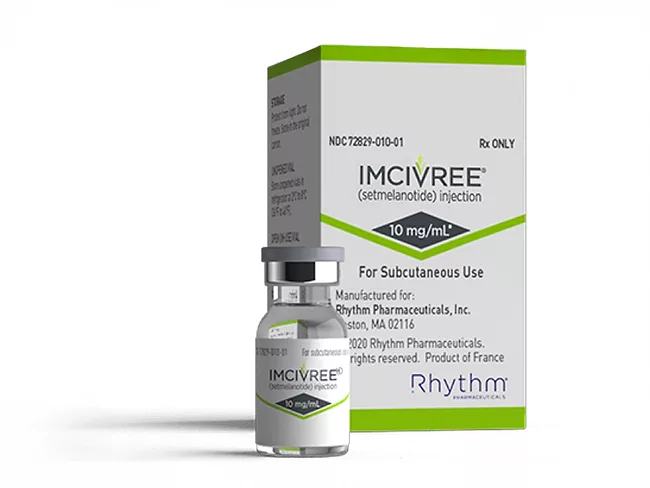
Low expectations for Rhythm Pharmaceuticals Inc.’s phase III study dubbed Emanate with Imcivree (setmelanotide) in a handful of rare genetic obesities meant hardly any share price consequence, and the stock (NASDAQ:RYTM) closed March 17 at $87.68, down $2.83. “We’re not going to file [for approval] on any of these,” CEO David Meeker said, but the latest findings together represent “a solid building block going forward,” he added.
Otsuka Pharmaceutical Co. Ltd. reaped positive results from an open-label phase II study of repinatrabit (JNT-517) in adolescents with phenylketonuria (PKU), a rare disease marked by the inability to break down the amino acid phenylalanine.
Multi-modality platform company Kanaph Therapeutics Inc. raised ₩40 billion (US$26.7 million) through its Kosdaq stock sale March 16, becoming the first Korean biotech to go public this year. The Seoul-based company’s shares (KOSDAQ:0082N0) climbed to ₩70,000 in intraday trading before closing at ₩50,600 – 153% higher than the offering price.
Two biotech and three med-tech companies are slated for Kosdaq debuts this month, signaling a potential rebound for Korea financings in 2026. Kanaph Therapeutics Inc. will open with a ₩40 billion (US$26.99 million) raise and Imbiologics Corp. will debut with ₩52 billion. Additionally, Mezoo Co. Ltd., Cosmo Robotics Co. Ltd. and Recensmedical Inc. will launch IPOs.
China’s National Medical Products Administration (NMPA) has accepted for review Hightide Therapeutics Inc.’s NDA for HTD-1801 for type 2 diabetes, marking the Shenzhen-based company’s first NDA submission and a major step toward commercialization.
 RSS
RSS