Owlstone Medical Ltd. recently secured $27 million in the first close of its series E financing round for clinical trials and product commercialization based on its Breath Biopsy platform technology. The fundraise was led by Ventura Capital, joined by Aviva Ventures, Horizons Ventures and other existing investors.
As 2025 makes its debut, one of the topics gaining momentum in health care is the diagnosis and potential treatment of neurodegenerative diseases, a scourge that threatens to overwhelm society and drain treatment budgets around the world. One company looking to find solutions to the oncoming neurodegenerative disease tsunami is privately held Sunbird Bio Inc., which is developing blood-based diagnostic platform for neurological diseases like Alzheimer’s and Parkinson’s disease.
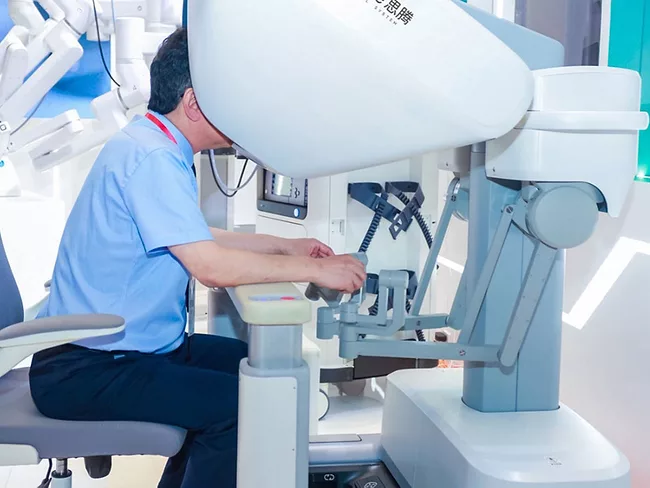
Cornerstone Robotics Ltd. raised more than $70 million in a series C round to expand its international footprint and accelerate R&D efforts for its robotic surgery solutions. The funds will allow the Hong Kong-headquartered company to accelerate commercialization of new surgical robotic products, conduct clinical trials, obtain regulatory approvals and promote global adoption of advanced robotic surgical solutions.
Med-tech firms raising money in public or private financings, including: Alleviant, Allurian, Conceivable Life Sciences, Fize, Solera, Tethis, Truveta.
Brainaurora Medical Technology Ltd. debuted on the Hong Kong stock exchange Jan. 8 with a HK$583.18 million (US$74.93 million) IPO, offering about 181.11 million shares at HK$3.22 per share.
 RSS
RSS