By several measures, and despite economic hardships leading to layoffs at some companies, the med-tech industry fared well throughout 2022. Financing amounts were greater than nearly every year before the COVID-19 pandemic; deals reached their highest volume to date and mergers and acquisitions did better than most recent years.
With $20 million raised in a series B round led by Brandon Capital and Tenmile, Aravax Pty Ltd. is poised to begin phase II trials of its immunotherapy, PVX-108, for peanut allergy. “Our product is unlike other approaches that are in later stages of development, and those products generally use natural extracts from peanuts to treat peanut allergy,” Aravax CEO Pascal Hickey told BioWorld.
Anocca AB raised €25 million (US$26.5 million) in venture debt financing from the European Investment Bank to maintain its progress toward the clinic. “We’re quickly moving towards regulatory filings next year,” CEO and co-founder Reagan Jarvis told BioWorld. The company aims to start its first clinical trial in 2024.
3D Medicines Inc. has raised HK$408 million (US$52.5 million) in a listing on the Hong Kong Stock Exchange. Its shares opened at HK$29 apiece, jumped by more than 20% by the middle of the day, and closed at HK$31.45 on the first trading day of Dec. 15.
It was a grueling year for life sciences companies trying to raise money and keep afloat. Despite the industry’s front-line position in fighting COVID-19, sparking an overzealous enthusiasm, the soaring financings and rising stock prices of 2020 took an about-face beginning in 2021 and dropping even further in 2022. Share prices plummeted amid economic turmoil that included rising inflation, geopolitical pressures, and budgetary threats. Investors closed their wallets just as burn rates increased and funds diminished. Partnering fell to pre-pandemic levels and mergers and acquisitions hit a five-year low. Without capital, the uncertainty led companies to the only other option, workforce reductions and restructurings, pushing aside promising candidates at the expense of patients.
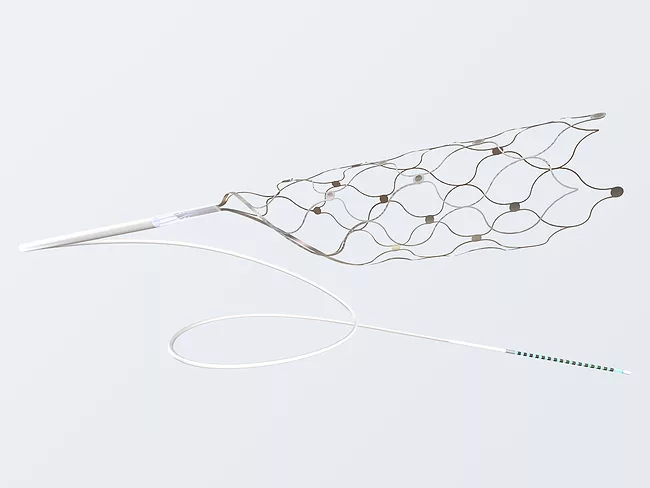
Medical technology company Synchron Inc. completed an AU$110 million (US$73.9 million) series C round that will allow the company to conduct a feasibility study and pivotal trial of its implantable brain computer interface that can interpret and stimulate parts of the brain.
 RSS
RSS