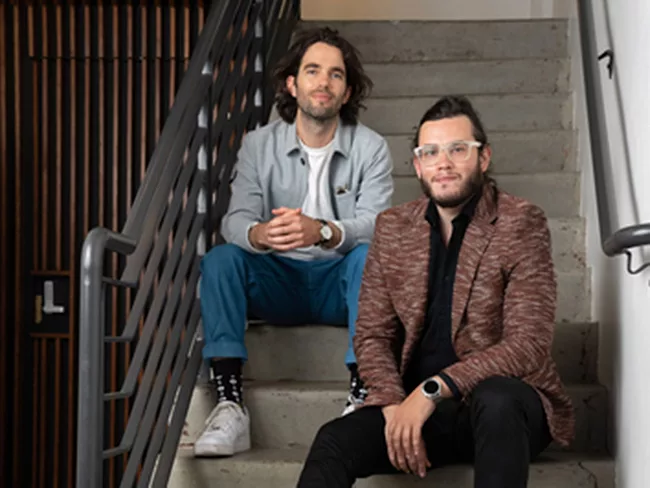
To understand the focus of startup Insamo Inc., one need look no further than its name, which co-founder and CEO Timothy Craven described as “portmanteau of ‘internally satisfied molecules,’” highlighting its efforts to create orally administered and membrane-permeable cyclic peptides across a range of disease areas.
Medicxi is spinning six of its early stage companies into an immuno-dermatology specialist and turbocharging development with a $100 million seed round.
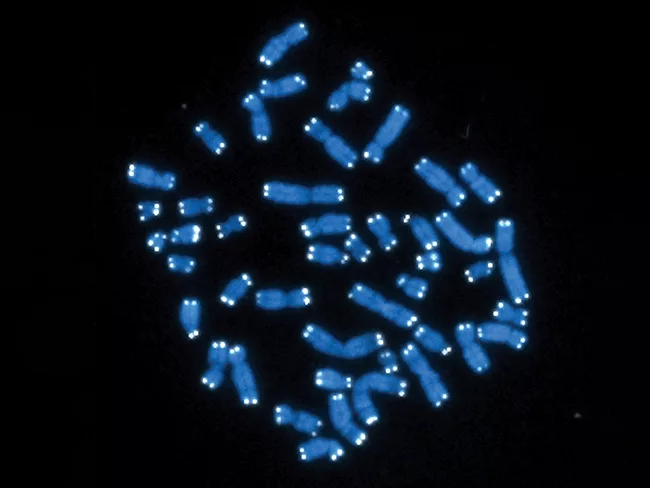
With an initial €8 million (US$8.4 million) in seed funding in the bank, Tessellate Bio has emerged from stealth to tackle cancers that rely on the less well explored synthetic lethality mechanism of alternative lengthening of telomeres.
As its name suggests, Superluminal Medicines Inc. is aiming for speed. The startup, which closed a $33 million seed round led by RA Capital Management, is combining a biology-focused approach with a generative AI platform it says has the potential to create candidate-ready compounds in a matter of months, with its initial sights set on G protein-coupled receptor targets.
With more than 70,000 people living with cystic fibrosis (CF) worldwide, according to the Cystic Fibrosis Foundation, the introduction of CF transmembrane conductance regulator (CFTR) modulator therapies has revolutionized treatment of the disease. However, these drugs are not effective for around 10% of CF patients, driving a significant unmet therapeutic need. One startup hoping to address this is Anoat Therapeutics.
New company Amber Bio emerged on Aug. 3 with $26 million in seed funding that will help advance an RNA-based gene editing platform that leverages Cas-based systems to create safer medicines. Through the company’s platform, a single drug can be used to treat diseases with high allelic diversity. The company plans to develop its own genetic medicines internally, while also licensing out the technology to expand its reach.
Precision medicine startup Solu Therapeutics has raised $31 million in an oversubscribed seed round to advance a therapeutic candidate based on technology that identifies cell surface, tumor-associated targets that antibodies alone fail to latch onto. The company was founded by venture capital firm Longwood Fund and has high hopes for its cytotoxicity targeting chimera platform. “[It] has the potential to unlock new tumor-associated antigens and develop molecules that deplete pathogenic immune cells and extend the half-life of small-molecule antagonists and agonists,” CEO and co-founder of Solu, David Donabedian, told BioWorld.
The identification of new targets in diseases of the central nervous system (CNS) such as Alzheimer’s and Parkinson’s – conditions which continue to have significant unmet needs – has taken a small step forward as one company, Violet Therapeutics Inc., plans to put $10.6 million in seed funding toward building out a pipeline based on technologies that elucidate the way cells interact amongst one another.
Albatroz Therapeutics Pte Ltd. has secured $3 million in seed funding to develop therapeutic antibodies against a new target that degrades the extracellular matrix, a key contributor to cancer and arthritis.
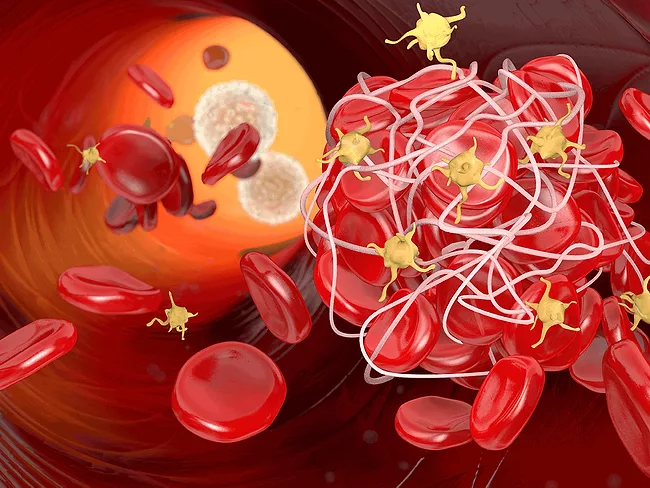
With the backing of €2 million (US$2.17 million) in seed funding from venture capital company Adbio partners, French biotech Calida Therapeutics hopes that drawing on some U.S. academic research into thrombo-inflammatory disorders will enable it to develop a series of monoclonal antibodies.
 RSS
RSS