Neumora Therapeutics Inc., a neuroscience startup aiming to launch precision medicines for brain diseases, said Oct. 7 it has raised more than $500 million, including a $100 million equity investment from Amgen Inc. and a series A financing led by Arch Venture Partners. The company launches with a portfolio of eight clinical, preclinical and discovery-stage programs from internal discovery efforts, the acquisitions of multiple private companies and a new license agreement with Amgen.
Intergalactic Therapeutics Inc. is aiming for the stars with a nonviral gene therapy platform, backed with $75 million in series A financing from life sciences venture capital firm Apple Tree Partners. While management are tongue in cheek about the name of the company, they are serious about their mission to produce a next generation of gene therapies that overcome the issues associated with marketed adeno-associated virus-based products.
DUBLIN – Sapreme Technologies BV is taking a novel approach to the extraordinary inefficiency of intracellular delivery of macromolecular drugs by developing a series of compounds that can dramatically improve the rate with which drugs such as proteins and oligonucleotides can escape the endosome.
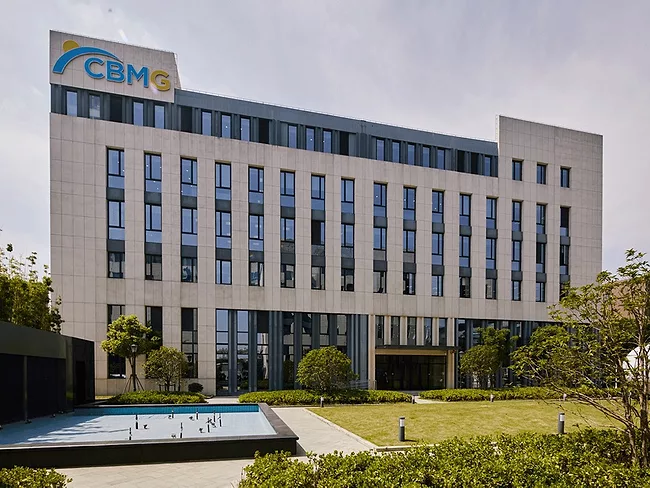
Cell therapy developer Cellular Biomedicine Group Inc. (CBMG) completed a $120 million series A financing, its first since becoming a private company. The funds will benefit the U.S. and China-based firm’s CAR T pipeline, and the round was jointly led by Astrazeneca-CICC Fund, Sequoia Capital China and Yunfeng Capital. Existing investors including GIC Private Ltd. (formerly Government of Singapore Investment Corp.) and TF Capital also took part.
Preclinical neuroscience firm Delix Therapeutics Inc., a startup developing non-hallucinogenic analogues of psychedelics, has closed a $70 million series A financing. The new funds will help the Boston-based company advance two lead candidates through phase I trials, DLX-1 and DLX-7, with studies planned for starts in late 2022 or early 2023.
858 Therapeutics Inc. emerged from stealth mode, unveiling $60 million in series A funding and plans to drug a series of protein targets involved in modulating RNA biology in cancer.
PERTH, Australia – After raising AU$20 million (US$14.62 million) in a series A round, serial entrepreneur Paul Hopper is unveiling his newest venture, Radiopharm Theranostics Ltd., which is developing a platform of radiopharmaceutical and nuclear medicine products for both diagnostic and therapeutic uses.
Rune Labs Inc. is on a mission to make the mysteries of the brain easier to read for both clinicians and biopharma companies. Having a fresh $22.8 million in a series A financing on the books will no doubt make the goal easier to reach.
LONDON – Anjarium Biosciences AG has raised $61 million in a series A to advance development of a new class of gene therapy it is developing from the ground up to overcome shortcomings of current viral vector-based products. The Zurich, Switzerland-based company is assembling a toolkit of stable DNA vectors and targeted lipid nanoparticle and exosome delivery vehicles that it said will lead to “bespoke expression of genes” and address the underlying causes of genetic diseases in a more predictable, repeatable and lasting way.
The axolotl, which can regenerate many of its body parts, was the inspiration for Walking Fish Therapeutics Inc., which just closed on a $50 million series A financing to advance its B-cell therapies for oncology, rare disease, regenerative medicine, autoimmune disease and recombinant antibody production.
 RSS
RSS