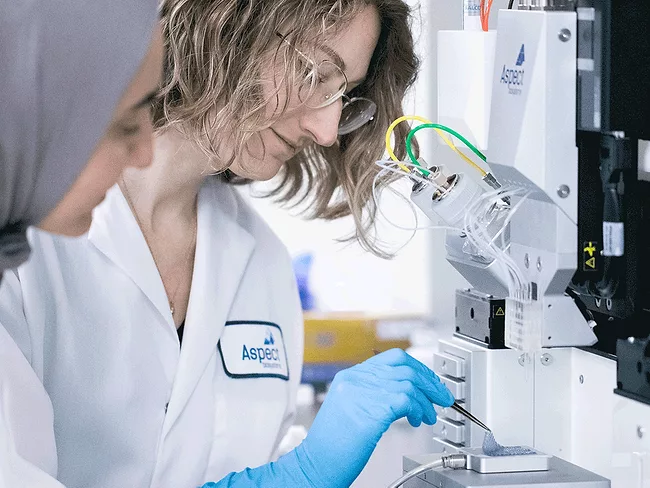
In collaborating with Novo Nordisk A/S, privately held Aspect Biosystems Ltd. entered its biggest ever deal that could bring in more than $2.6 billion while advancing its 3D, bioprinted tissue therapeutics technology. The two companies will collaborate to develop up to four diabetes and/or obesity products, a Novo specialty, using implantable bioprinted tissues to replace, repair or supplement human biological functions. The initial target will be type 1 diabetes.
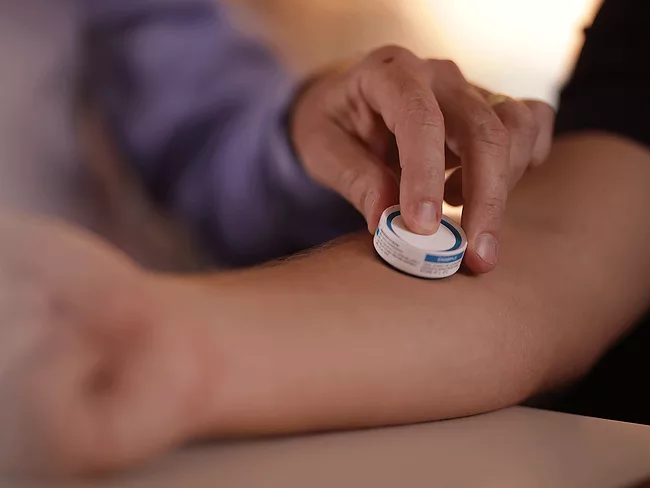
Vaxxas Pty. Ltd. raised AU$34 million (US$23 million) to advance its needle-free COVID-19 vaccine program, which began in early November, and readouts from the study are expected in late February or early March, Vaxxas CEO David Hoey told BioWorld. The COVID-19 vaccine patch is based on the company’s high-density microarray patch technology that delivers Hexapro, a second-generation version of the spike protein used in all major U.S.-approved COVID-19 vaccines.
The angst over the maladroit roll-out of the European Union’s Medical Device Regulation (MDR) has reached the European Parliament (EP), which met recently to address the issue. Stella Kyriakides, who oversees the MDR on behalf of the European Commission (EC) responded to stinging criticism from the EP that the EC’s health council will meet in December to address both the short-term and structural problems with the MDR, but had little detail to offer other than a promise to keep the EP abreast of these developments.
While weekly global and U.S. confirmed cases of COVID-19 are below each of the last two years, infectious disease experts remain on guard. There are still about 1,500 people dying around the world each day, including 350 in the U.S., and the SARS-CoV-2 virus may continue to find ways to outmaneuver current treatments and vaccines.
Enhanc3D Genomics Ltd. has raised £10 million (US$11.3 million) in a series A round to advance development of its Genlink3D technology for directly linking gene regulators in non-coding DNA to their target protein coding genes.
Andera Partners closed its Biodiscovery 6 fund at €456 million (US$442 million). The venture capital firm will maintain its custom of allocating about two-thirds of the fund to biotechnology and one-third to medical devices and medical technology. The fund just edges past its target of €450 million. It is considerably larger than its immediate predecessor, Biodiscovery 5, which raised €345 million.
Three months after agreeing to an intellectual property waiver for COVID-19 vaccines, World Trade Organization (WTO) members are discussing expanding it to therapies, diagnostics and devices used in preventing, diagnosing and treating COVID-19 infections.
Recognizing that academic sponsors and nonprofits are major contributors to the development of advanced therapy medical products (ATMPs) and diagnostic and delivery devices, the EMA is launching a pilot program to help them navigate the challenging regulatory requirements in the space.
The University of Sydney is investing AU$478 million (US$326.5 million) to build a leading biomedical precinct to fast-track research and shorten the time between discovery and development of transformative therapies.
It’s that time of year when the U.S. Trade Representative asks for help as it prepares its list of notorious markets for counterfeiting and piracy. While it’s not exhaustive, the annual list is composed of online and physical markets around the world that deal in commercial-scale counterfeiting and piracy across all sectors, including biopharma and med tech.
 RSS
RSS