Public drug and device companies may want to think twice before eagerly jumping on the COVID-19 bandwagon with announcements overselling their efforts to develop or repurpose products to treat patients infected with the coronavirus.
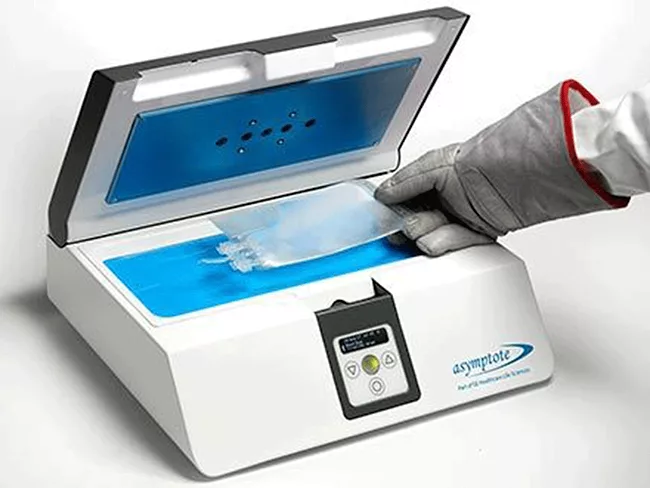
LONDON – These are hardly times for a fanfare, but this month saw the unveiling of a new name in bioprocessing, following the formal closing of the $21.4 billion sale of GE Healthcare’s Life Sciences to Danaher Corp. The business, now renamed Cytiva, has turnover of $3.3 billion, nearly 7,000 employees and operations in 40 countries. More than 75% of FDA-approved biologic drugs use its products in their manufacture.
The Korea Export Import Bank (KEXIM) took a step toward fulfilling its mandate to finance Korean companies’ overseas expansion by seeking managers for a new ₩400 billion (US$328 million) fund.
As the demand increases for ventilators to treat Americans with severe symptoms of COVID-19, another shortage is being exacerbated – a shortage of the drugs needed to treat patients on ventilators.
Given the evolving COVID-19 situation, U.S. House committee chairs are asking the White House Office of Management and Budget (OMB) to direct federal agencies to immediately extend all public comment periods by at least 45 days beyond the end of the declared national emergency, whenever that may be.
As the world goes to war with COVID-19, the U.S. is ripping open the purse strings to fund mobilization against both the coronavirus and the economic devastation it’s causing.
“We look forward to the day where we can get back to normal,” U.S. President Donald Trump said Monday at a COVID-19 news conference in which reporters sat every-other-seat apart. In an unusually somber tone, the president said it now looks like it will be at least July or August before the outbreak “washes through.”
The circuit breakers activated almost immediately when the markets opened this morning as the Dow plummeted, with investors moving into cash and away from equities. Clearly, they were not impressed with the Federal Reserve’s decision to slash its benchmark interest rate to nearly 0% to help combat the economic fallout from the coronavirus outbreak.
Taking a breather from the political rhetoric that’s permeated the U.S response to COVID-19 and pushed legislation aimed at lowering drug prices to the back burner, a House subcommittee Wednesday advanced several bipartisan bills intended to improve the safety and ensure the supply of drugs and medical devices.
Against the backdrop of the global spread of COVID-19, India announced restrictions Tuesday on the export of 26 active pharmaceutical ingredients (APIs) and formulations of those ingredients.
 RSS
RSS