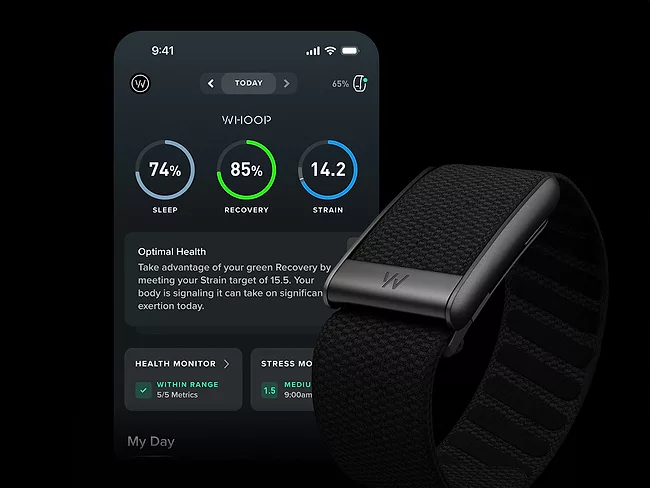
Whoop Inc. secured $575 million in a series G funding round at a $10.1 billion valuation to advance its AI-powered wearable platform for personalized and preventive health care. Abbott Laboratories joined the round as a strategic investor, backing the company’s push to expand access to its device amid growing demand.
What do a patent dispute over a CRISPR/Cas system, a rejected whistleblower case involving lab tests and a vaccine injury claim parading as multidistrict tort litigation have in common? All three were denied cert in the U.S. Supreme Court’s latest orders list.
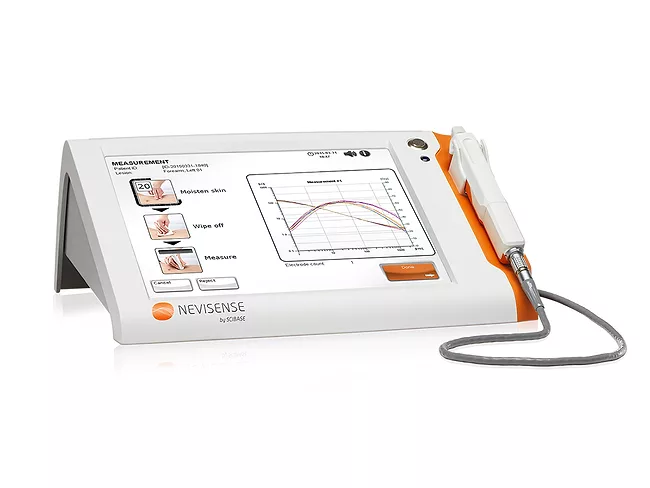
The U.S. FDA has issued a final order to reclassify optical diagnostic devices for melanoma detection and electrical impedance spectrometers from class III to class II, with special controls required.
AI and advanced biotechnology are reshaping South Korea’s med-tech sector, but great technology alone is not enough to build a successful medical device company, speakers said at MedTech Innovator’s Medtech Spotlight: New Impact Korea 2026.
AI and advanced biotechnology are reshaping South Korea’s med-tech sector, but great technology alone is not enough to build a successful medical device company, speakers said at MedTech Innovator’s Medtech Spotlight: New Impact Korea 2026.
Roche Holding AG received CE Mark approval for its Elecsys Apolipoprotein E4 (ApoE4) biomarker test, an in vitro diagnostic immunoassay to identify the ApoE4 gene variant from a blood sample. With APOE4 considered as the strongest genetic risk factor for developing Alzheimer’s disease, the test provides a fast, reliable way to determine whether an individual carries the genetic variant without the need for DNA‑based genotyping.
There is broad agreement that psychiatric diagnoses in their current form are not reflective of any underlying biology, and that this is one of the things hampering psychiatric drug development. “We are still fully reliant on descriptive diagnoses that yield heterogeneous patient cohorts,” Steve Hyman told the audience at the European Congress of Neuropsychopharmacology (ECNP) Roadmap Meeting on Precision Psychiatry in Amsterdam in January.
Agilent Technologies Inc. has agreed to buy Biocare Medical LLC for $950 million in cash in a bid to strengthen its pathology portfolio. The deal adds Biocare’s complementary immunohistochemistry antibodies, reagents and instruments portfolio to Agilent’s existing offerings, and expands its ability to serve a wider range of pathology laboratories across clinical and research settings.
Merck Sharp & Dohme LLC (MSD) has prepared and tested new positron emission tomography (PET) agents for binding and imaging α-synuclein (SNCA) for the diagnosis of Parkinson’s disease.
Grail Inc.’s share price dropped more than 50% in premarket trading Feb. 20 after it reported late the day before that the NHS-Galleri trial did not meet its primary endpoint. The U.K study, done though the National Health Service with 142,000 individuals enrolled, evaluated the ability of Grail’s Galleri multicancer early detection test to look for cancer-specific methylation patterns in blood.
 RSS
RSS


-biomarker-test.webp?height=488&t=1773783523&width=650 "Elecsys Apolipoprotein E4 (ApoE4) biomarker test")