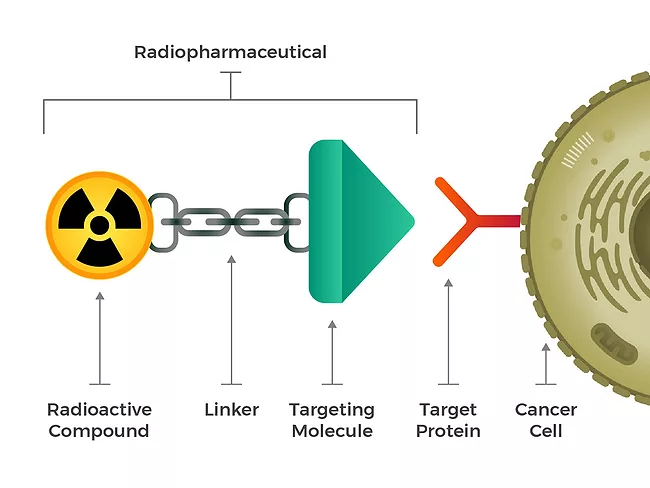
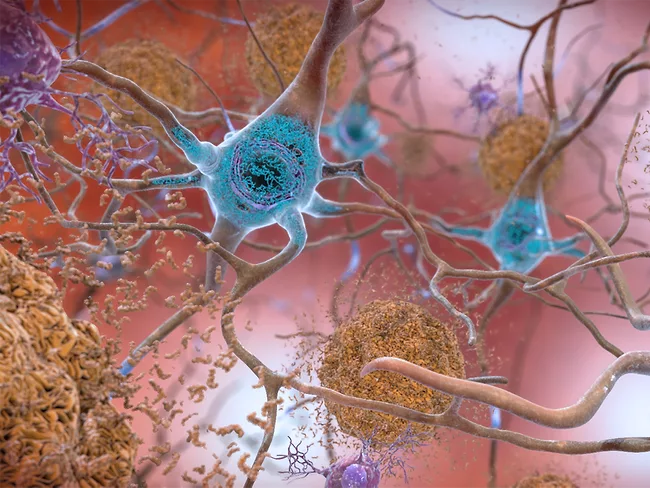
A year out from Leqembi’s approval for Alzheimer’s disease (AD), ongoing research coupled with artificial intelligence is advancing both radiopharmaceuticals and small-molecule drugs for AD diagnostics and treatment, speakers at the 2024 KoNECT-MOHW-MFDS conference said.
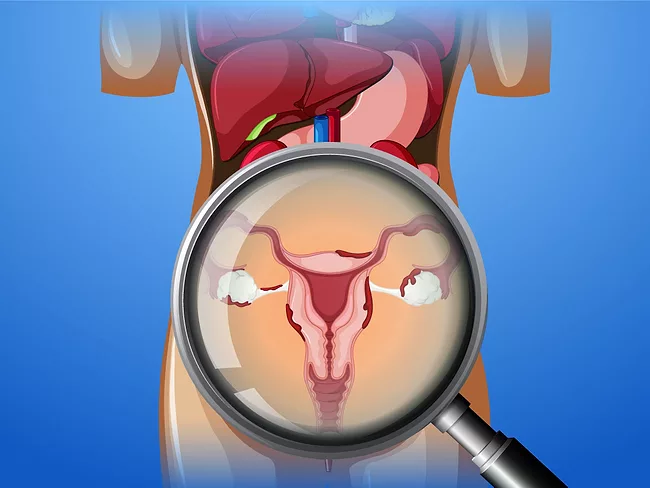
According to World Health Organization data, endometriosis affects about 10% of reproductive-age females globally. That already makes endometriosis a wildly underresearched and underfunded disease in relation to its prevalence. Plus, Rama Kommagani thinks even 10% is an underestimation.
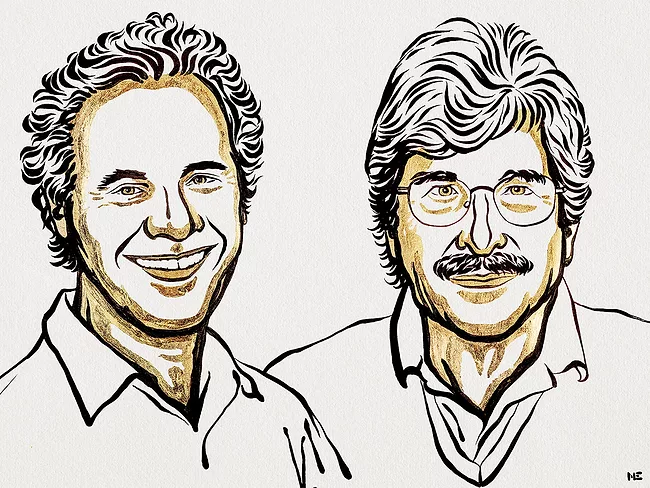
Research into the regulation of gene expression experienced a significant breakthrough with the discovery of microRNA, small RNA molecules that do not code for proteins but control their translation. This finding has earned its discoverers – Victor Ambros and Gary Ruvkun – the 2024 Nobel Prize in Physiology or Medicine “for the discovery of microRNA and its role in post-transcriptional gene regulation.”
Research into the regulation of gene expression experienced a significant breakthrough with the discovery of microRNA, small RNA molecules that do not code for proteins but control their translation. This finding has earned its authors Victor Ambros and Gary Ruvkun the 2024 Nobel Prize in Physiology or Medicine.
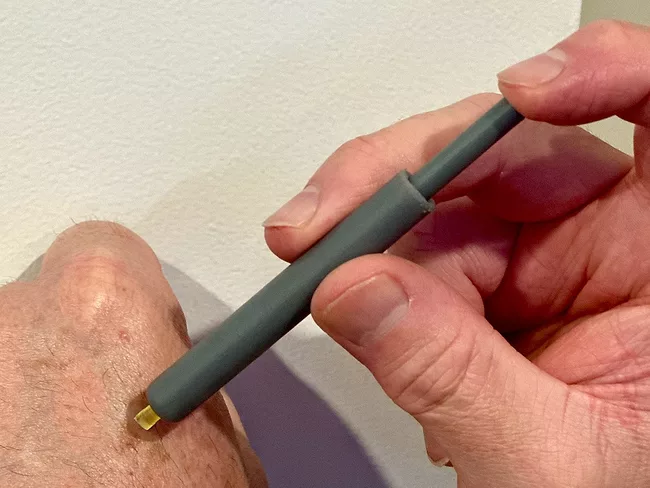
Skin biopsies could be a thing of the past thanks to the development of a new non-invasive microneedle patch to pre-screen for skin cancer. Dermr Health Solutions Pty Ltd. founder and CEO Stefan Mazy told BioWorld that the fledgling genomics startup company is pushing the boundaries of science with its Dermr patch that quickly and painlessly extracts live skin cells in 15 seconds, drastically cutting the time and discomfort associated with traditional biopsy procedures.
Researchers have identified a gene associated with whether patients hospitalized with respiratory viral infections recover rapidly or face life-threatening complications. The gene has the potential to be used as a diagnostic tool or biomarker, which could help triage patients suffering from severe respiratory infections. Having such a biomarker would help clinicians in their early risk assessments to manage their intervention strategies.
Seoul, South Korea-based Adel Inc. raised ₩17 billion (US$12.39 million) in bridge financing to advance its pipeline of Alzheimer’s disease therapies, including its tau antibody-based ADEL-Y01 candidate, currently in a U.S.-based phase I study.
In a post-pandemic world, South Korean molecular diagnostics firm Seegene Inc. is looking to ignite a new paradigm in the diagnostics business. Seoul-based Seegene is rolling out a new strategy of open innovation under its newfound initiative coined the “SG Onesystem,” which pledges to not only accelerate global partnerships for novel diagnostics but also “free the world of all disease.”
Researchers at ETH Zurich have identified a proteomic signature that could recognize long COVID six months after acute infection. Biologically, the signature indicated that the complement system remained active in patients with long COVID six months after infection. Translationally, it could lead to a diagnostic test for long COVID, and suggests that targeting the complement system could be a therapeutic approach to prevent or treat the disorder.
Eisai Co. Ltd. and Oita University in Oita Prefecture, Japan, developed a first-of-its-kind machine learning model to predict amyloid beta accumulation in the brain using a wristband sensor. The model, which collects biological and lifestyle data from daily life, is expected to enable screening for brain amyloid beta accumulation to identify those at risk for Alzheimer's disease, particularly because amyloid beta begins to accumulate in the brain about 20 years before the onset of the disease.
 RSS
RSS