The U.S. Department of Health and Human Services (HHS) has withdrawn its August 2020 rescission of the FDA’s authority to regulate lab-developed tests (LDTs), a reversal predicated on the need for additional testing capacity for the COVID-19 pandemic. However, the non-COVID implications are not clear as the FDA is not widely seen as having the capacity to regulate LDTs for non-pandemic purposes, while pending legislation would dramatically overhaul the agency’s approach to LDT regulation, making the current regulatory environment an unstable environment at best. The FDA accompanied the announcement with a statement that the emphasis at the agency is on tests that do not require that the patient sample be sent to a lab for processing.
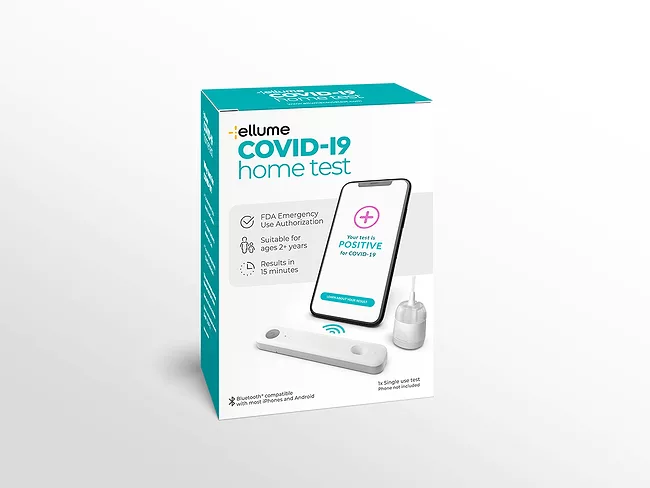
The FDA categorized the recall of more than 2.2 million Ellume Pty Ltd. COVID-19 Home Tests that began Oct. 5 as a class I recall, “the most serious type of recall.” While the agency has received significant criticism lately about ambiguity in recalls that often leaves consumers uncertain about their seriousness, the FDA eliminated all doubt on this one saying, “use of these tests may cause serious adverse health consequences or death.” The FDA said it received 35 reports of false positives associated with the antigen test. No deaths have been reported.
Shares of cardiac diagnostics company Heartbeam Inc. (NASDAQ:BEAT) are trading lower than expected after it opened on the Nasdaq on Nov. 11. The digital health company priced its public offering of 2,750,000 units at $6, but as of midday, shares were trading at $4.56. It’s a disappointing start for the Santa Clara, Calif.-based company, which is developing an ECG telemedicine technology to diagnose cardiovascular patients for ambulatory settings.
LONDON – Intensive monitoring of health care workers at two hospitals in London showed that despite having a blood biomarker of infection, 58 of them did not test positive for COVID-19 at any point, suggesting they may have been clearing subclinical infections before seroconversion.
PARIS – Royal Philips NV has signed a deal to acquire Cardiologs Technologies SAS and its artificial intelligence technology. The financial terms surrounding the transaction have not been disclosed. The two companies expect to close the deal in the coming months.
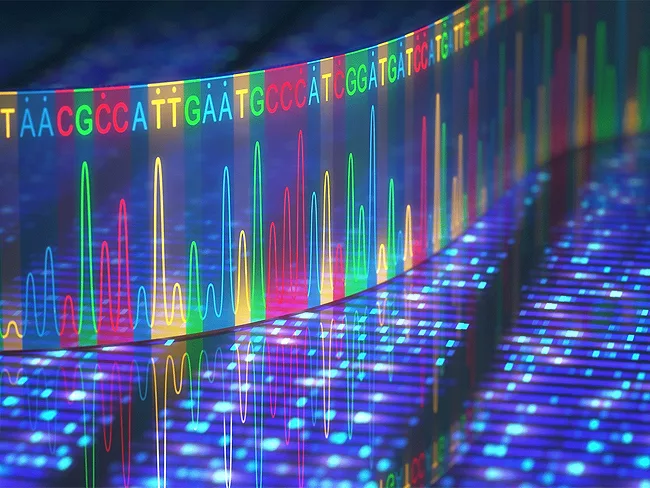
LONDON – A pilot study has shown that whole genome sequencing can pinpoint the genetic causes of rare diseases, even in people who had previously not been given a diagnosis after undergoing sequencing of their protein coding exome.
Ultrasound companies, Caption Health Inc. and Ultromics Ltd. are linking up to jointly offer Caption’s AI software platform with Ultromics’ Echogo deep ultrasound analytics for cardiovascular disease detection.
PARIS – The French National Agency for the Safety of Medicinal and Healthcare Products (ANSM), has published its latest annual report on the drugs and medical devices market in France. This body, placed under the supervision of the Ministry of Health, is responsible for monitoring all healthcare products throughout their cycle, for collating and analyzing reports of adverse reactions, and for implementing corrective action across the nation.
Color Health Inc. followed its rainbow to another pot of gold, collecting $100 million in a series E financing round led by Kindred Ventures and funds advised by T. Rowe Price Associates Inc. Returning funding round participants also included General Catalyst, the company’s long-time lead investor, Viking Global Investors and Emerson Collective. With the latest cash infusion, the company’s total funds raised to date reached $378 million and its valuation of $4.6 billion propelled it into the top dozen health care unicorns. Founded in 2017 as Color Genomics, the Burlingame, Calif.-based company has raised more than two-thirds of its total funding this year with today’s series E following the close of a $167 million series D round in January.
Geninus Inc. endured a difficult debut on Korea Exchange’s Kosdaq board, but still raised ₩40 billion (US$33.83 million) through its listing. The 2 million shares on offer tumbled 25.56% at ₩13,400 (US$11.33) at the close of trading on Nov. 8, after Geninus priced them at ₩20,000.
 RSS
RSS