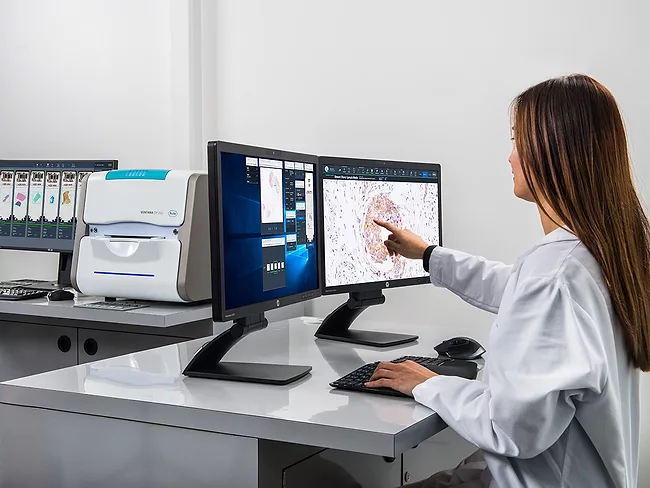
The U.S. FDA cleared Basel, Switzerland-based Roche Holding AG’s whole-slide imaging system, the Roche Digital Pathology Dx, for use as an aid in clinical diagnosis. The system helps pathologists review and interpret digital images of scanned pathology slides.
An interdisciplinary team of researchers from the University of Arkansas have filed for protection of an optical sensing platform and method for synovial fluid analysis to reduce diagnosis time leading to quicker results for doctors and patients. Their innovation allows for faster and non-destructive evaluation of biological samples.
Siemens Healthineers AG has received CE mark for a neurofilament light chain assay to help with the early diagnosis of multiple sclerosis and aid in predicting the risk of relapse in patients suffering from the disease. The test developed in collaboration with Novartis Pharma AG will be launched in Europe later this year.
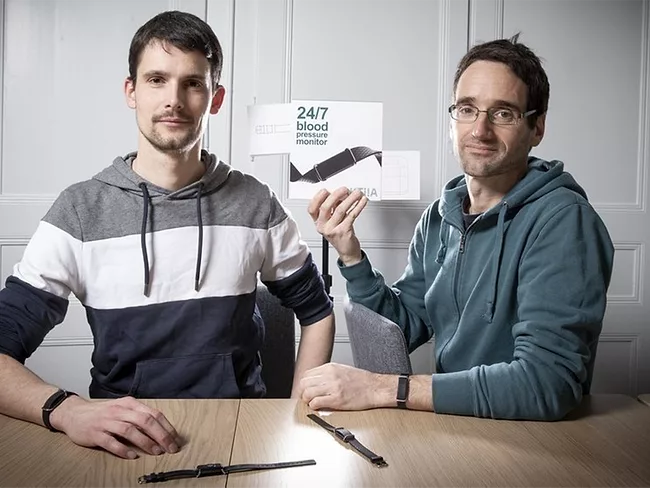
Aktiia SA recently received a CE mark for Calfree, its optical blood pressure monitoring technology that does not require calibration with a traditional cuff. The Calfree system can be integrated into a wide range of third-party devices, significantly improving hypertension management and as a result the quality of patients’ lives.
The granting of emergency use authorization by the U.S. FDA to Roche AG for its four-in-one molecular test for SARS-CoV-2, Influenza A/B viruses and respiratory syncytial virus will allow the company to quickly bring the test to near-patient care environments ahead of the flu season, to address a real need in the marketplace, Ian Parfrement, head of the point of care customer area, at Roche Diagnostics, told BioWorld.
Sherlock Biosciences Inc. is on the case of the missing tests – the lack of diagnostic testing for sexually transmitted infections, that is. Sherlock’s over-the-counter molecular, disposable tests combine CRISPR and synthetic biology chemistries to provide results in 30 minutes in the privacy of the user’s home.
London, Ontario-based Deep Breathe Inc. filed for protection of a wearable ultrasound sensor that is used to obtain ultrasound data, and digital ultrasound images are processed using a machine learning model to predict the probability of lung sliding and detection of pneumothorax (collapsed lung) if lung sliding is absent or deem it likely if lung sliding is present.
Researchers from the University of Chicago and Northwestern University have filed for protection of an mobile application to track individualized patient needs, engagement in continuous positive airway pressure machine use, and the correlation of risk behaviors to determine sleep apnea treatment progress.
Molecular diagnostics company Genetic Signatures Ltd. is gearing up to launch its Easyscreen gastrointestinal parasite detection kit in the U.S. following its first FDA 510(k) clearance.
The saga of Illumina Inc.’s attempt to reacquire Grail Inc., seems to have come to an end with a capitulation to market regulatory authorities, but Illumina has chosen to spin off Menlo Park, Calif,-based Grail rather than sell the company outright.
 RSS
RSS