Gleamer SAS reported closing a series B round of $29.6 million to help expand its portfolio of artificial intelligence (AI) systems for radiologists and ramp international expansion. The exercise was led by Supernova Invest SAS who put up $11 million, joined by Heal Capital SAS with $5.5 million.
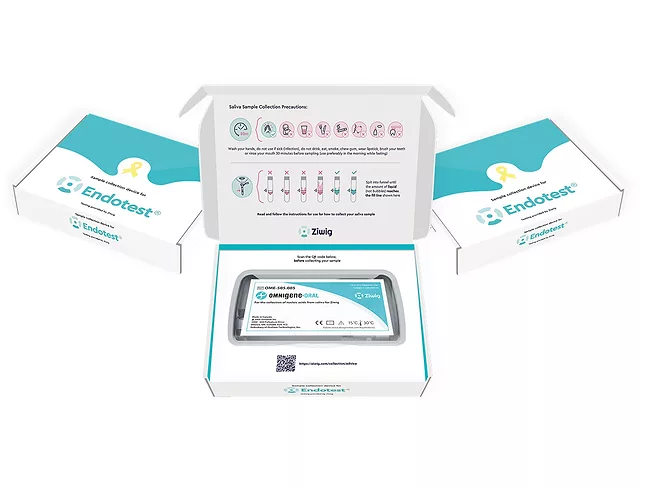
Difficulty in obtaining an accurate diagnosis and treatment for endometriosis leaves many women spitting mad, but they may soon find that saliva is the key to escaping the diagnostic maze. A recent study published in the New England Journal of Medicine validated the Endotest developed by Ziwig SAS based on results from a study involving 200 symptomatic patients monitored in five hospital units and specialized centers in France since November 2021. The findings demonstrateda sensitivity and specificity of more than 95%.
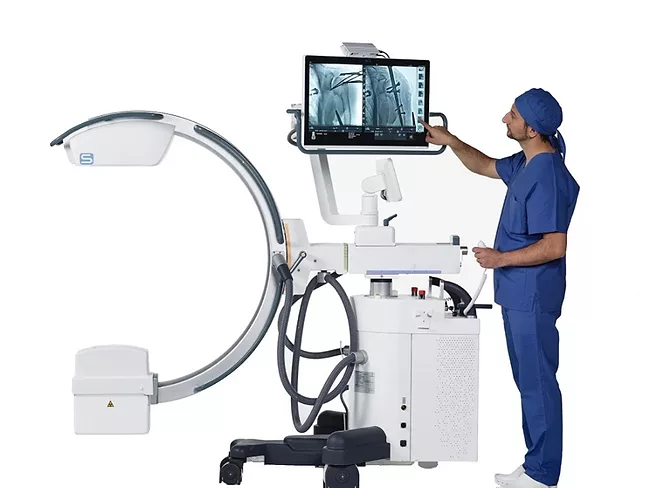
Stephanix SAS and Incepto Medical SAS reported signing a strategic partnership at the annual congress of the French association for female medical imaging (SIFEM) in Bordeaux. The companies are joining forces by way of a distribution agreement to improve the medical imaging available in France.
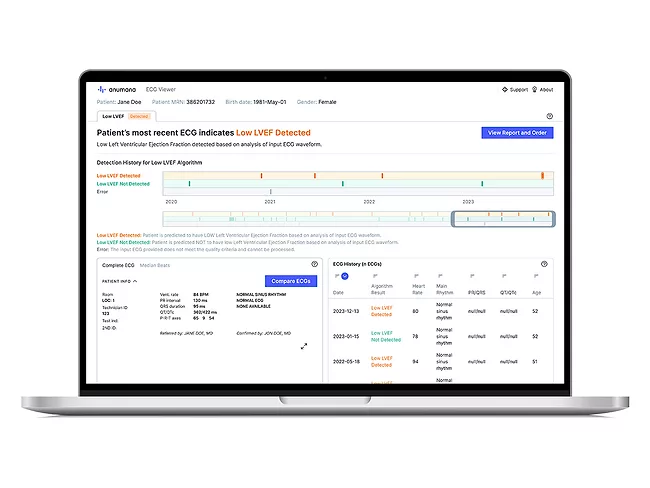
Anumana Inc. has garnered a U.S. FDA breakthrough device designation for its artificial intelligence (AI)-powered electrocardiogram-based algorithm for early identification of cardiac amyloidosis. The ECG-AI detection algorithm is the fourth from the company and its partners to notch breakthrough status.
Artificial intelligence (AI) faces a number of interesting hurdles in the EU, such as the still-developing Artificial Intelligence Act (AI Act), which seems destined to treat health care uses as high-risk propositions. Corinne Dive-Reclus, director of global lab insights at Roche Diagnostics, said there are possible solutions, such as overwriting the AI Act’s risk classifications with the risk category provided by existing regulations, but there is an open question as to whether a fix will be in place to prevent a potentially disastrous risk framework for AI in health care.
The U.S. FDA’s September 2022 guidance for clinical decision support (CDS) software was controversial the moment the agency posted the document, prompting the filing of a citizen’s petition five months later. The CDS Coalition has penned a June 8 letter to FDA commissioner Robert Califf in an effort to draw a reaction from the agency, but the letter was accompanied by a summary of an analysis of CDS software with a machine learning (ML) component that suggests that such products that are in development may have to be reconsidered.
Asep Medical Holdings Inc. reported “ground-breaking” use of artificial intelligence in its SepsetER test to rapidly identify infections at increased risk of severe sepsis. Developed under guidance by Professor Robert E.W. Hancock at the University of British Columbia, analysis of dysfunctional immune responses to identify particular sets of genes could signal when a patient is at risk of acquiring and potentially dying from severe sepsis.
GE Healthcare Technologies Inc. has launched Sonic DL, a deep learning technology designed to significantly accelerate magnetic resonance imaging (MRI) exams, after receiving regulatory clearance from the U.S. FDA.
As artificial intelligence becomes more central to clinical radiology workflows, Deepc GmbH will use the €12 million (US$13 million) it recently raised in its series A round to develop additional features within its Deepcos radiology artificial intelligence (AI) platform to allow for faster and more accurate diagnoses.
Genialis Inc. reeled in $13 million in a series A financing co-led by Taiwania Capital and Debiopharm Innovation Fund. The funds will be used to build out the company’s store of clinically validated biomarker models for individualized cancer diagnosis.

 RSS
RSS