PERTH, Australia – After unveiling its new regulatory framework for custom-made and 3D-printed devices, Australia’s Therapeutic Goods Administration (TGA) is now proposing further refinements due to pushbacks from stakeholder that manufacture custom-made and patient-matched devices.
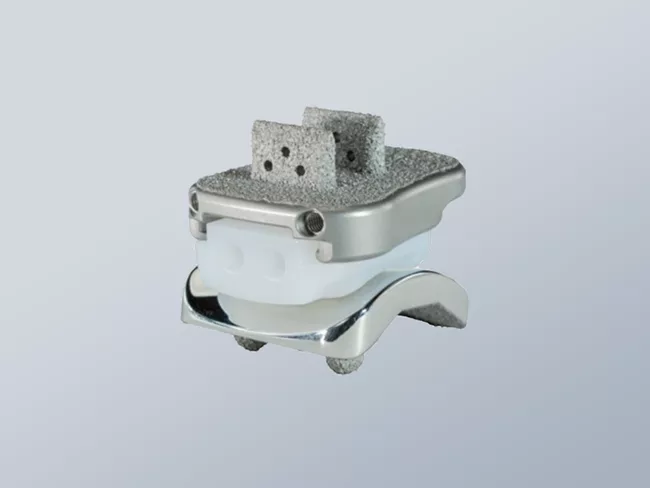
Restor3d Inc. added a new dimension to its offerings with its merger with Kinos Medical Inc. The combination will increase Restor3d’s presence in the foot and ankle repair and replacement market by adding the Kinos Axiom total ankle system to its portfolio of 3D-printed implants using biomedical materials in a variety of applications.
PARIS – Readily3d SA has been awarded just under $600k by the European Union to develop a living model of the pancreas using its Tomolite 3D bioprinting technique. The European program, Enlight, boasts a total budget of $4.4 million provided by the European Innovation Fund 2020.
PERTH, Australia – The launch of Australia’s first medical device development and manufacturing facility in Melbourne is set to fast-track new treatments for people with conditions such as epilepsy, Parkinson’s disease, hearing loss, stroke and diabetes.
Additive manufacturing, often referred to as 3D printing, has evolved considerably over the past few decades, and plays a significant role in the world of orthopedic devices. Despite numerous technological advances, additive manufacturing (AM) still accounts for a small share of the device market and may never overwhelm traditional manufacturing for the med-tech industry due to a number of limitations.
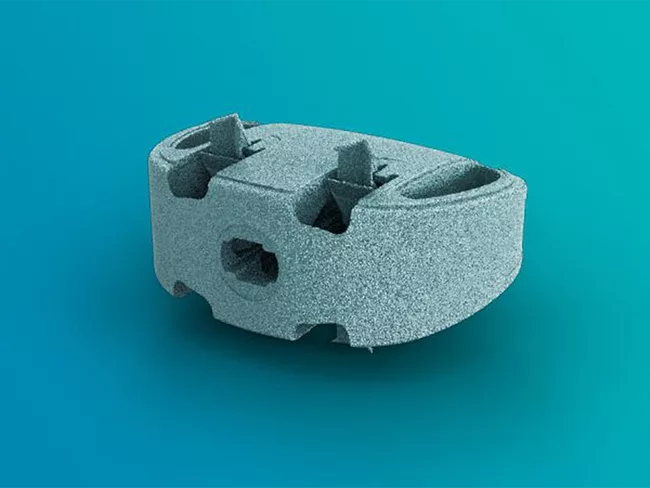
Blue Ocean Spine GmbH has won a major investment from SHS GmbH, also from Tuttlingen in Germany, to develop its next-generation functional spinal implant. The two companies are declining to disclose the size of the series A investment.
PARIS – Solvay SA is partnering with Printerprezz Inc. to develop 3D printing technology using Selective Laser Sintering (SLS) for implants and other medical devices.
PERTH, Australia – Australia’s Therapeutic Good Administration (TGA) has unveiled its final regulatory requirements for personalized medical devices, including 3D-printed devices, that go into effect on Feb. 25, 2021. Under the previous framework, custom-made medical devices were exempt from the requirement to be included in the Australian Register of Therapeutic Goods (ARTG).
Wellcome Leap has launched its first program, dedicating $50 million to help develop human tissues, organoids and full organs. The Human Organs, Physiology and Engineering (HOPE) program is looking to bring biologists and engineers together to develop both therapeutic organs as well as organs that can be used in vitro to help discover and develop new medications.
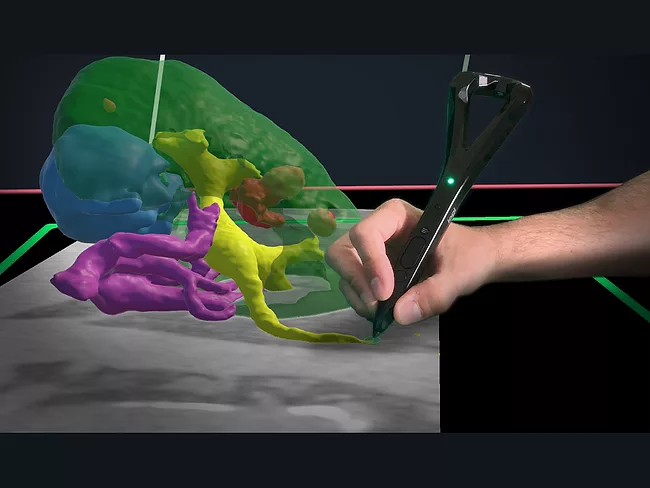
TORONTO – Virtual reality (VR) platform developer Realize Medical Inc. is collaborating with Lausanne, Switzerland’s Logitech International SA on what the Ottawa-based med tech calls “the world’s first VR platform for creating patient-specific 3D medical models.”
 RSS
RSS