Step aside, Marco Polo: Kakao Healthcare Corp. plans to bring PASTA to Japan. PASTA is Kakao's AI-based continuous glucose monitoring (CGM) management mobile application, which will be available in Japan through a new subsidiary as the health care company works to expand its global presence.
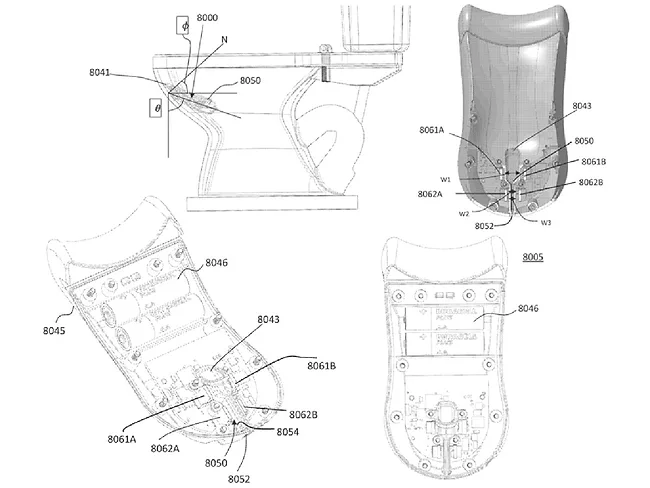
In what represents just the company’s third PCT filing, Houston-based Starling Medical Inc.’s co-founders, Hannah McKenney and William Hendricks, seek to gain further protection for their at-home urine diagnostic patient-monitoring platform that eliminates the traditional use of catching containers and dipsticks.
Royal Philips NV unveiled its Future Health Index report for 2025, and it reveals the widening trust gap between health care professionals and patients concerning the adoption of AI in health care.
April may not have brought rain to med-tech, but tariffs and financial uncertainty certainly dampened the enthusiasm for IPOs. With those clouds lifting, three companies – Hinge Health Inc., Capsovision Inc., and Omada Health Inc. – appear ready to flower in May, potentially a harbinger of a return to the brisk pace for med-tech IPOs seen in the opening weeks of 2025 when eight companies raised nearly $1 billion.
The U.K. National Institute for Health and Care Excellence (NICE) endorsed the use of the Orbit system by Mindtech Ltd. as a treatment for tics and Tourette syndrome.
April data and first quarter earnings reports show remarkable resilience in med tech, even as other sectors continue to suffer in response to tariffs and changing regulations. Not that tariffs proved insignificant: several companies reported annualized impacts north of half a billion dollars, but fundamentals and increased interest in med tech as a haven gave most players sufficient breathing room to absorb the impact with minimal adjustments.
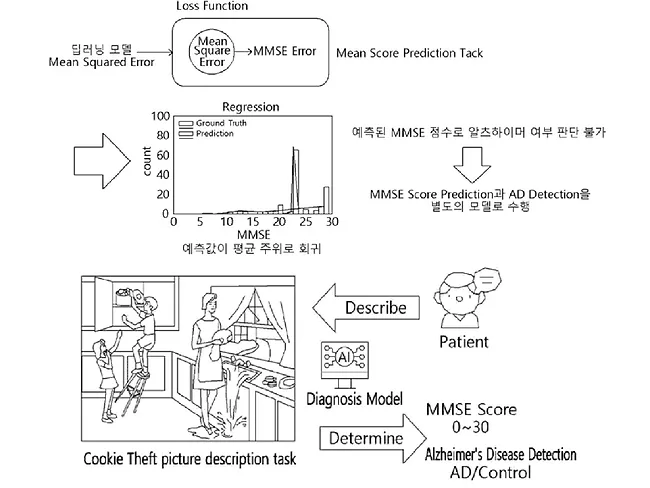
Seoul, South Korea-based Voinosis Co. Ltd. filed for potential worldwide protection of its AI-based system that allows for the early detection cognitive impairment, dementia, Alzheimer’s disease and hearing loss through voice analysis.
The Advanced Medical Technology Association released a policy proposal for AI in medical devices that took the U.S, FDA to task for its guidance for predetermined change control protocols for AI, stating that the guidance is “inconsistent with the statutory authority” for PCCPs.
The U.S. FDA’s January 2025 draft guidance for AI-enabled device software functions has not fared well in terms of industry response. Two major trade associations argue that the draft is at least somewhat redundant with existing agency guidance.
Radnet Inc. expanded its commitment to the use of AI in improving diagnosis of breast cancer with an all-stock purchase of Icad Inc. for approximately $103 million. The transaction is expected to close in the second or third quarter of 2025.
 RSS
RSS