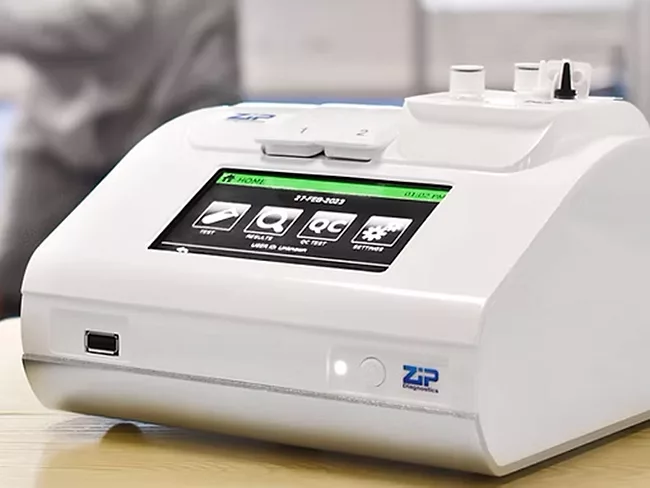
Zip Diagnostics Pty Ltd., Menzies School of Health Research and Axxin Pty Ltd., a Melbourne, Australia-based
diagnostic instrumentation manufacturer, partnered to develop a rapid diagnostic test for scabies, a skin parasite that affects more than 200 million people each year.
Royal Philips NV unveiled its Future Health Index report for 2025, and it reveals the widening trust gap between health care professionals and patients concerning the adoption of AI in health care.
The long-term status of the trade dispute with China remains unclear, but a 90-day reduction in stratospheric tariffs imposed by the U.S. and China on their respective products provides breathing room for the med-tech companies predicting the hardest hit from the original levels.
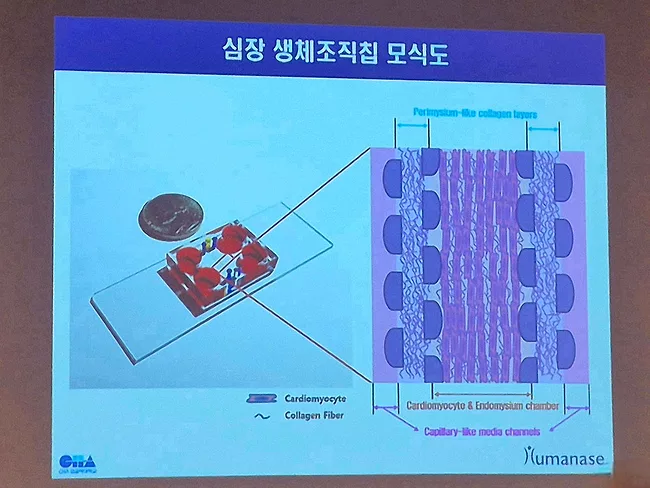
The U.S. FDA’s decision to phase out animal testing for INDs is driving a new market of alternative, nonanimal testing technologies like organoids and organs-on-a-chip, speakers at Bio Korea 2025 said.
The promise of mesenchymal stem cells (MSCs) to heal heart disease could be around the corner thanks to a new delivery method tested by regenerative medicine company Cynata Therapeutics Ltd.
Oncosil Medical Ltd.’s brachytherapy device outperformed stereotactic body radiation therapy plus chemotherapy in patients with unresectable or borderline-resectable locally advanced pancreatic cancer, according to a comparative analysis.
Echoing President Donald Trump’s justification for reciprocal tariffs, the U.S. Trade Representative’s annual Special 301 Report is a bit more aggressive in tone this year as it calls out trading partners that don't adequately enforce intellectual property rights or that otherwise discriminate against products from foreign companies.
Australian biopharma stakeholders welcomed the reelection of Prime Minister Anthony Albanese, who promised to expand Medicare and to invest more in Australian research.
Echoing President Donald Trump’s justification for reciprocal tariffs, the U.S. Trade Representative’s annual Special 301 Report is a bit more aggressive in tone this year as it calls out trading partners that don't adequately enforce intellectual property rights or that otherwise discriminate against products from foreign companies.
Med tech companies were reminded that there are opportunities in emerging and growing markets as they look for ways to adapt to the uncertainties created by the U.S. administration threats of import tariffs. With large populations, and relatively untapped markets, these opportunities represent new destinations for the med tech products. However, the U.S. cannot easily be replaced and there will be challenges in these markets, delegates heard at the LSX World Congress, in London.
 RSS
RSS