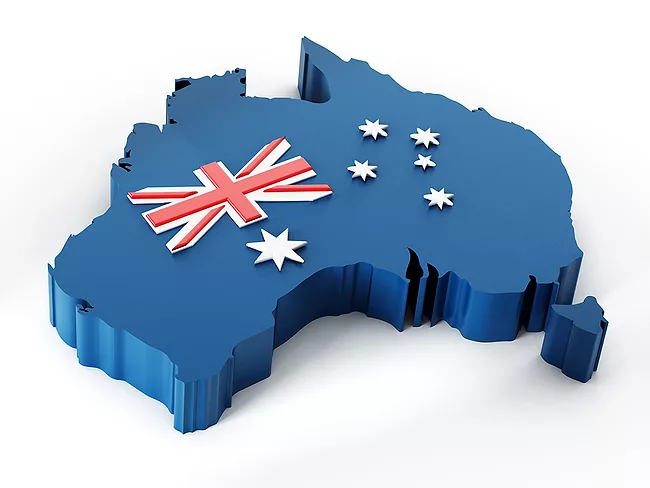
Australian biopharma stakeholders welcomed the reelection of Prime Minister Anthony Albanese, who promised to expand Medicare and to invest more in Australian research.
Echoing President Donald Trump’s justification for reciprocal tariffs, the U.S. Trade Representative’s annual Special 301 Report is a bit more aggressive in tone this year as it calls out trading partners that don't adequately enforce intellectual property rights or that otherwise discriminate against products from foreign companies.
Med tech companies were reminded that there are opportunities in emerging and growing markets as they look for ways to adapt to the uncertainties created by the U.S. administration threats of import tariffs. With large populations, and relatively untapped markets, these opportunities represent new destinations for the med tech products. However, the U.S. cannot easily be replaced and there will be challenges in these markets, delegates heard at the LSX World Congress, in London.
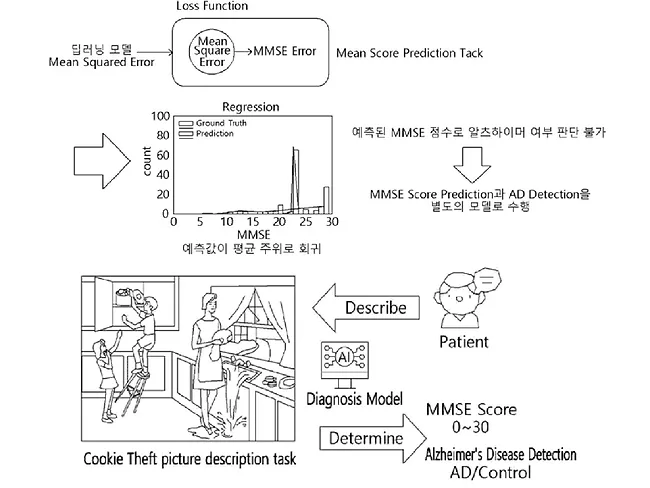
Seoul, South Korea-based Voinosis Co. Ltd. filed for potential worldwide protection of its AI-based system that allows for the early detection cognitive impairment, dementia, Alzheimer’s disease and hearing loss through voice analysis.
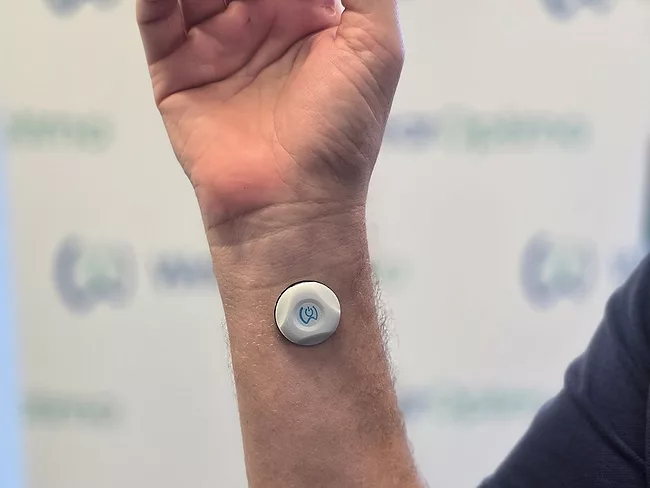
Health care technology company Wearoptimo Ltd. developed a next-generation microwearable sensor that accurately detects hydration levels, outperforming the needle-based gold standard.
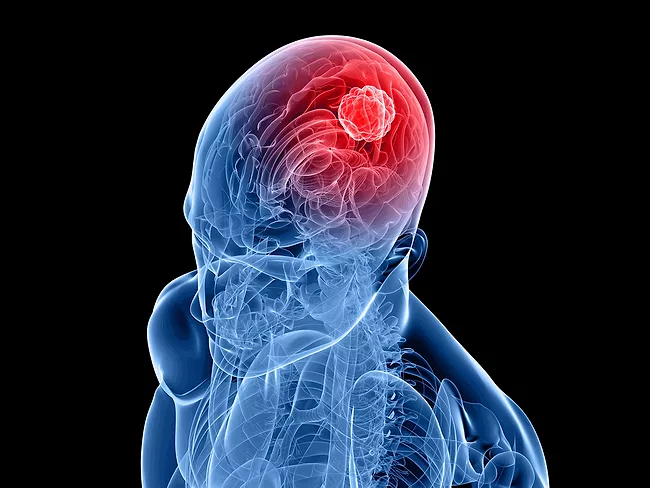
The U.S. FDA issued a complete response letter (CRL) to Telix Pharmaceuticals Ltd. for its NDA for glioma imaging agent, TLX-101-CDx (floretyrosine F18 or 18F-FET, Pixclara), citing the need for additional confirmatory clinical evidence.
First quarter earnings reports from Edwards Lifesciences Corp., Intuitive Surgical Inc. and Boston Scientific Corp. support trends seen earlier: Larger med-tech companies expect substantial tariff hits, but also have confidence that they can absorb the impact with fairly minor adjustments.
Sky Labs Inc. CEO and founder Jack Byunghwan Lee reported on plans to greatly expand the market for the company’s blood pressure monitor ring, including seeking regulatory approvals for the CART BP products in the U.S., Europe and Japan.
Telix Pharmaceuticals Ltd.’s glioblastoma theranostic, TLX-101, is showing promising overall survival in a phase II trial in recurrent high-grade glioma. The targeted radiation therapy, combined with external beam radiation therapy, demonstrated a median overall survival of 12.4 months from treatment initiation and 32.2 months from initial diagnosis. The results significantly outperform the 9.9-month median survival typically observed with radiation therapy alone in recurrent glioblastoma patients.
 RSS
RSS