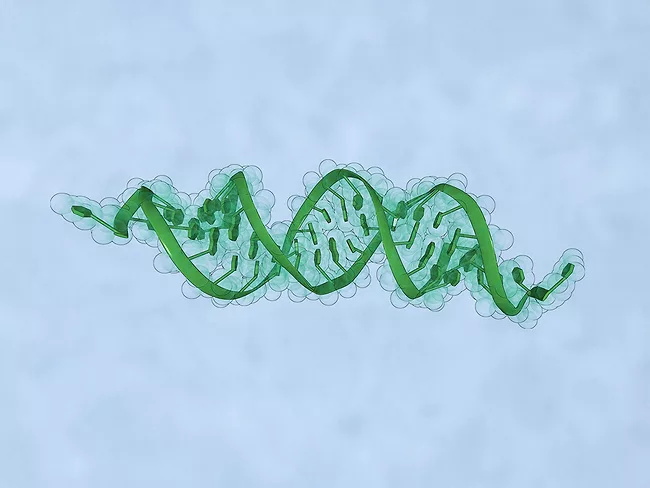
Rznomics Inc. scored a potential ₩1.9 trillion (US$1.35 billion) global license option agreement with Eli Lilly and Co. to codevelop a novel RNA editing gene therapy to treat hereditary hearing loss.
Hengrui Pharmaceuticals Co. Ltd. announced a global offering on the Hong Kong Stock Exchange to raise up to $1.27 billion to advance its growing pipeline focused on oncology, metabolic and cardiovascular diseases, immunological and respiratory diseases, and neuroscience.
China’s Pegbio Co. Ltd. launched its IPO on the Hong Kong stock exchange May 19, to raise up to HK$300.82 million (US$38.4 million) to advance visepegenatide (PB-119), its glucagon-like peptide 1 (GLP-1) receptor agonist.
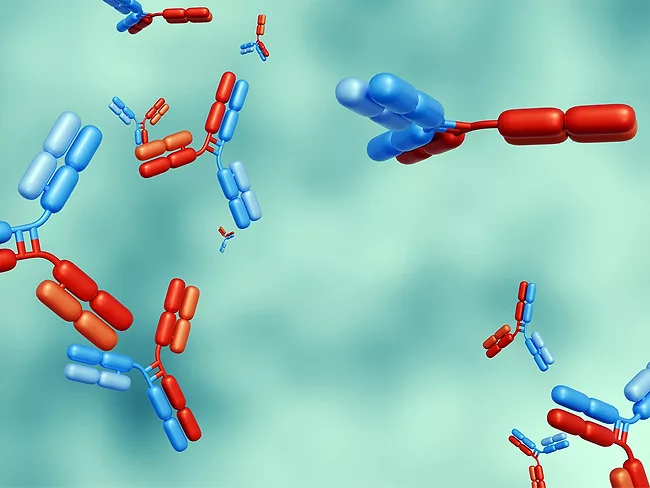
Pfizer Inc. is paying $1.25 billion up front and up to $4.8 billion in milestone payments to gain global, ex-China rights to SSGJ-707, a PD-1/VEGF bispecific antibody from 3Sbio Inc. that recently won China clearance for a phase III study in lung cancer as a potential first-line monotherapy. Announced after U.S. market hours May 19, the exclusive agreement for SSGJ-707 spells up to $6.15 billion combined for Shenyang, China-based 3Sbio, along with separate tiered double-digit royalty payments on sales of SSGJ-707, if approved.
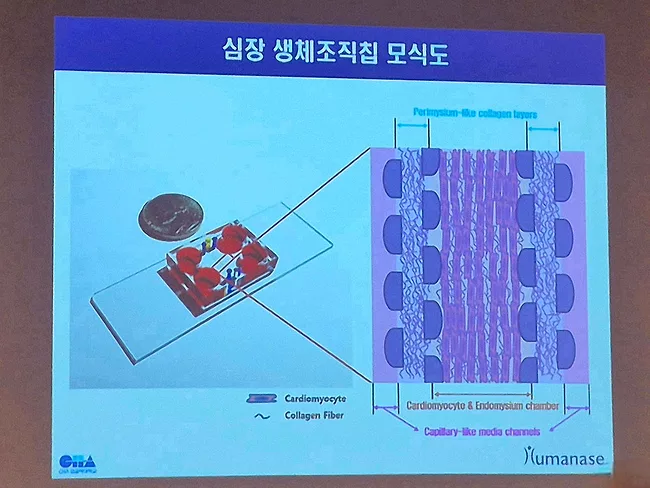
The U.S. FDA’s decision to phase out animal testing for INDs is driving a new market of alternative, nonanimal testing technologies like organoids and organs-on-a-chip, speakers at Bio Korea 2025 said.
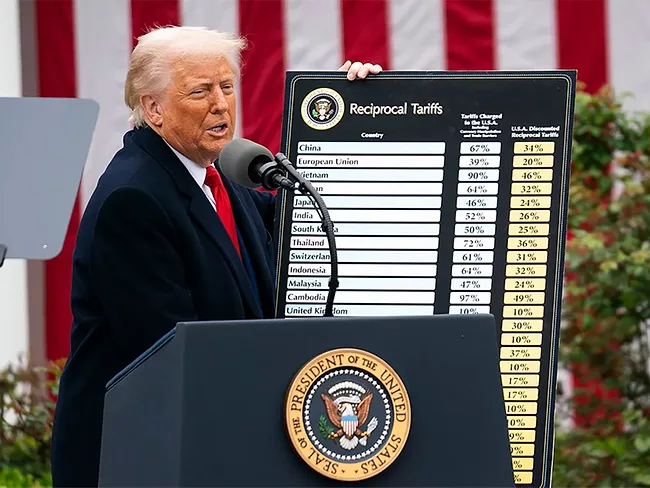
South Korean government and biopharmaceutical industry representatives urged American policymakers May 7 to refrain from imposing tariffs on pharmaceutical imports, and to spare allies if pharma tariffs are deemed necessary. Both Korea’s Ministry of Health and Welfare on May 4 and the Korea Biotechnology Industry Organization on May 6 submitted comments to the U.S. Department of Commerce in response to its ongoing investigation of pharmaceutical imports.
Minghui Pharmaceutical Ltd. is out-licensing its antibody-drug conjugate (ADC) MHB-088C to Qilu Pharmaceutical Co. Ltd. for China rights for up to ¥1.345 billion (US$186.44 million). Under terms of the deal, Qilu gains rights to develop and manufacture the ADC in greater China, including mainland China, Hong Kong, Macau, and Taiwan.
Sirius Therapeutics Inc. raised nearly $50 million in a series B2 financing round May 9 to support its pipeline of small interfering RNA (siRNA) molecules for cardiovascular disease indications. SRSD-107, a long-acting Factor XI anticoagulant for thromboembolic disorders, is its lead candidate waiting on EMA clearance to begin a phase II study in Europe.
The promise of mesenchymal stem cells (MSCs) to heal heart disease could be around the corner thanks to a new delivery method tested by regenerative medicine company Cynata Therapeutics Ltd.
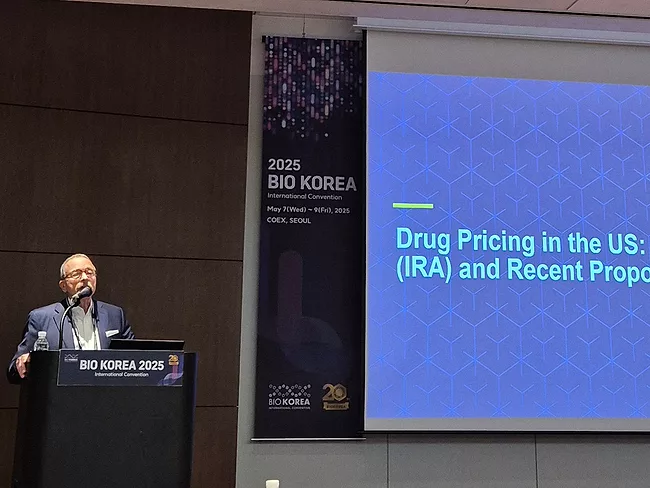
Ongoing policy issues in the U.S., including the Inflation Reduction Act and recent proposals under President Donald Trump’s administration, have wide ranging implications for the global biopharmaceutical industry, speakers at Bio Korea 2025 said May 8, including a heightened need for all biotechs to draft regulatory strategies.
 RSS
RSS