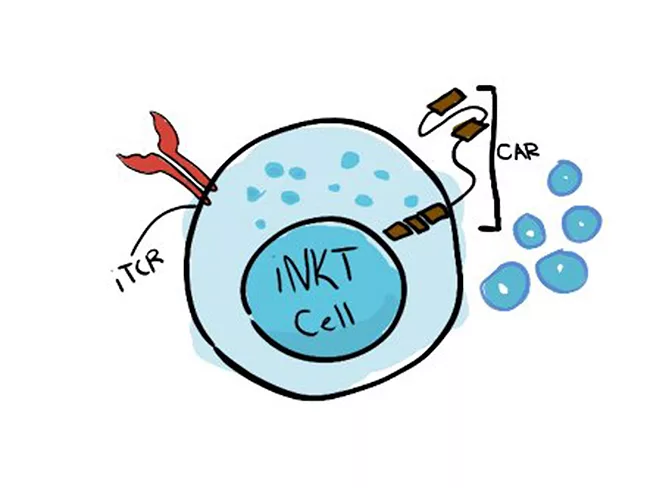
Arovella Therapeutics Ltd. is heading toward the clinic with its lead product, ALA-101, which consists of a chimeric antigen receptor (CAR) targeting CD19 and invariant natural killer T (iNKT) cells.
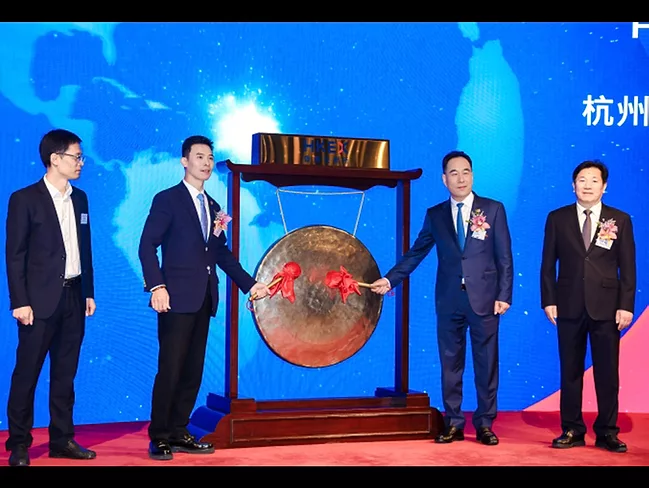
Hangzhou Jiuyuan Gene Engineering Co. Ltd. raised HKD$485.4 million (US$62.38 million) in a November 28 IPO on the main board of the Hong Kong Stock Exchange (HKEX:2566).
Radiopharmaceutical company Telix Pharmaceuticals Ltd. has inked a deal worth up to AU$264 million (US$171 million) to license and develop next-generation radiopharma imaging and therapy technology targeting fibroblast activation proteins found in a wide range of cancers.
Zai Lab and Pfizer Inc. are teaming up in China to fight the deadly carbapenem-resistant Acinetobacter baumannii (CRAB) infection with novel antibacterial drug Xacduro (sulbactam-durlobactam). Through the collaboration, Zai Lab will leverage Pfizer’s commercial infrastructure in the anti-infective space to widen access to Xacduro in mainland China. Terms of the deal were not released.
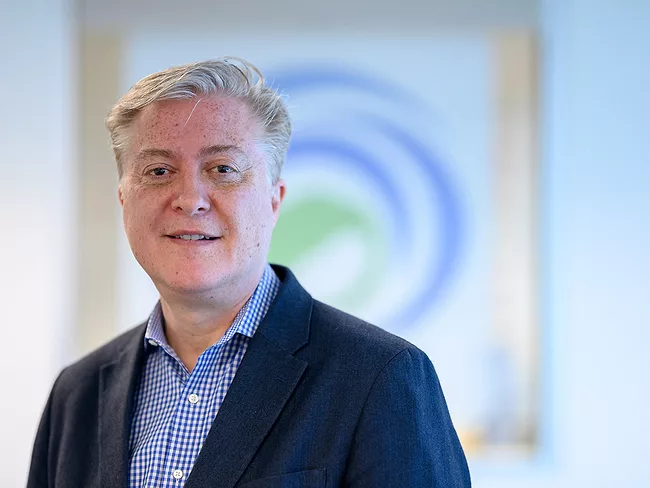
When it comes to cell therapy, Alloplex Biotherapeutics Inc. CEO Frank Borriello said he believes that autologous, personalized therapy is the only thing that makes sense. “The allure of an off-the-shelf therapy has been such a magnet. It sucked in a lot of companies into that dream, and I'm sorry to say, it hasn't really worked out for them,” he told BioWorld. Instead, Borriello said he envisioned a cell training platform that doesn’t just tweak a single immune pathway but instead harnesses multiple immune pathways to turn the tables on cancer.
China’s drug regulator approved Alpha Biopharma Ltd.’s EGFR tyrosine kinase inhibitor (TKI), Zorifer (zorifertinib hydrochloride tablets; AZD-3759), as a first-line treatment for EGFR-mutated non-small-cell lung cancer (NSCLC) with brain metastases.
The Ministry of Food and Drug Safety (MFDS) approved South Korea’s first denosumab (Prolia/Xgeva) biosimilars, developed by Celltrion Inc. under the brand names of Stoboclo/Osenvelt (CT-P41) for respective indications, a move the company hopes will help secure first-mover advantage for the drugs, currently under review in the U.S. and Europe.
Vitalli Bio Inc. terminated a potential $477 million licensing deal for autoimmune disease drug, DWP-213388, signed a year ago with Daewoong Pharmaceutical Co. Ltd., although Vitalli still retains option rights to two more dual inhibitor candidates that could fetch up to $941 million.
Keymed Biosciences Co. Ltd. is out-licensing global rights, excluding China, for its bispecific antibody, CM-336, to Platina Medicines Ltd. in a deal worth up to $626 million plus sales royalties.
Merck & Co. Inc. has in-licensed Lanova Medicines Ltd.’s PD-1/VEGF bispecific antibody LM-299 in a deal worth up to $2.7 billion in a move to bolster its Keytruda (pembrolizumab) fortress. Under terms of the deal, Merck (known as MSD outside the U.S.) gains an exclusive global license to develop, manufacture and commercialize LM-299 in exchange for an up-front payment of $588 million. Shanghai-based Lanova is eligible to receive up to $2.7 billion in milestone payments associated with the technology transfer, development, regulatory approval and commercialization of LM-299 across multiple indications.
 RSS
RSS