A world-first pediatric mRNA cancer vaccine trial is launching in Australia that could open new possibilities for children with aggressive brain tumors.
A project that started as a bioreactor to assist astronauts in deep space to keep medications safe in a microgravity environment could help pharma companies model how drugs behave in the human body.
Harbour Biomed is spinning out newco Solstice Oncology and is outlicensing its CTLA-4 antibody, porustobart (HBM-4003), to the newco in a cash and equity deal worth more than $1.2 billion.
Swiss pharmaceutical giant Novartis AG is selling off its India-listed business unit, Novartis India Ltd. (NIL), to a private equity-led consortium for about ₹14.46 billion (US$159.3 million) as it seeks to grow with “pure-play innovation.”
U.S. FDA approvals began 2026 at a slower pace than usual, with eight approvals recorded in January. The total falls below the 2025 monthly average of about 19 approvals and trails every month last year, which ranged from 12 to 27 approvals.
Japan is backing conditional approvals of Amchepry (raguneprocel, Sumitomo Pharma Co. Ltd./Racthera Co. Ltd.) and Reheart (Cuorips Inc.), positioning them to become the world’s first induced pluripotent stem cell-derived (iPSC) therapies to receive regulatory clearance.
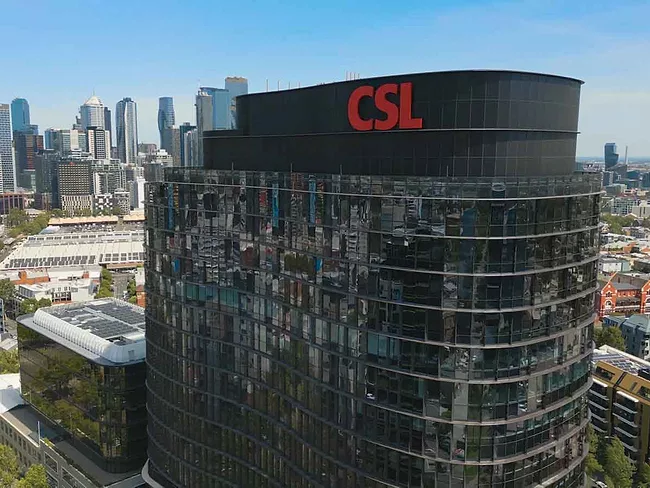
CSL Ltd. is out-licensing its interleukin-6 (IL-6) monoclonal antibody, clazakizumab, to Eli Lilly and Co. in a deal that brings CSL $100 million in up-front fees. A CSL spokesperson told BioWorld the deal includes undisclosed milestone payments and sales-based royalties. CSL will retain rights to develop and commercialize clazakizumab for prevention of cardiovascular events in patients with end-stage kidney disease, while Lilly will explore the MAb in all other indications.
Gilead Sciences is stepping deeper into synthetic lethality, licensing a clinic-ready MAT2A (methionine adenosyltransferase 2a) inhibitor from Suzhou, China-based Genhouse Bio Co. Ltd. in a deal worth up to $1.53 billion.
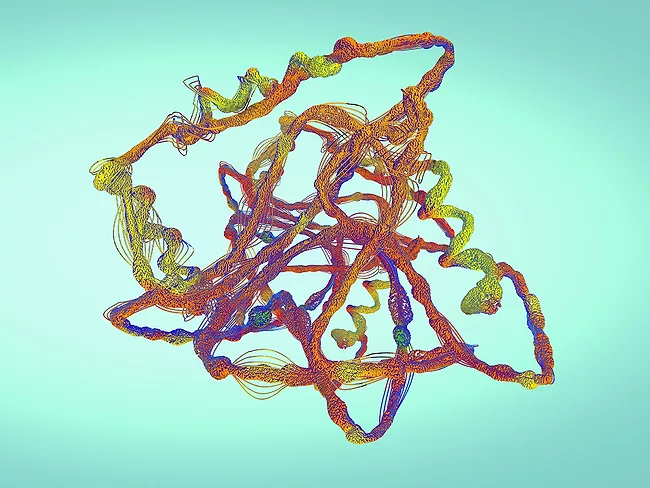
A project that started as a bioreactor to assist astronauts in deep space to keep medications safe in a microgravity environment could help pharma companies model how drugs behave in the human body. Omnigeniq unveiled at the J.P. Morgan Healthcare conference the first computer model of a human protein as it exists in the body, confirming that native protein topology can be calculated directly from physics.
 RSS
RSS