Balt Group SAS recently secured €355 million (US$365 million) in funding to refinance its debt, invest in research and accelerate its growth. The French-based provider of interventional neuroradiology devices is looking to speed up the expansion of its global footprint, especially in the U.S.
Regulatory overhauls are never a simple affair, but the med tech industry ran into an amorphous, ennui-inducing mess in dealing with the EU Medical Device Regulation almost immediately. Even though the underlying legislation passed in 2017, the MDR impasse continued to impede innovation on the continent – a problem that might be only partly resolved in 2025.
The U.K. government will unveil its 10-year health plan to transform the national health service (NHS) in the coming months. At the center of this transformation is expected to be the adoption of artificial intelligence, digital and medical technologies. However, challenges in the NHS around its ‘core technology’, data capture and interoperability must be addressed before the government’s ambition can be realized.
An artificial intelligence-based tool developed by researchers in the U.K. is helping doctors identify people at risk of developing atrial fibrillation. Data from the ongoing Find-AF pilot study shows that the algorithm can comb through patients’ electronic health records and detect red flags which could indicate whether they are at risk of developing the heart condition.
Artificial intelligence (AI) is no novelty for medical technology, but 2024 saw an interesting series of events in this area from across the globe. While some of these developments portend immediate regulatory clarity, some are harbingers of continued regulatory flux in 2025 and beyond.
When every hour’s delay in treatment increases the risk of death 8%, dialing down time to diagnosis takes on acute urgency for clinicians and regulators. When the disease being treated kills 20% of the global population and 33% of hospitalized patients in the U.S., the market opportunity attracts investors. And when the technology makes breakthroughs possible that cut the time to targeted treatment from days to hours or even minutes, the number of products in development explodes, as the keen competition in sepsis diagnostics covered by BioWorld in 2024 demonstrates.
Companies developing brain-computer interface (BCI) technologies certainly stepped up their activities this year with several starting to implant their devices into humans. After decades as an experimental technology pursued exclusively in research settings, BCI devices could be just a few years away from entering clinical practice – and investors are paying attention.
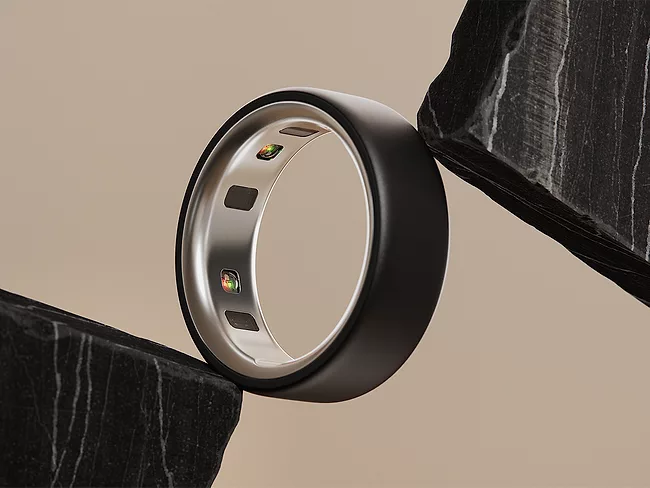
Dexcom Inc. put real money behind expanding its integration efforts, with a $75 million investment in the $200 million series D for Ōura Health Oy, the maker of the Ōura smart ring. Ōura and Dexcom also provided details on a strategic partnership that integrates data from Dexcom’s continuous glucose monitors with vital sign, sleep, stress, heart health and activity data from the Ōura ring.
Lanua Medical Ltd. raised €6 million (US$6.3 million) in seed funding for its Encore device, which is designed to enhance embolization procedures. The funds will be used to accelerate the development of the technology as well as expand operations into the U.S. The funding round was co-led by Elkstone and Atlantic Bridge, with participation from Enterprise Ireland and Furthr VC.
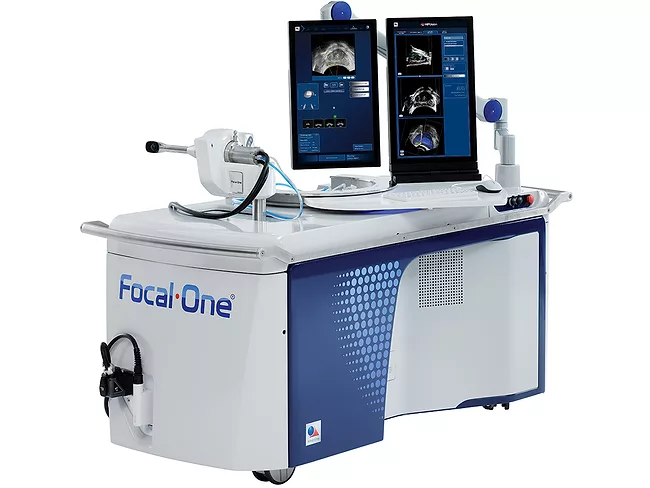
Edap TMS SA recently published data showing that its Focal One high intensity focused ultrasound technology is non-inferior to radical prostatectomy as a first-line treatment for localized prostate cancer. The company is also working towards gaining approval for the technology as a therapy for endometriosis.
 RSS
RSS