Chronic pain is taking a significant toll on the mental health and wellbeing of young people across Europe, according to a survey commissioned by Boston Scientific Corp. Among 16 to 24-year-olds, over half feel anxiety multiple times a week due to their chronic pain and almost one in three said that they “feel like they can’t go on” because of their pain.
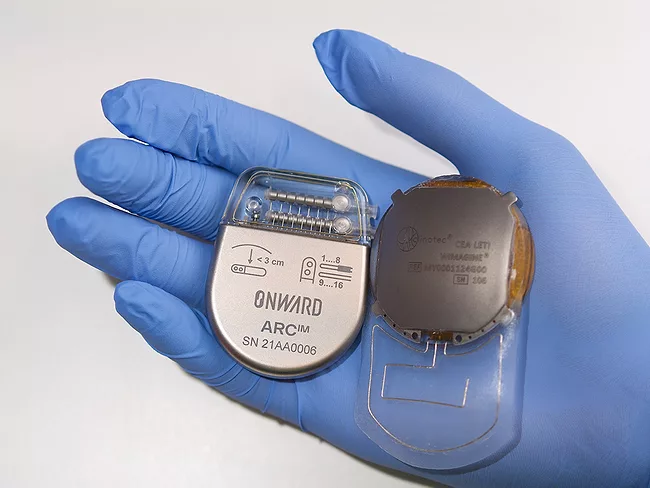
Onward Medical NV successfully implanted its Arc-BCI system, which restores direct communication from the brain to the spinal cord enabling lower limb mobility, into a third patient.
Creo Medical Group plc entered into an agreement to sell a 51% stake in its European consumable business to Chinese medical device distributor, Micro-Tech Co. Ltd. for approximately €36.7 million (US$41 million) in cash on a cash free, debt free basis.
As med-tech startups look to raise capital without diluting the valuation of their company, many may look to sell distribution rights in certain geographies to interested companies.
Strategics tend to invest in med-tech companies they are looking to acquire or could be acquired. Furthermore, companies like Medtronic plc and Royal Philips NV, which have venture arms, will continue to invest even through challenging times.
This is a very exciting time for med-tech in Europe despite companies facing regulatory and funding challenges, Todd Brinton, corporate vice president, advanced technology, and chief scientific officer at Edwards Lifesciences Corp. told BioWorld.
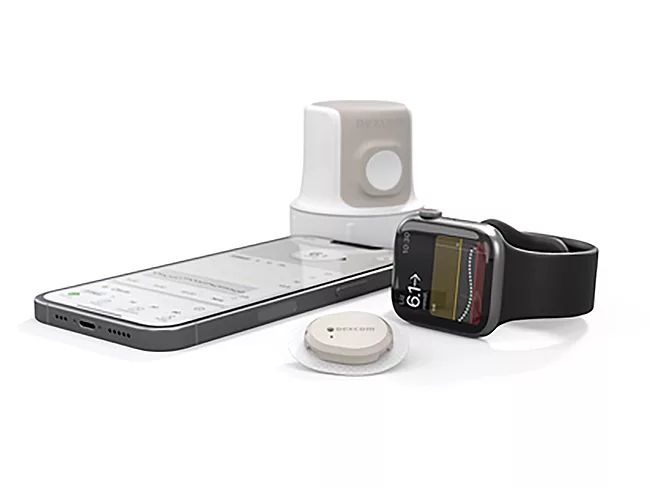
Dexcom Inc. revealed data from several studies showing significant benefits of its continuous glucose monitoring technology on adults with type 2 diabetes who are not treated with insulin. In one study, 100% of these users made dietary changes after starting to use Dexcom CGM, with 91% feeling empowered to manage their condition and 27% improving medication adherence after six months.
Data from the Drai Martini study shows that artificial intelligence is shaking up the analysis of electrocardiograms. Results presented at the recent ESC Congress 2024, demonstrated that an AI algorithm, Deeprhythmai, developed by Medicalgorithmics Sp zo.o., has significantly higher sensitivity than human specialists in detecting heart rhythm disorders on long ECG recordings.
The European Medicines Agency advised its member state regulatory partners to closely track how they use LLMs in making regulatory decisions – a clear signal that some regulatory decisions may be inappropriately torqued by their well-known shortcomings.
 RSS
RSS