There is no evidence to support the differences in prices that the U.K.’s national health service (NHS) is paying for transcatheter heart valves from Abbott Laboratories, Boston Scientific Corp., Edwards Lifesciences Corp. and Medtronic plc, according to the National Institute for Health and Care Excellence.
Molecular Health GmbH believes that the integration of all the different types of data currently used to aid in the analysis of health conditions will be essential to the future of diagnostics.
Ondine Biomedical Inc.’s Steriwave light-activated antimicrobial technology will be used in a pilot program at Leeds Teaching Hospitals NHS Trust in the U.K. to help fight infections in patients undergoing skull base sinus surgery. The Steriwave technology offers a quick nasal decolonization treatment that reduces the need for antibiotics and the risk of postoperative infections.
The European Medicines Agency seems focused on pharmaceuticals to the near exclusion of medical technology, but the agency recently reported the launch of a pilot program for orphan medical devices.
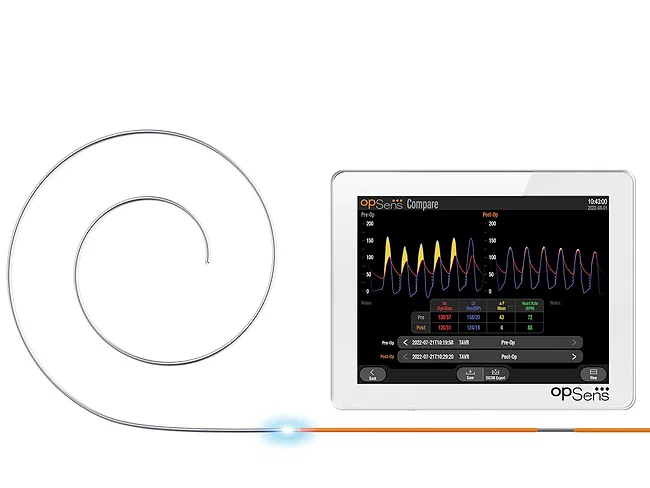
Haemonetics Corp. received CE mark certification for the Savvywire pre-shaped pressure guidewire, a sensor-guided three-in-one guidewire for transcatheter aortic valve implantation. The solution, which is expected to enhance TAVI procedures and improve patient outcomes, is already being used in procedures in European countries.
Immunovia AB significantly increased the accuracy of its test for the early detection of pancreatic cancer, achieving an 85% sensitivity and a specificity of 98%.
The recent €15 million (US$16.3 million) deal that Affluent Medical SAS signed with Edwards Lifesciences Inc. for its heart products does not take away from its ambitions of creating a European med-tech company, Sébastien Ladet, CEO of Affluent Medical, told BioWorld, but was part of the company’s broader strategy to expand the markets for its products.
The U.K. National Institute for Health and Care Excellence endorsed the use of testing for the CYP2C19 genotype for management of clopidogrel usage after ischemic stroke and heart attack, but the agency is specific about the use of tests by Genedrive plc and Genomadix Inc. in point-of-care settings as alternatives to lab testing.
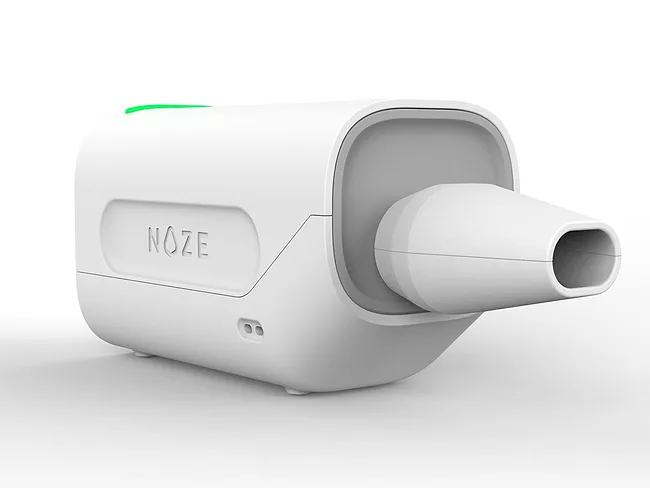
Noze Inc. breathes a little easier with a new $5 million equity investment from the Bill & Melinda Gates Foundation to support the development of Diagnoze, a breath-based, hand-held diagnostic device. The foundation provided two earlier grants focused on diagnosing tuberculosis in low- and middle-income countries. “We're thrilled to see our partnership with the Bill & Melinda Gates Foundation continue to grow,” Noze CEO Karim Aly told BioWorld.
 RSS
RSS