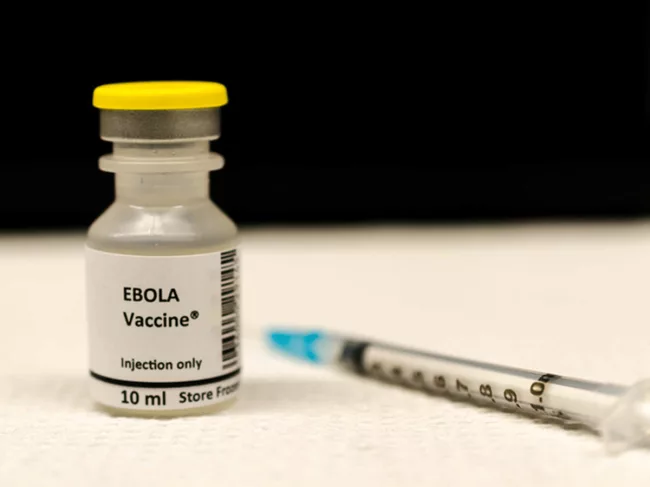
The University of Oxford has begun recruiting for a phase I Ebola vaccine trial, with the first vaccinations based around the same technology as the university’s COVID-19 vaccine.
Given the negative response to a proposed amendment allowing the price of NHS-dispensed drugs to be listed on labeling, the U.K.’s Medicines and Healthcare Products Regulatory Agency (MHRA) has decided not to go forward with the policy, it announced Nov. 11.
LONDON – Intensive monitoring of health care workers at two hospitals in London showed that despite having a blood biomarker of infection, 58 of them did not test positive for COVID-19 at any point, suggesting they may have been clearing subclinical infections before seroconversion.
PARIS – Royal Philips NV has signed a deal to acquire Cardiologs Technologies SAS and its artificial intelligence technology. The financial terms surrounding the transaction have not been disclosed. The two companies expect to close the deal in the coming months.
LONDON – A pilot study has shown that whole genome sequencing can pinpoint the genetic causes of rare diseases, even in people who had previously not been given a diagnosis after undergoing sequencing of their protein coding exome.
PARIS – The French National Agency for the Safety of Medicinal and Healthcare Products (ANSM), has published its latest annual report on the drugs and medical devices market in France. This body, placed under the supervision of the Ministry of Health, is responsible for monitoring all healthcare products throughout their cycle, for collating and analyzing reports of adverse reactions, and for implementing corrective action across the nation.
Investors have injected $8.4 million into Swedish startup Sigrid Therapeutics AB to speed development of its oral medical device Sipore15. The technology is a tasteless and odorless white powder taken with water to reduce blood sugar levels in people at risk of developing diabetes.
The U.K. National Institute for Health and Care Excellence said in a new health technology assessment that cardiac resynchronization devices using the Enduralife battery by Boston Scientific Corp. (BSX), are ready for prime time in the U.K. national health system.
LONDON – PCR point of care testing specialist Quantumdx Group Ltd. is poised to accelerate its commercial development in China, after the Hong Kong venture capital fund Vita Spring made a £15 million (US$20.3 million) equity investment.
A closely watched oral antiviral for the treatment of mild to moderate COVID-19 will soon be available in Britain after a conditional authorization by the U.K. Medicines and Healthcare products Regulatory Agency. Developed by Ridgeback Biotherapeutics Inc. and Merck & Co. Inc., the drug will be marketed as Lagevrio (molnupiravir) and made available via a national study this winter, the government said.
 RSS
RSS