Curevac NV has filed a patent lawsuit against fellow German mRNA pioneer Biontech SE claiming that the latter firm’s COVID-19 vaccine, Comirnaty, infringes its intellectual property.
European biotechnology firms engaged in the discovery and development of therapeutics raised up to $2.15 billion in disclosed equity transactions during the second quarter, a drop of 36% on the same period of 2021. The closure of the IPO window was a major factor in the decline, but the completion of two sizeable special purpose acquisition company deals made up some of the shortfall. Listed firms raised slightly more in Q2 2022 than they did in the same period last year. Venture capital, although the single biggest source of equity funding during the quarter, was also down on the same period last year.
A French public-private consortium of seven med-tech companies, research institutes and specialist cancer hospitals is launching a new project to standardize and improve access to health care data for cancer research. Paris-based Arkhn SAS and Owkin SAS joined forces with INRIA, the French national institute for research in digital science and technology, to launch Oncolab.
Companies in the device and diagnostics spaces are familiar with how government agencies react to acquisitions that bolster the acquiring company’s product pipeline, but vertical mergers provoke a different set of regulatory concerns. The European Commission (EC) recently updated its guidelines for vertical agreements, a development that could hamper some EU corporate activity going forward.
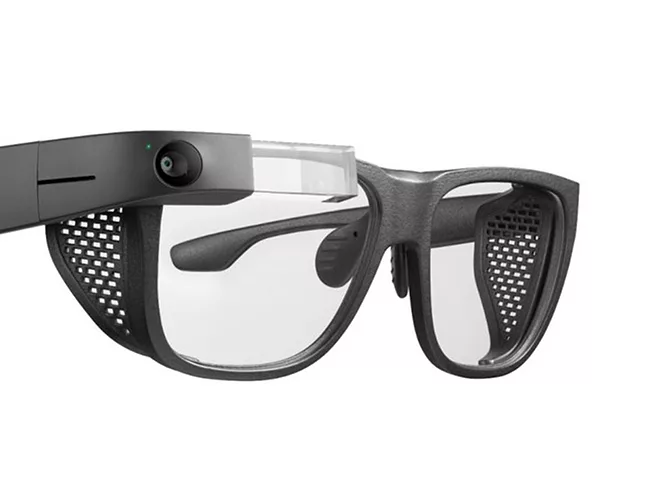
Envision Technologies BV’s latest artificial intelligence (AI)-powered smart glasses for the blind and visually impaired are designed to help with reading, scanning faces and navigating everyday tasks. This visual assistant was introduced at California State University Northridge (CSUN) 2022 Assistive Technology Conference. Envision has updated its AI-based platform and ecosystem with improved optical character recognition (OCR) and better text recognition with contextual intelligence.
If GE Healthcare’s GM of Monitoring Solutions Neal Sandy gets his way, nursing staff will perk up and notice a newly launched wireless patient monitoring system that helps them detect patient deterioration much earlier than periodic, manual monitoring.
Armed with compelling phase IIb data and with two phase III trials underway, Newamsterdam Pharma BV has sealed a European commercialization deal worth more than €1 billion (US$1.6 billion) with Menarini Group for its cholesterol lowering drug, obicetrapib.
In an era of ever-increasing change in regulation of medical devices, the 2021 draft regulatory proposal by the U.K.’s Medicines and Healthcare Products Regulatory Agency (MHRA) might have seemed like an invitation to regulatory balkanization. However, MHRA said the responses to the draft proposal indicated widespread support for “international collaboration with like-minded regulators,” thus reassuring industry that their developmental devices won’t face an entirely new set of barriers to access to a market of more than 67 million.
The first gene therapy to treat severe hemophilia A was among the drugs recommended for European approval by regulators from the EMA’s CHMP at its monthly meeting. Manufactured by Biomarin Pharmaceutical Inc., Roctavian (valoctocogene roxaparvovec) was recommended for conditional marketing authorization in the EU for severe hemophilia A in adults who do not have factor VIII inhibitors and no antibodies to adeno-associated virus serotype 5.
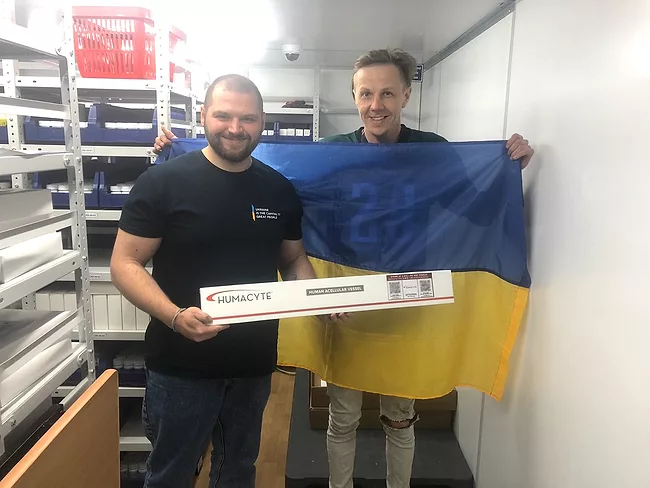
Humacyte Inc. provided its Human Acellular Vessel (HAV) implants to Ukrainian hospitals on the front-line of the Russian invasion as part of the company’s humanitarian relief initiative. Two patients have received the implants for treatment of vascular trauma injuries. One patient had sustained a severe gunshot wound to the leg and the other was injured by shrapnel.

 RSS
RSS