It was a mixed day for Daewoong Pharmaceutical Co. Ltd., which disclosed separately on March 28 both the termination of a $336 million licensing deal with CS Pharmaceuticals Ltd. and upbeat plans to unveil three new oncology assets at the upcoming American Association for Cancer Research in April.
Anocca AB has secured the first regulatory authorization in Europe for a CRISPR-Cas gene-edited T-cell receptor T-cell therapy trial, with the phase I/II study now due to start over the next three months at sites in Sweden, Germany, Denmark and the Netherlands.
When every minute matters, quickly determining which patients in the emergency department need urgent care for myocardial infarction can save lives. Researchers at the University Hospital Münster in Münster, Germany, developed a deep learning model that can detect features on electrocardiograms that more accurately identifies which patients require urgent revascularization than clinicians and provides results faster than high-sensitivity troponin lab tests.
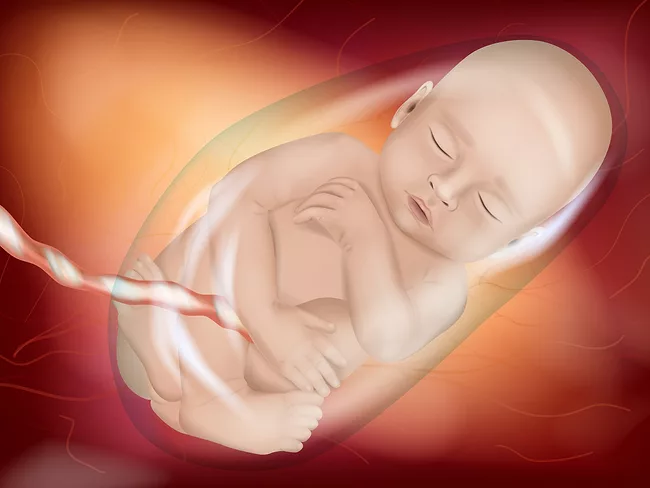
The use of an AI tool could speed up the time it takes to do pregnancy scans by almost half and it is still able to identify any abnormalities in the fetus, researchers found. Results from a study showed the AI tool used to assist with 20-week pregnancy scans reduced the scan length by more than 40% and still maintained the same accuracy and reliability of diagnoses.
French biotech Pep-Therapy SAS is in the midst of raising a €20 million (US$21.62 million) round and, at the same time, prospecting for potential partners after winning FDA orphan drug designation for its bifunctional peptide Pep-010 in the treatment of pancreatic cancer. Pep-010 currently is moving to the conclusion of a phase Ib trial and the new money will fund phase II development.
As companies continually search for next-generation obesity prospects, one of the leaders in the disease space, Novo Nordisk A/S, has obtained an exclusive license to a preclinical-stage, first-in-class, small-molecule inhibitor of Acyl-CoA synthetase 5 (ACSL5) developed by Lexicon Pharmaceuticals Inc.
It was a mixed day for Daewoong Pharmaceutical Co. Ltd., which disclosed separately on March 28 both the termination of a $336 million licensing deal with CS Pharmaceuticals Ltd. and upbeat plans to unveil three new oncology assets at the upcoming American Association for Cancer Research in April.
As companies continually search for next-generation obesity prospects, one of the leaders in the disease space, Novo Nordisk A/S, has obtained an exclusive license to a preclinical-stage, first-in-class, small-molecule inhibitor of Acyl-CoA synthetase 5 (ACSL5) developed by Lexicon Pharmaceuticals Inc.
The EMA has rejected the Alzheimer’s disease therapy Kisunla (donanemab) from Eli Lilly and Co., saying the benefits of the anti-amyloid antibody do not outweigh the risks of edema and hemorrhage in the brain, known as amyloid-related imaging abnormalities (ARIA).
The first disease modifying therapies for Alzheimer’s may have limited utility in some senses, but they will be a force for change, providing momentum and altering the way governments as payers, and health systems as carers, think about the disease.
 RSS
RSS