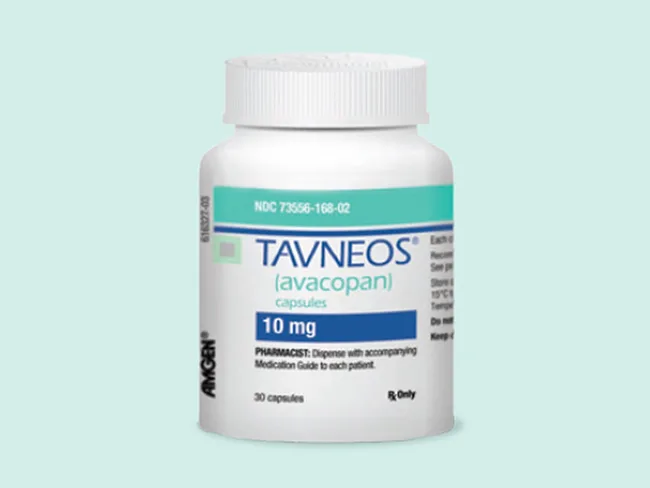
The EMA is recommending withdrawing Amgen Inc.’s complement inhibitor Tavneos (avacopan) from the market in Europe, saying data provided at the time it assessed the MAA “were found to be incorrect and misleading and could no longer be relied upon for demonstrating Tavneos’ effectiveness.”
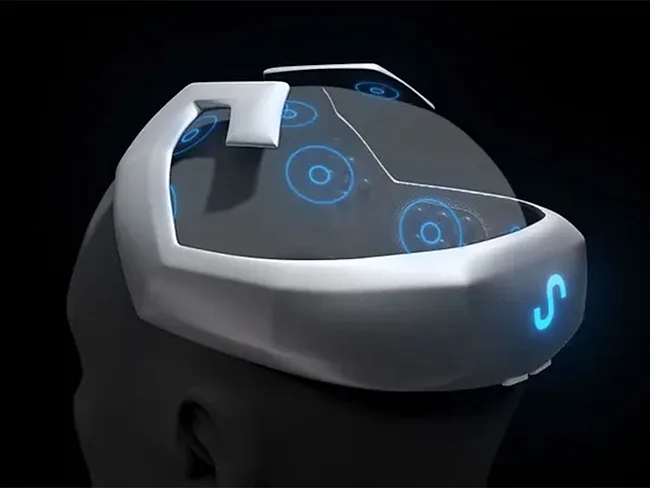
An estimated $2 billion has been invested in the brain-computer interface (BCI) space in the last two years and the level of funding is expected to continue. Investors are betting that a deeper understanding of the brain will allow BCI systems to address the significant unmet need affecting millions of people with neurological disorders. They are also chasing an opportunity where the market for BCIs could reach $400 billion – in the U.S. alone.
Adhesives innovator H.B. Fuller Co. is offering £2.85 per share in cash to buy Advanced Medical Solutions Group plc, expanding its technologies, commercial footprint and manufacturing capabilities across the globe.
A year and a half from its formation, Oblenio Bio has generated positive nonhuman primate data for LBL-051 in chronic autoimmune diseases and closed a $62 million series B to move the trispecific T-cell engager into the clinic.
The oversubscribed $330 million series B round secured by Ollin Biosciences Inc. marks more than another large venture round in ophthalmology. It also highlights an emerging biotech financing model in which Chinese pharma companies discover and clinically validate promising drugs before handing global development to well-capitalized U.S. startups backed by blue-chip venture investors.
For the second time this year, the U.S. CDC’s Advisory Committee on Immunization Practices (ACIP) canceled a scheduled meeting due to a federal judge’s stay that keeps the panel from meeting with its current membership. Typically, ACIP meets three times a year – in February, June and October. The 2026 June meeting was slated for June 23-25. Whether the adcom meets in October will be up to the courts and how far Health and Human Services Secretary Robert Kennedy digs in his heels to maintain a hand-picked committee tilted toward his view of vaccines.
The eighth version of the Prescription Drug User Fee Act (PDUFA) is up for renewal next year, but the bulk of the negotiations between the drug development industry and the U.S. FDA is largely complete. At the BIO International Convention, representatives from the industry and trade organization provided an overview of what was agreed upon during the 127 negotiating sessions that were needed to arrive at the commitment letter, which will be sent to Congress later in 2026.
With the pace of neurotechnology development accelerating, a wave of brain-computer interface (BCI) companies is emerging on the heels of the pioneers. In the latest installment of BioWorld’s series on the BCI field, Rotem Kopel, CEO of Ability Neurotech SA, explains that following in the footsteps of the established players has its advantages. “It's not too bad to be a fast follower to a company like Neuralink.” Ability and its peers are either building more complete systems, or exploring different approaches from electrodes with newer materials to nanoparticles, while addressing technical and clinical challenges identified by earlier entrants and targeting different indications.
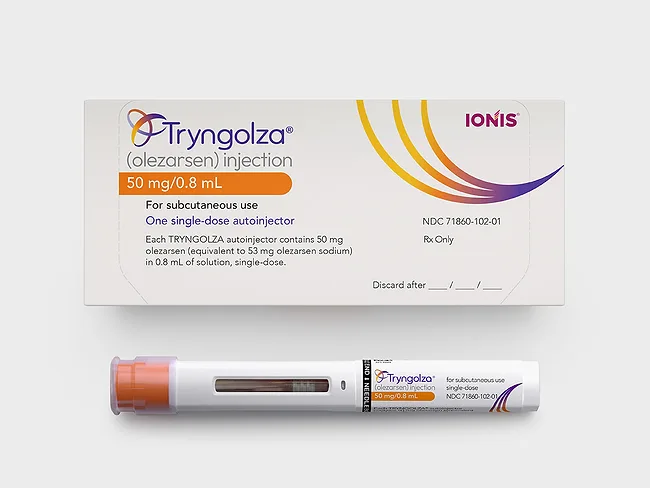
As expected, and following impressive phase III data released last September, Ionis Pharmaceuticals Inc. won U.S. FDA approval of Tryngolza (olezarsen) for adults with severe hypertriglyceridemia, unlocking a larger indication and one that held both priority review and breakthrough therapy designations.
Nuvectis Pharma Inc.’s shares climbed further after the oncology-focused biotech nabbed select rights to a late-stage complement factor B inhibitor (HSK-39297/NXP-100) and a phase I BRAF inhibitor (HSK-42360/NXP-200) from Haisco Pharmaceutical Group Co. Ltd. for $40 million up front.
 RSS
RSS