HONG KONG – The Biden administration’s support for a TRIPS waiver of COVID-19 vaccine patents has already met a chorus of resistance from Western companies. In Asia, skepticism about how it would be achieved and what it will cover, is widespread.
A cautious optimism pervaded the March 11 Senate Health, Education, Labor and Pensions (HELP) Committee update on COVID-19, with witnesses and lawmakers alike welcoming the continuing decline of infections, hospitalizations and deaths in the U.S.
As expected, the FDA has expanded emergency use authorization (EUA) for Pfizer Inc. and Biontech SE’s COVID-19 vaccine, Comirnaty (tozinameran), to include adolescents 12 through 15 years of age, marking what Acting FDA Commissioner Janet Woodcock called "a significant step in the fight against the COVID-19 pandemic."
The COVID-19 pandemic’s impact on inspections of drug and device manufacturing sites is a matter of record, but the agency says it is on track to resume inspections for high-risk considerations. However, the FDA also said it will likely make more extensive use of virtual inspection tools going forward, a development that may ease some of the operational interruptions engendered by conventional on-site inspections.
The Biden administration’s May 5 about-face on the proposed TRIPS waiver of intellectual property (IP) protections for COVID-19-related medical products is not playing well with U.S. industry, EU trading partners and others concerned about the long-term unintended consequences.
Once again, the World Trade Organization (WTO) postponed a decision on a temporary intellectual property (IP) waiver for COVID-19 vaccines and other related medical products.
The 2021 Special 301 Report recently released by the U.S. Trade Representative is mostly déjà vu for the 32 countries included on the Priority Watch and Watch Lists, as all of them have appeared before on the lists that call out U.S. trading partners for unfair intellectual property practices that disadvantage foreign companies.
Nearly a week after U.S. President Joe Biden called on Congress to get prescription drug pricing reform done, a House subcommittee took up dueling bills aimed at bringing down drug prices.
As part of a U.S. FDA evaluation of confirmatory trials for anti-PD-1/PD-L1 antibodies, the agency’s Oncologic Drugs Advisory Committee (ODAC) is being asked this week to consider whether three blockbuster biologics should continue to be available for certain cancer indications for which they received accelerated approval. At question is whether the data from the confirmatory trials for the Roche Group’s Tecentriq (atezolizumab), Merck & Co. Inc.’s Keytruda (pembrolizumab) and Bristol Myers Squibb Co.’s Opdivo (nivolumab) has proved sufficient benefit in particular indications and, if not, whether alternative or ongoing trials could do so.
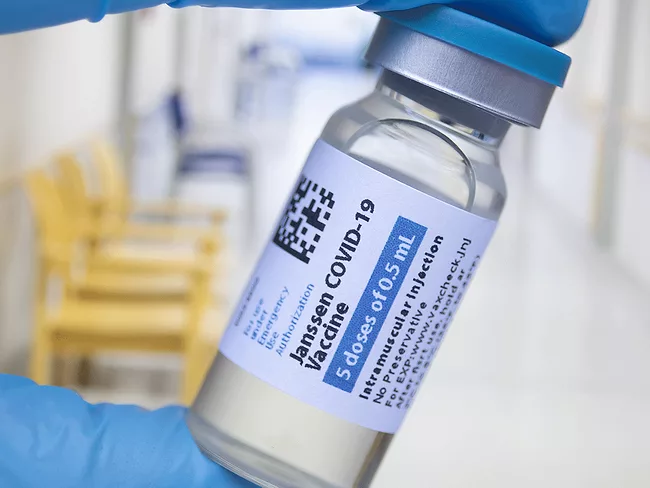
The CDC’s Advisory Committee on Immunization Practices again took up the matter of risk vs. benefit with the COVID-19 vaccine made by Johnson & Johnson, and proved significantly less skeptical at its second meeting. The FDA and CDC swiftly determined that the recommended pause should be lifted and use of the vaccine should resume.
 RSS
RSS