Sotera Health Holdings LLC has finalized a $408 million settlement for litigation over the company’s use of ethylene oxide (EtO) at a Sterigenics facility in Willowbrook, Ill., although litigation is still pending in connection with sites in other U.S. states. The news comes as med-tech trade associations register their disappointment with an EPA proposed rule for EtO that both the Medical Device Manufacturers Association (MDMA) and the Advanced Medical Technology Association (Advamed) argue would crimp availability of sterilization capacity, which would in turn create shortages of medical devices and supplies that are desperately needed by patients.
At the American Diabetes Association (ADA) Annual Meeting this weekend, Medtronic plc provided an update for investors and showcased results from its devices that all demonstrated better time in range for users. The Dublin-based company provided strong results with the U.S. FDA warning letter now behind it and the 780G Minimed pump and Guardian 4 sensor launches well underway.
The U.S. Office of Inspector General (OIG) has concluded an analysis that found fault with Medicare payments for genetic testing under CPT code 81408, a code that covers tests for a variety of mutations of medical interest. According to OIG, these claims were often paid $2,000 each despite poor oversight from Medicare administrative contractors (MACs), raising the risk that a substantial percentage of roughly $888 million in claims paid between 2018 and 2021 were either fraudulent or at best inappropriate.
U.S. Medicare coverage for breakthrough devices has been a hot topic for several years now, but industry is one step closer to making this policy dream a reality thanks to another new proposal from the Centers for Medicare & Medicaid Services (CMS). The agency released a new version of the Transitional Coverage for Emerging Technologies (TCET) program that seems to satisfy most of what med-tech trade associations sought, but the catch is that manufacturers must notify CMS of their intent to take part in TCET a year before the FDA will decide whether to grant market authorization to the device.
Dexcom Inc. rolled out its plans for 2024 and 2025 at an Investor Day event held at the beginning of the American Diabetes Association Annual Meeting in its hometown of San Diego on June 23. The company is looking to expand from diabetes into metabolic health more broadly and previewed several new products designed to appeal to a wider market.
The U.S. FDA reported a pilot program for validation of lab-developed tests (LDTs) used as companion diagnostics, a move that seems an implicit recognition that test kits as CDx products are not the darlings of test developers. The program arrives as the agency is considering rulemaking for regulation of LDTs, however, a combination of developments that promises to roil the already strained relationship between the FDA and clinical labs.
The question of when U.S. federal attorneys can dismiss a whistleblower suit filed under the False Claims Act (FCA) has roiled the courts for several years, but the Supreme Court has laid many of those questions to rest in an 8-1 ruling which said that the government can dismiss a whistleblower FCA case only after federal attorneys have intervened.
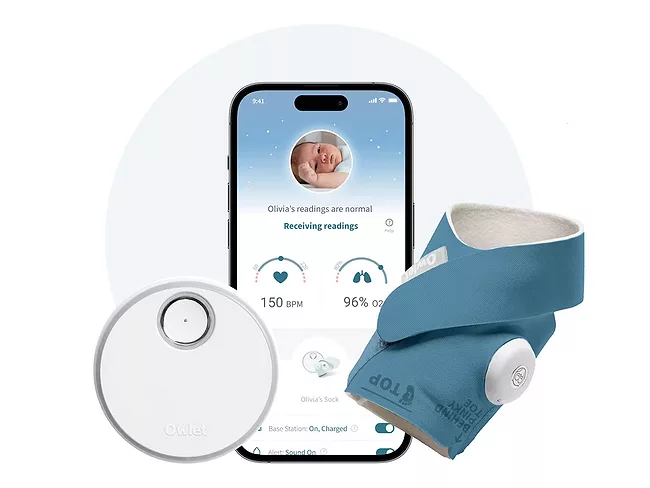
In a wise move from Owlet Inc.’s point of view, the U.S. FDA cleared the company’s Babysat pulse oximetry sock for infants. The wire-free sock design permits safe and comfortable medical-grade monitoring for infants who might otherwise require extended hospitalization.
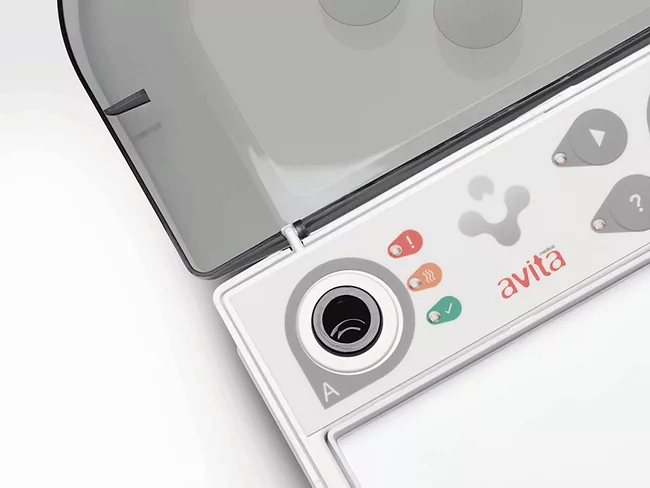
In its second approval this month from the U.S. FDA, Avita Medical Inc.’s Recell system received premarket approval for the repigmentation of stable depigmented vitiligo lesions. The approval marks the first therapeutic device offering a one-time treatment for vitiligo at the point of care. Using the device, a clinician prepares and delivers autologous skin cells from pigmented skin to stable depigmented areas.
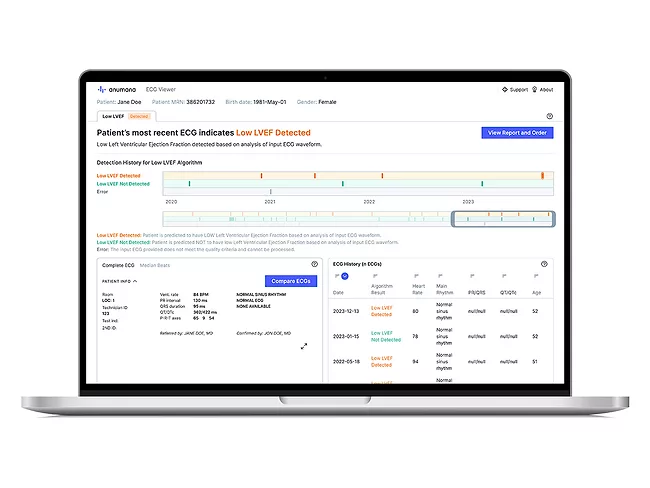
Anumana Inc. has garnered a U.S. FDA breakthrough device designation for its artificial intelligence (AI)-powered electrocardiogram-based algorithm for early identification of cardiac amyloidosis. The ECG-AI detection algorithm is the fourth from the company and its partners to notch breakthrough status.

 RSS
RSS