Amsterdam-based Royal Philips NV has posted the data from the complete set of third-party testing of the polyester-based polyurethane (PE-PUR) sound abatement foam used in its first-generation CPAP and other devices, and the news is not good for the U.S. FDA. These third-party evaluations have concluded that the foam used in these first-generation devices is unlikely to exert any “appreciable harm” to patients, a conclusion that runs directly counter to the FDA’s implicit argument about the foam.
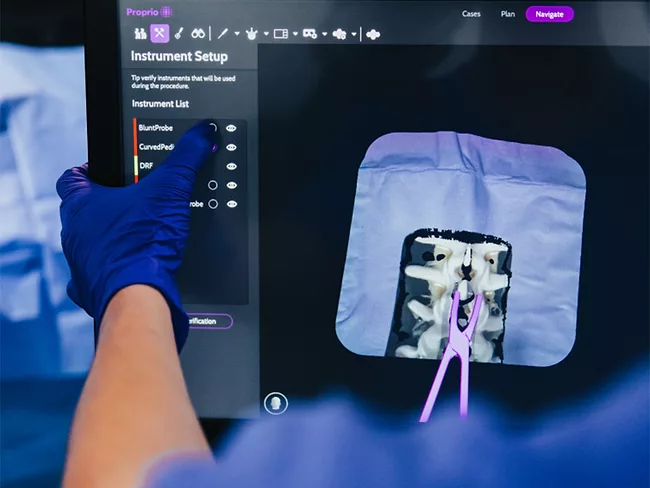
A surgical navigation platform developed by Proprio Inc., that is intended to replace traditional surgical technologies which produce harmful radiation and can impede surgical workflow, won U.S. FDA 510 (k) clearance.
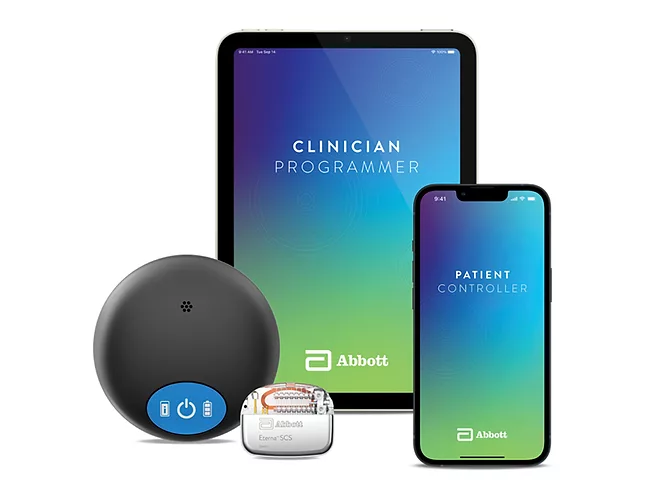
Abbott Laboratories received U.S. FDA approval for an expanded indication for its spinal cord stimulator (SCS) devices to include treatment of chronic back pain for individuals who have not had or are ineligible for back surgery. The FDA based its decision on the positive results from the DISTINCT study which showed that 85.2% of patients implanted with the SCS devices achieved significant reduction in back pain compared to 7.1% of those who received conservative medical management.
Ravgen Inc.’s patent litigation strategy could add another $100 million to the company’s coffers, assuming enhanced damages in its suit against Laboratory Corp. of American Holdings (Labcorp) awarded on May 12 are sustained on appeal. The additional damages are on top of the $272.5 million awarded in September for “egregious” violations of Ravgen’s patents on non-invasive prenatal testing methods.
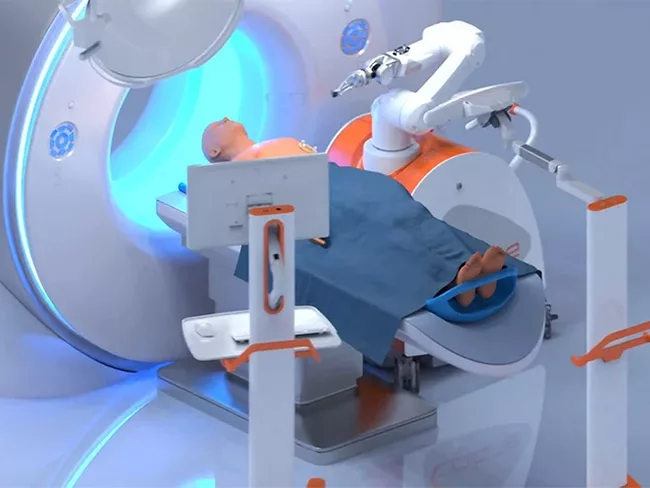
Quantum Surgical SAS has obtained an extension to the FDA authorization covering its Epione robot, which can now treat abdominal cancers. “This decision now allows physicians to treat all abdominal tumors at an early stage and will ramp implementation of our Epione robotics solution in the U.S.,” said Bertin Nahum, CEO and co-founder of Quantum Surgical. Marketed in Europe and the U.S., the Epione robot has already been used to treat more than 150 patients with liver or kidney cancer.
Most of the decisions arising from the inter partes review (IPR) process used in the U.S. patent system are the final word on the related patent dispute, but Guardant Health Inc., managed to at least temporarily reverse such an outcome recently. The Court of Appeals for the Federal Circuit reversed an IPR determination that 16 claims found in a patent held by Guardant were obvious and kicked the case back to the Patent Trial and Appeal Board (PTAB) for further consideration, but the affected patent is not clear of an adverse determination just yet.
Creative Balloons GmbH has changed its name to Advanced Medical Balloons GmbH and is bringing its fecal management system, Hygh-tec, to the U.S. market after receiving clearance from the U.S. FDA. Hygh-tec is a microscopically thin polyurethane balloon catheter system which enables reliable, sealed access to the colon preventing fecal leakage from patients in intensive care units.
A subcommittee of the U.S. House Ways and Means Committee met to review the status of policies for novel medical devices and drugs, but a partisan rift was immediately evident at the hearing. House Democrats were generally in favor of more drug price negotiation power for the federal government and opposed to immediate Medicare coverage of breakthrough medical devices while Republicans generally steered in the opposite direction, suggesting that drug and device makers should not expect clear legislative sailing over the course of the 118th Congress.
Presentations at the Digestive Disease Week 2023 conference highlighted the strong performance of non-invasive tests for early-stage colorectal cancer. Both Guardant Health Inc. and Exact Sciences Corp. aim to increase acceptance of their tests for CRC to drive higher screening rates, as the preparation and invasive nature of colonoscopy continue to depress participation, even as rates of CRC are rising sharply among younger adults.
An increasing number of European med-tech companies are first seeking regulatory approval from the U.S. FDA because of the growing backlog and frustrations with requirements under the new regulatory framework of the EU Medical Device Regulation (MDR), which has been described as “not working.”

 RSS
RSS