The question of when U.S. federal attorneys can dismiss a whistleblower suit filed under the False Claims Act (FCA) has roiled the courts for several years, but the Supreme Court has laid many of those questions to rest in an 8-1 ruling which said that the government can dismiss a whistleblower FCA case only after federal attorneys have intervened.
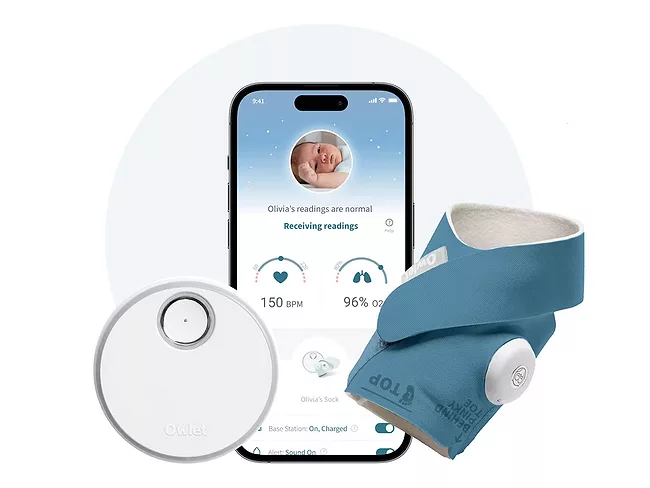
In a wise move from Owlet Inc.’s point of view, the U.S. FDA cleared the company’s Babysat pulse oximetry sock for infants. The wire-free sock design permits safe and comfortable medical-grade monitoring for infants who might otherwise require extended hospitalization.
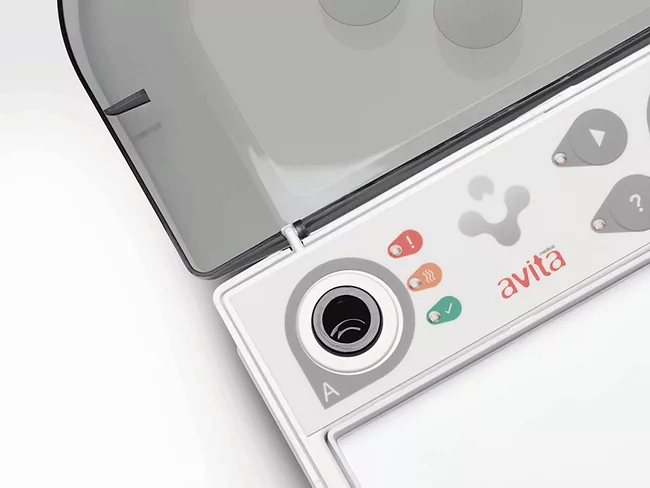
In its second approval this month from the U.S. FDA, Avita Medical Inc.’s Recell system received premarket approval for the repigmentation of stable depigmented vitiligo lesions. The approval marks the first therapeutic device offering a one-time treatment for vitiligo at the point of care. Using the device, a clinician prepares and delivers autologous skin cells from pigmented skin to stable depigmented areas.
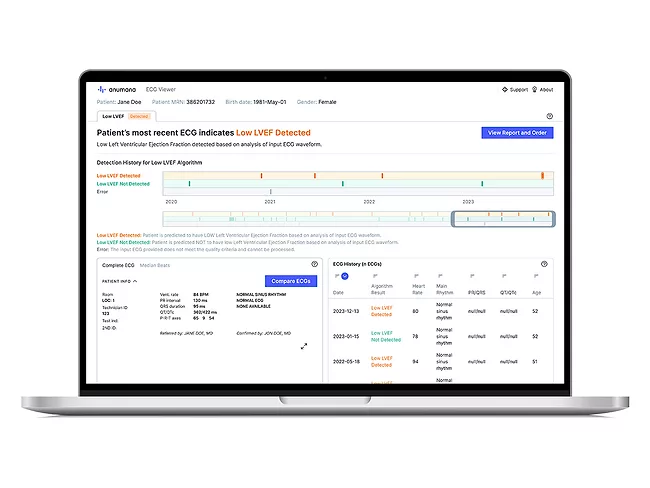
Anumana Inc. has garnered a U.S. FDA breakthrough device designation for its artificial intelligence (AI)-powered electrocardiogram-based algorithm for early identification of cardiac amyloidosis. The ECG-AI detection algorithm is the fourth from the company and its partners to notch breakthrough status.
The U.S. Federal Trade Commission (FTC) reported a settlement with San Francisco-based 1Health.io Inc. for allegations that the consumer gene testing company failed to properly secure customers’ data, an oversight that will cost the company only $75,000 in fines.
Whoever said beauty is only skin deep hasn’t looked below to see what Sientra Inc. has made available there recently. The medical aesthetics company now boasts the only tissue expander cleared in the U.S. for exposure to magnetic resonance imaging, an important screening tool for breast reconstruction patients. Sientra’s CTO Denise Dajles told BioWorld the newly cleared Allox2 Pro Tissue Expander builds on the original expander also cleared by the FDA. “No other expander in the market has an MRI compatibility indication because they are based on a metal, i.e., metallic ports and big magnets in them,” Dajles explained.
The U.S. FDA’s citizen’s petition process doesn’t always yield the desired outcome, but the agency must nonetheless respond to these petitions. Sonex Health Inc., has petitioned the FDA to rethink a proposal to reclassify the company’s SX-One device for treatment of carpal tunnel syndrome, an unusual instance in which a medical device maker has resisted a proposal to make a device exempt from regulatory requirements.
A committee of the U.S. House of Representatives wrapped up business in a late-running June 14 markup of spending bills that would give the U.S. FDA roughly $6.6 billion to work with in fiscal 2024. However, the final bill omits language in the manager’s mark that had called on the FDA to engage in rulemaking or guidance development for lab-developed tests, but the FDA made up for that by adding a proposal to engage in rulemaking for LDTs in its regulatory agenda.
The June 14 hearing of the House Appropriations Committee was focused largely on spending levels for the Department of Agriculture, but there was also some concern over the proposed spending levels for the FDA. One of the more conspicuous features of the legislative report is the recommendation that the FDA finalize guidance or rulemaking for risk-based regulation of lab-developed tests (LDTs), a clear departure from the stance taken by Congress for a number of years.
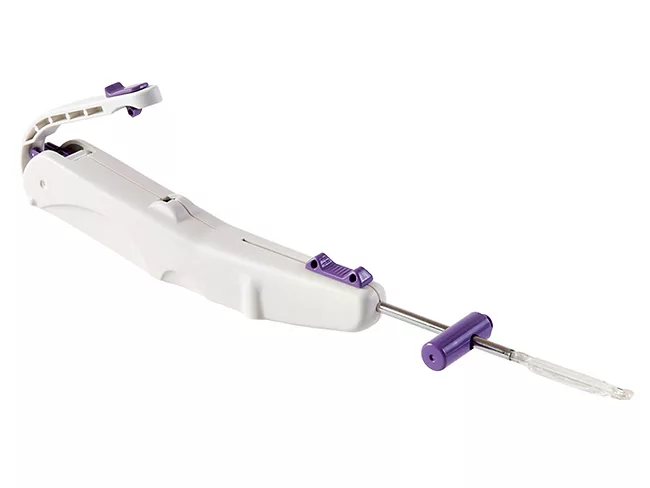
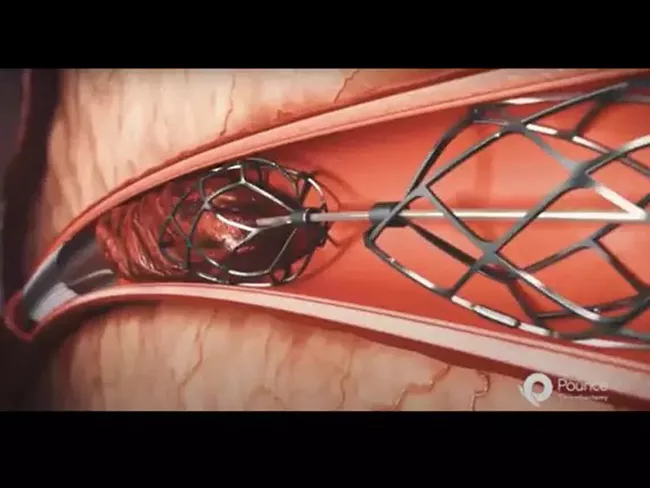
Surmodics Inc. is poised to jump on the market for below the knee thrombectomy now that its Pounce platform with a low-profile (LP) model has FDA 510(k) clearance. The system can now effectively clear organized clots from vessels as small as 2 mm in diameter. The Pounce LP expands the Eden Prairie, Minn.-based company’s “grab-go-flow” platform. In its first iteration, Pounce enabled removal of thrombi and emboli in peripheral arteries 3.5 mm to 6 mm in diameter.
 RSS
RSS