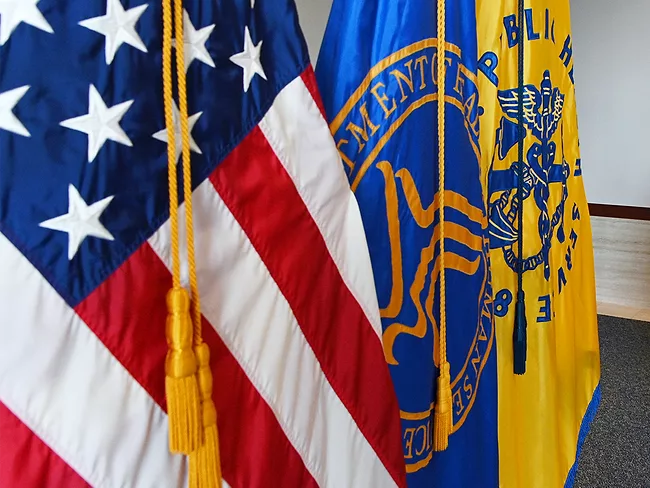
Borrowing a chapter from venture capitalists, the U.S.’ Biomedical Advanced Research and Development Authority (BARDA) is partnering with the nonprofit Global Health Investment Corp. (GHIC) to accelerate the development and commercialization of medical technologies and products needed to respond to or prevent future pandemics and other public health emergencies.
Acting FDA commissioner Janet Woodcock appeared at the annual forum held by the Medical Device Innovation Consortium (MDIC) and noted that real-world evidence (RWE) has tremendous potential in regulatory decision making. However, she cautioned that while “the future is very bright” for RWE, “it’s going to take longer than some of the enthusiasts might have thought” to maximize this source of data in product reviews.
Veracyte Inc. has agreed to acquire Haliodx SAS in a €260 million (US$318.1 million) deal to accelerate growth and strengthen its global footprint in cancer diagnostics. The cash and stock transaction will give Veracyte a manufacturing presence in Europe and expand its cancer diagnostics scope to eight of the 10 top cancers by U.S. incidence.
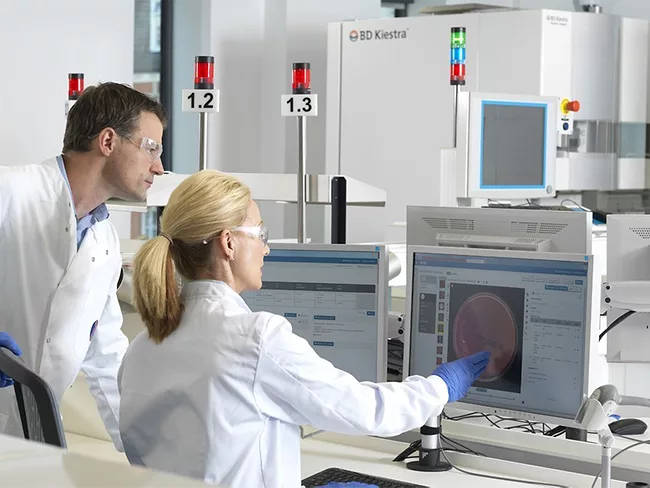
Becton, Dickinson & Co. (BD) is looking to ease the burden on microbiology labs with the U.S. launch of its urine culture analysis imaging application by automating microbiology processes. Powered by artificial intelligence (AI), the app is intended for use on the device manufacturer’s Kiestra lab automation incubation and imaging system.
The Biden administration released its full budget proposal for fiscal year 2022, increasing the FDA’s budget authority to nearly $3.6 billion, up 10% over 2021. The Alliance for a Stronger FDA said that though analysis is needed to parse out the details, the proposal will be supported.
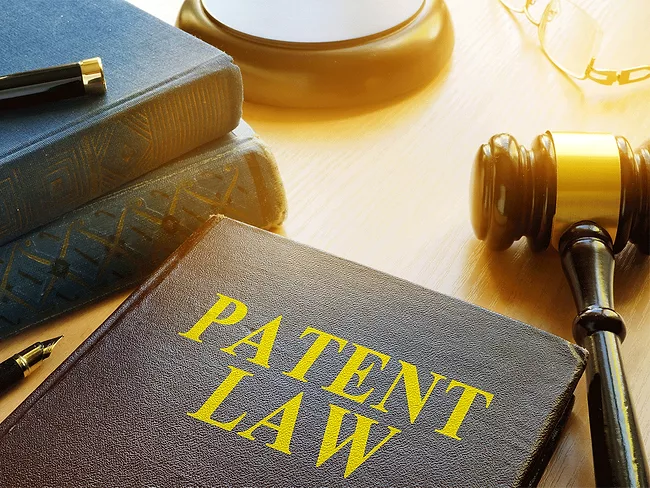
Medical devices have had to deal with a large body of uncertainty where patent protection is concerned, thanks principally to jurisprudence arising out of the Supreme Court. However, Mark Mansour, a regulatory attorney with the D.C. office of Dykema Gossett PLLC, said on a recent webinar that even in the absence of a patent, de novo devices can gain some market exclusivity with smart use of labeling, a practice that can help ensure that the developer can achieve the needed return on investment.
In an effort to address the longstanding issues with medical device manufacturers failing to comply with Section 522 postmarket surveillance studies, the FDA is looking to revamp 2016 policies in new draft guidance issued on Wednesday. A separate FDA draft document seeks to update guidance on post-approval study requirements for high-risk devices with new policies on procedures and submissions.
Woebot Labs Inc. got a bit of a pick-me-up with the FDA's decision to grant breakthrough device designation to the company's digital therapeutic for postpartum depression. The WB001 app combines cognitive behavioral therapy with interpersonal psychotherapy and an understanding of how postpartum depression affects interactions and daily life. The investigational treatment is designed as an eight-week, prescription-only intervention for women under a physician’s care.
Digital therapeutics startup Akili Interactive Inc. has secured $160 million in a combined equity and debt financing to accelerate commercialization of its Endeavorrx platform for cognitive disorders. The company won FDA clearance and the CE mark in June 2020 for its video game-based treatment, Endeavorrx ALK-T01, for children with attention deficit hyperactivity disorder (ADHD).
With a number of Medicare coverage policies in flux, the U.S. Senate has confirmed Chiquita Brooks-LaSure as the next CMS administrator, closing out one more critical remaining position for the Biden administration at the Department of Health and Human Services. Still unannounced is the administration’s nominee to lead the FDA, an omission that becomes more conspicuous with each passing day.
 RSS
RSS