Medical devices have had to deal with a large body of uncertainty where patent protection is concerned, thanks principally to jurisprudence arising out of the Supreme Court. However, Mark Mansour, a regulatory attorney with the D.C. office of Dykema Gossett PLLC, said on a recent webinar that even in the absence of a patent, de novo devices can gain some market exclusivity with smart use of labeling, a practice that can help ensure that the developer can achieve the needed return on investment.
In an effort to address the longstanding issues with medical device manufacturers failing to comply with Section 522 postmarket surveillance studies, the FDA is looking to revamp 2016 policies in new draft guidance issued on Wednesday. A separate FDA draft document seeks to update guidance on post-approval study requirements for high-risk devices with new policies on procedures and submissions.
Woebot Labs Inc. got a bit of a pick-me-up with the FDA's decision to grant breakthrough device designation to the company's digital therapeutic for postpartum depression. The WB001 app combines cognitive behavioral therapy with interpersonal psychotherapy and an understanding of how postpartum depression affects interactions and daily life. The investigational treatment is designed as an eight-week, prescription-only intervention for women under a physician’s care.
Digital therapeutics startup Akili Interactive Inc. has secured $160 million in a combined equity and debt financing to accelerate commercialization of its Endeavorrx platform for cognitive disorders. The company won FDA clearance and the CE mark in June 2020 for its video game-based treatment, Endeavorrx ALK-T01, for children with attention deficit hyperactivity disorder (ADHD).
With a number of Medicare coverage policies in flux, the U.S. Senate has confirmed Chiquita Brooks-LaSure as the next CMS administrator, closing out one more critical remaining position for the Biden administration at the Department of Health and Human Services. Still unannounced is the administration’s nominee to lead the FDA, an omission that becomes more conspicuous with each passing day.
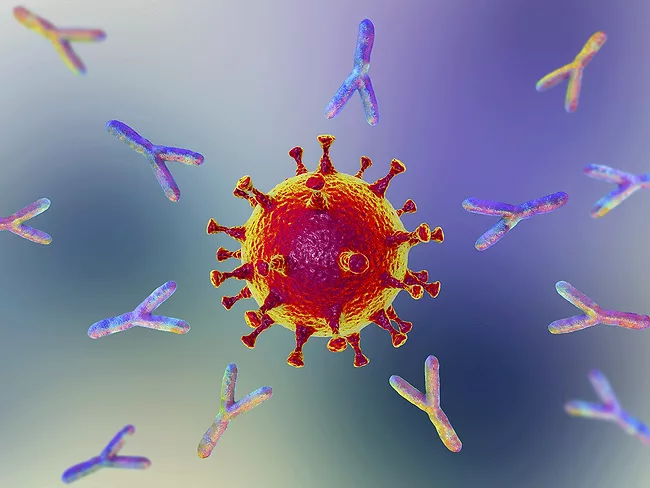
A new study by Laboratory Corp. of America Holdings (Labcorp) has found that nearly 9 in 10 COVID-19 patients continue to have antibodies to SARS-CoV-2 proteins 10 months after infection. Published in The Lancet-affiliated Eclinicalmedicine, the study provides real-world evidence of the persistence of SARS-CoV-2 antibodies in infected individuals, though the authors said more research is needed to determine if, and to what degree, protection against reinfection persists.
The May 25 appearance of Francis Collins, director of the U.S. National Institutes of Health, before a congressional committee revolved in large part around the Biden administration’s so-called ARPA-H proposal, but the administration’s proposal to waive intellectual property rights for vaccines was also on tap.
With the support of the NIH’s National Institute of Child Health and Human Development and the National Institute of Mental Health, researchers at Duke University’s Center for Autism and Brain Development have developed a mobile app that can quickly screen toddlers for autism spectrum disorder without the need for specialized skills.
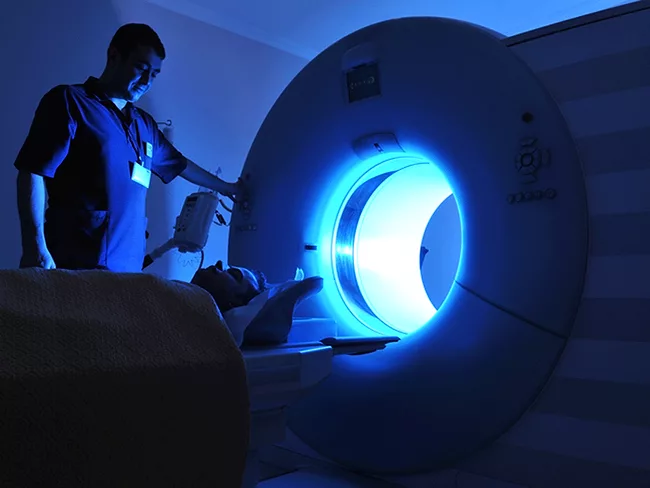
The impact of MRI procedures on medical devices has been the subject of regulatory concern for better than a decade, but the FDA needed until 2019 to craft a guidance that deals with testing and labeling for such considerations. The final guidance offers several tweaks and adjustments to the 2019 draft, but ignores several requests made by industry, including a request that the final not rely on a clinically relevant worst-case scenario when evaluating the potential for device heating.
In seeming opposition to U.S. Trade Representative Katherine Tai’s support of a proposed compulsory World Trade Organization intellectual property (IP) waiver on COVID-19-related medical products, U.S. Vice President Kamala Harris signed onto the G20’s May 21 Rome Declaration that commits the member countries to work to defeat the pandemic within the current flexibilities of the TRIPS agreement by promoting voluntary IP licensing agreements, technology and knowledge transfers, and patent pooling on mutually agreed terms.
 RSS
RSS