Gene and cell therapies will drive innovation for the next 10 years, Claus Zieler, the chief commercial officer at Astellas Pharma Inc., said in the newest episode of the BioWorld Insider podcast. Developers are on the cusp of breakthroughs because a gene can now be replaced “and that means we can potentially cure a disease rather than intervening in a disease.”
A growing foray of pharmacy benefit managers’ (PBMs) private labels into the U.S. biosimilar space is intensifying concerns about the antitrust aspects of PBMs’ vertical integration that has them serving as price negotiator, formulary setter, payer, group purchasing organization, pharmacy, provider and now drug "manufacturer."
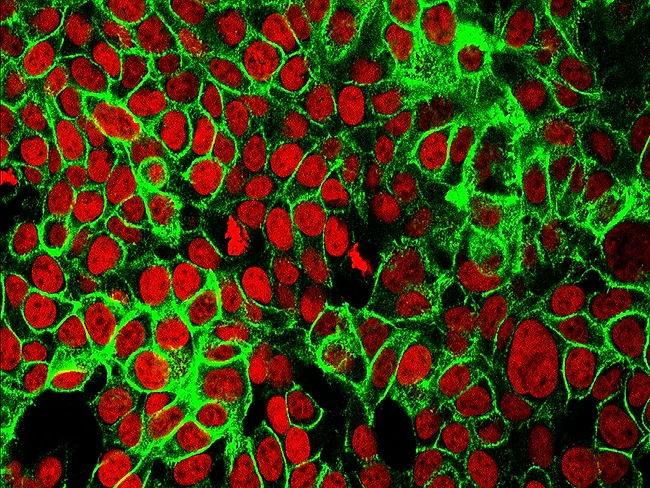
Judo Bio Inc. emerged from stealth mode and rolled out data showing the value of using megalin receptors for intracellular delivery of ligand-small interfering RNA (siRNA) therapeutics to the kidney as a way of reducing expression of the targeted genes.
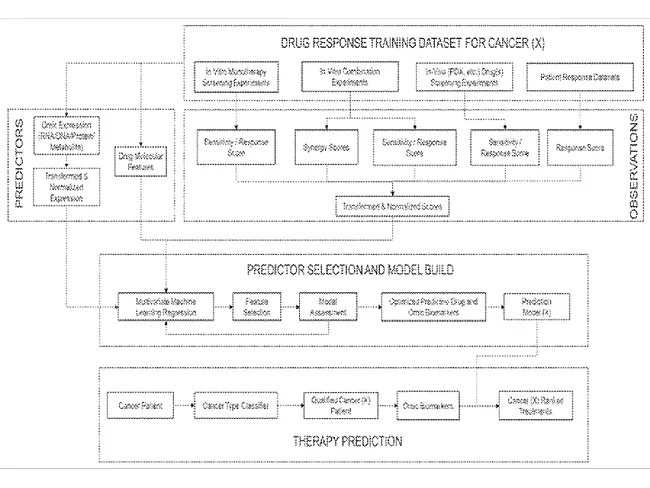
Certis Oncology Solutions Inc. filed for protection of its artificial intelligence platform that utilizes big data, statistical algorithms, and machine learning to predict drug efficacy based on gene expression biomarkers.
Implementation of Flosonics Medical Inc.’s Flopatch reduced sepsis-associated mortality more than 80% in a California public hospital, a case study showed. A wearable Doppler ultrasound device, Flopatch continuously assesses blood flow to guide fluid delivery and resuscitation in critically ill patients.
Edwards Lifesciences Corp. made a splash recently with the U.S. FDA approval of the Evoque tricuspid valve replacement device, but is also pressing Centers for Medicare and Medicaid Services to provide a coverage framework for this class of devices.
Recordati SpA is shelling out $825 million up front for global rights to Enjaymo (sutimlimab), the only therapy approved for treating the rare disease cold agglutinin disease. In the deal with Sanofi SA, which won U.S. FDA approval of the antibody drug in 2022, the Italian pharma agreed to pay up to $250 million more should net sales reach certain thresholds.
Exact Sciences Corp.’s Cologuard Plus received U.S. FDA pre-market approval as a non-invasive colorectal cancer home screening test. The next-generation, stool-based assay, developed in conjunction with the Mayo Clinic, reduces false positives by 30% compared to the original Cologuard test without diminishing its sensitivity for cancer or advanced adenomas.
Researchers from Johns Hopkins University have filed for protection of their Optimal Target Identification via Modelling of Arrhythmogenesis technology – a method that builds a model of a patient’s heart from a cardiac MRI.
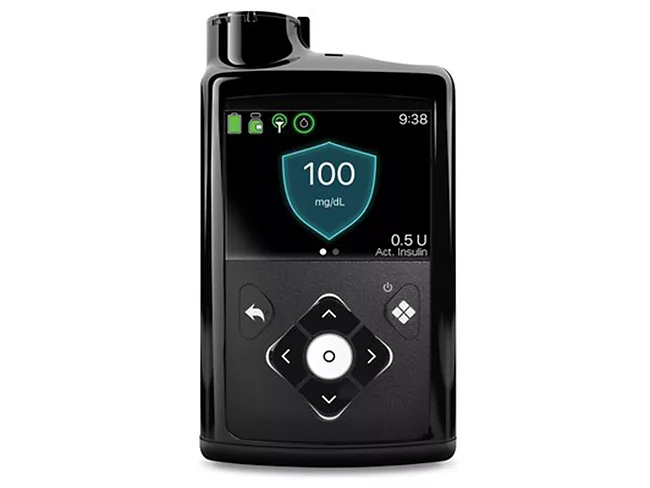
Medtronic plc reported a voluntary recall of certain insulin pumps after customers said a single drop, bump, or physical impact could shorten their battery life.

 RSS
RSS