Despite the Biosecure Act’s five-year wind-down period that isn’t expected to start until mid-2028, Wuxi Apptec is already feeling the repercussions of being added last month to the U.S. Department of War’s Section 1260H list. Instead of just waiting for its June 11 challenge to its listing as a “Chinese military company” to play out in court, the Shanghai-based contract research, development and manufacturing organization (CRDMO) is now seeking a preliminary injunction to suspend the designation during the court proceedings.
With more and more approved products, cell and gene therapies (CGTs) are moving from the initial stronghold in academic medical centers, and these complex biologics are now available across a wider network of treatment centers.
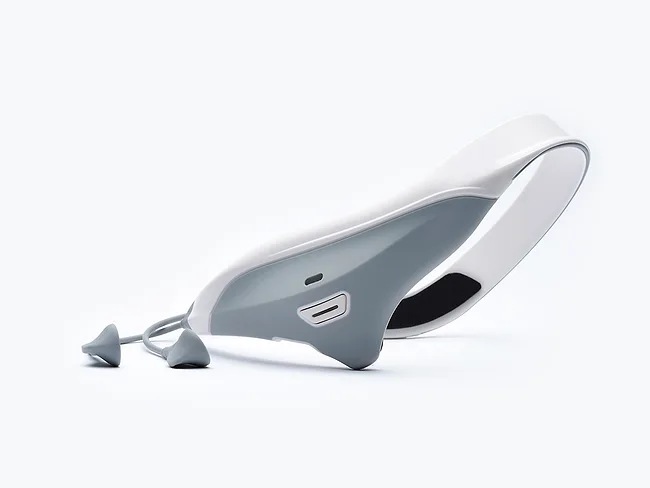
Veterans in the U.S. suffering from post-traumatic stress disorder (PTSD) now have access to Neurovalens Ltd.’s Modius Spero, a wearable neuromodulation device, which can reduce their symptoms in as little as four weeks. The treatment, designed for at-home use of 30-minute daily sessions, was approved for use within the Department of Veterans Affairs after the company secured FDA de novo clearance.
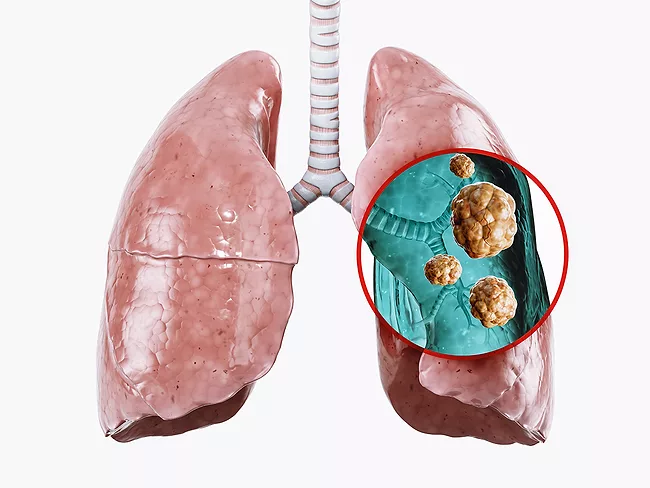
Roche Holding AG’s Genentech unit achieved superior phase III results with its KRAS G12C inhibitor divarasib over approved therapies in previously treated non-small-cell lung (NSCLC) cancer patients.
Regardless of whether the Republicans or Democrats come out on top in November’s midterm congressional elections, some of the state primaries in the U.S. have already guaranteed major shuffles in key House and Senate committees overseeing national health issues.
Zimmer Biomet Holdings Inc.’s deal to buy Pacira Biosciences Inc.’s Iovera system for up to $140 million and Eurobio Scientific SA’s acquisition of Caredx Inc.’s lab products business for $171.2 million are symptomatic of a broader trend among med-tech and diagnostics companies using targeted acquisitions to strengthen specific areas of their portfolio.
The House Select Committee on China launched an investigation into clinical trials involving U.S. companies that are conducted at Chinese military hospitals and in Xinjiang, China.
Orca Bio Inc. is bringing to market a precision-engineered cell therapy approach designed to improve outcomes in patients with hematologic malignancies undergoing allogeneic hematopoietic stem cell transplantation (HSCT) following U.S. FDA approval of Tregzi, a first-of-its-kind, personalized cell therapy.
Otsuka Pharmaceutical Co. Ltd. reported another clinical study win with once-daily centanafadine, a non-stimulant compound targeting attention deficit hyperactivity disorder (ADHD). Top-line results of a dedicated phase IIIb study in patients with ADHD and comorbid anxiety found that centanafadine met the primary endpoint, defined as score improvements on the Adult Investigator Symptom Rating Scale, compared with placebo at week 8.
Samsung Bioepis Co. Ltd. announced positive top-line phase I and phase III data for SB-27, a proposed biosimilar to Merck & Co. Inc.’s blockbuster immunotherapy Keytruda (pembrolizumab). Preliminary analysis of parallel-run global phase I and phase III studies demonstrated SB-27’s clinical and pharmacokinetic (PK) equivalence to the reference product, according to a company announcement.
 RSS
RSS