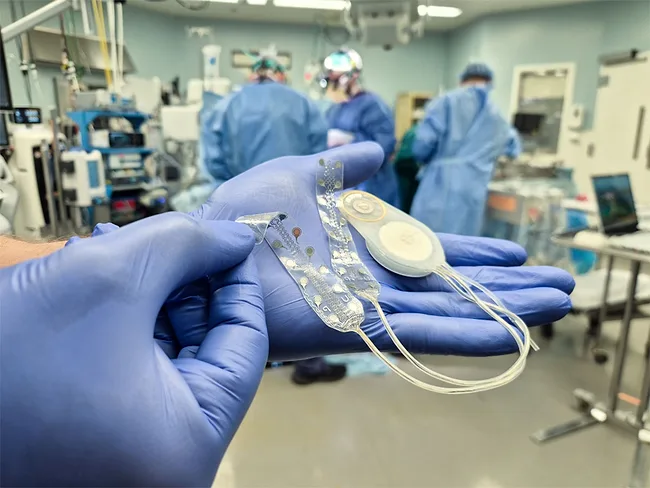
The field of BCI is continually evolving; as such, companies are increasingly highlighting the potential of their technologies to transform care. For advanced players, with fully developed BCI systems, the sector is approaching an inflection point as the technology transitions from early feasibility studies into pivotal trials. The focus now for many is on generating the long-term safety, efficacy and real-world usability data needed to support regulatory approval and broader clinical adoption.
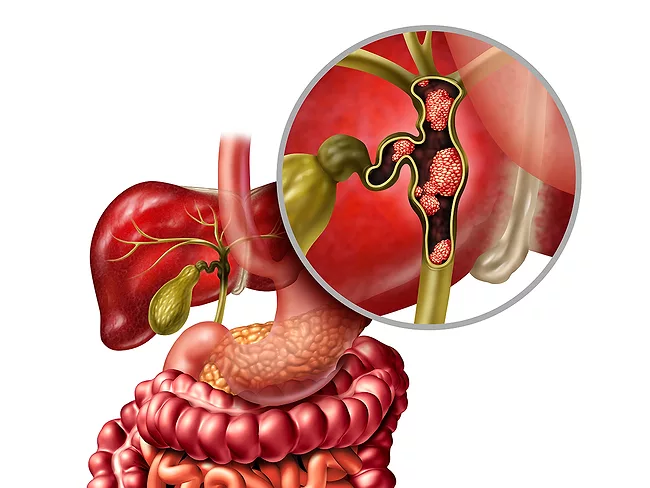
J-Pharma Co. Ltd. is progressing the most clinically advanced L-type amino acid transport 1 (LAT1) inhibitor, nanvuranlat (JPH‑203), in a global phase III Beacon-BTC study of biliary tract cancer following U.S. FDA alignment.
With increasing competition from China and other countries, the U.S. Department of Health and Human Services is rolling out Operation Trailblazer, a department-wide strategy to once again make the U.S. the go-to destination for early stage drug development.
SK Biopharmaceuticals Co. Ltd. is doubling down on AI-powered drug discovery through a new collaboration with Insilico Medicine Inc. valued at more than $2.5 billion. The milestone-heavy deal, announced at the BIO International Convention in San Diego June 22, will pair Insilico’s Pharma.AI platform with SK Biopharm’s central nervous system (CNS) drug development and commercialization capabilities, underscoring Korean and global biopharma efforts to embed AI across the entire R&D lifecycle.
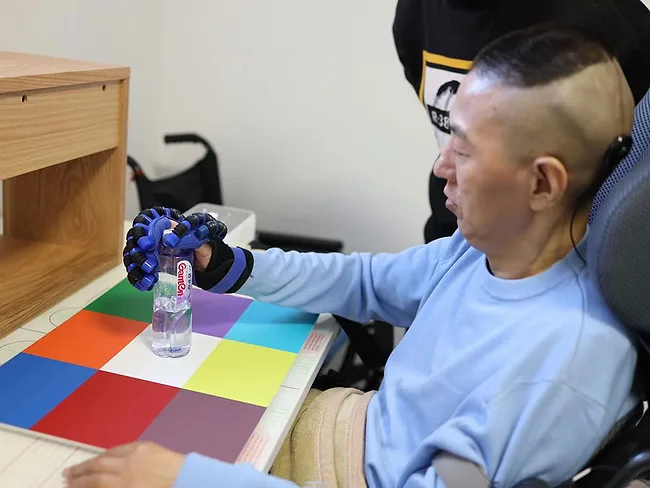
Decades of research are helping unravel the “black box” of the brain. The second article in BioWorld’s series on the Brain-Computer Interface (BCI) field looks at how simultaneous breakthroughs in AI technology are pushing the BCI field from a theoretical concept to a potential real-world, clinical option for individuals, particularly in China where the National Medical Products Administration greenlighted the world’s first invasive BCI system – Neuracle Medical Technology Co. Ltd.’s Neural Electronic Opportunity – for clinical use in March 2026.
Missing statistical significance on the primary overall survival phase III endpoint with antibody-drug conjugate (ADC) sigvotatug vedotin compared with docetaxel in non-small-cell lung cancer (NSCLC), Pfizer Inc., which gained the candidate through its $43 billion buyout of Seagen Inc. in 2023, is forging ahead based on subgroup signals, phase I data and an ongoing phase III Keytruda combination effort currently underway.
Although shot down last year by the U.S. Court of Appeals for the Ninth Circuit, a constitutional challenge to a state law requiring biopharma companies to disclose trade secrets could live to see another court battle.
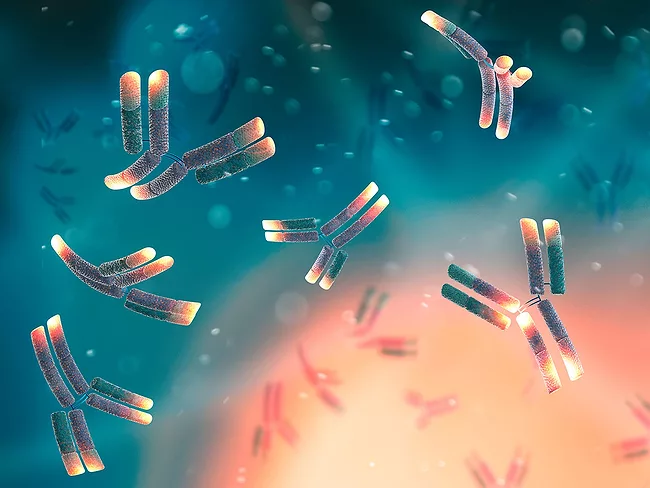
Bionyra Pharma has emerged with a $165 million oversubscribed series A and a portfolio of three antibodies with extended half-lives that are designed to offer improvements over existing classes of monoclonal antibodies for treating chronic inflammatory diseases.
Definium Therapeutics Inc. CEO Rob Barrow hailed a “profound change” in the treatment of major depressive disorder (MDD) as his firm rolled out positive top-line results from Emerge, the first randomized, double-blind, placebo-controlled phase III study evaluating a single dose of DT-120 (lysergide, otherwise known as LSD), given to adults as an orally disintegrating tablet 100 µg.
In a deal viewed as a big win for both companies, Abbvie Inc. is buying Apogee Therapeutics Inc. for $10.9 billion. The transaction calls for shareholders of Apogee to receive $135.11 per share in cash, marking a nearly 50% premium over Friday’s closing stock price, and puts lead candidate zumilokibart, a late-stage, half-life extended monoclonal antibody targeting IL-13 that has shown competitive phase II data in atopic dermatitis, in the hands of a pharma giant with a well-established immunology franchise.
 RSS
RSS