Engene Holdings Inc.’s recent disclosure of pivotal phase II data with nonviral gene therapy detalimogene voraplasmid (also known as detalimogene, and previously as EG-70) – along with a planned protocol refinement – added intrigue to the non-muscle invasive bladder cancer space, which continues to percolate.
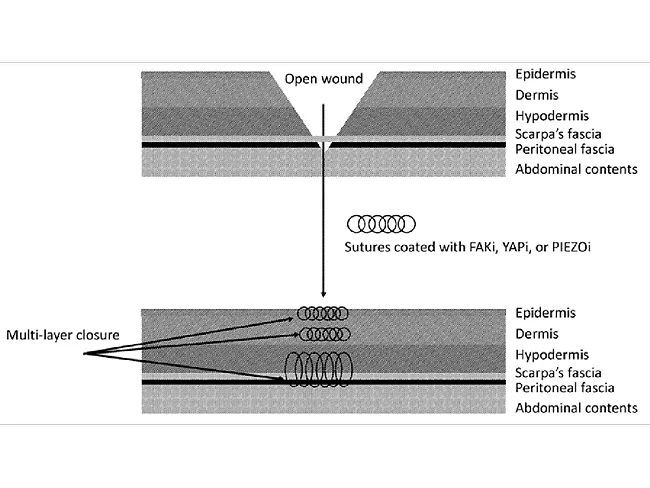
Researchers from Stanford University have filed for protection of their use of mechanotransduction inhibitors in coatings for surgical sutures to reduce scarring.
It’s well past time for the U.S. FDA to end its silence on what device patents can be listed in the Orange Book as part of a drug-device combination product, Sen. Bill Cassidy (R-La.) said in an Oct. 1 letter that took FDA Commissioner Robert Califf to task for letting the FTC do the FDA’s job.
Neurobo Pharmaceuticals Inc., of Cambridge, Mass., reported top-line phase Ia study results of its obesity drug candidate, DA-1726, Sept. 30, causing the company’s shares to lose 11.7% of their value over two days.
Setpoint Medical Inc. received U.S. FDA investigational device exemption approval to initiate a study of its neuroimmune modulation platform in people living with relapsing-remitting multiple sclerosis. Setpoint plans to launch the 60-person trial in 2025 to evaluate the use of its implantable neurostimulation device to slow or reverse the nerve damage characteristic of multiple sclerosis.
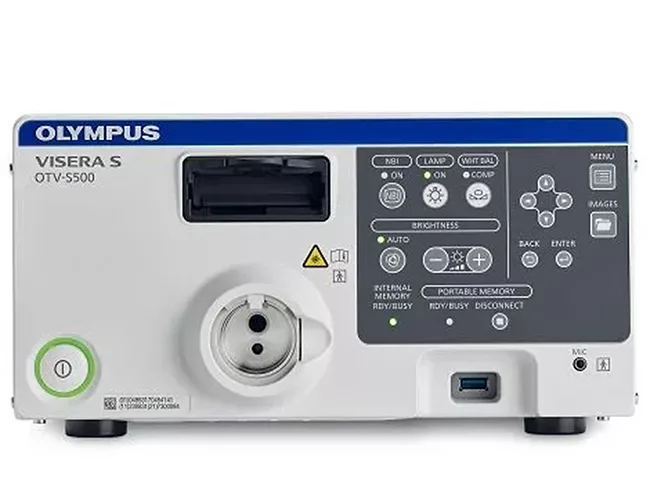
Tokyo-based Olympus Corp. launched a new video imaging platform called Visera S (OTV-S500) in Europe and select Asian countries September 2024 while advancing more rollouts for the product worldwide.
The U.S. Patent and Trademark Office opted to allow the 2.0 pilot version of the After Final Consideration Program to expire, bringing to an end a program that ran for longer than a decade.
Gritstone Bio Inc. has had a tough year and new interim phase II data of Granite haven’t helped. The company called the progression-free survival results “encouraging” in the ongoing phase II/III trial of its personalized neoantigen-targeting immunotherapy for treating front-line microsatellite stable colorectal cancer.
Shattuck Labs Inc. opted, as one analyst put the matter, to do “the right thing early” by ending the clinical program with phase I-stage SL-172154 and shift resources to SL-325, a death receptor 3 antagonist, initially for inflammatory bowel disease, where TL1A/DR3-blocking antibodies have shown compelling monotherapy efficacy.
Depending on how long it lasts, the dockworkers strike that hit all 14 ports on the U.S. East Coast and along the Gulf Oct. 1 could literally unload a world of hurt to patients and the biopharma/med-tech industries, as it will impact both U.S. imports and exports of life-saving drugs and technologies.
 RSS
RSS