The U.S. Department of Justice (DOJ) has been aggressively pursuing fraud perpetrated on the American public in connection with the COVID-19 pandemic, but the formal end of the U.S. public health emergency might seem to suggest that these efforts would be winding down. Nonetheless, deputy attorney general Lisa Monaco has announced that DOJ will open two new strike force offices under the agency’s COVID fraud operations, making clear that the agency is still intent on chasing down fraudsters across the U.S.
Imeka Solutions Inc. has received U.S. FDA 510(k) clearance for the Advanced Neuro Diagnostic Imaging system designed to provide neurologists and radiologists with vital reference information on cerebral white matter for better management of brain diseases such as Alzheimer’s. This comes on the heels of two new CPT 3 codes for quantitative brain MRI assessment which Imeka expects its clients will begin taking advantage of by January 2024.
Dublin-based Medtronic plc. has invested considerable resources into its renal denervation program, but the company has not completed its regulatory journey for the U.S. market just yet. Medtronic failed to persuade an FDA advisory committee of the virtues of its Symplicity Spyral device due to inconsistent results from the two major studies presented at the hearing but vowed to keep working on the application despite the sustained headwinds.
The COVID-19 pandemic might be officially over, but future variants could still pose a threat, and serious health consequences of the causative virus continue to arise, a fact that has prompted the U.S. government to offer Regeneron Pharmaceuticals Inc. about $326 million to develop and manufacture a next-generation COVID-19 monoclonal antibody therapy.
The U.S. Federal Trade Commission has picked Henry Liu of the law firm of Covington & Burling to run the agency’s Bureau of Competition, a seat that was vacated earlier this year when Holly Vedova retired.
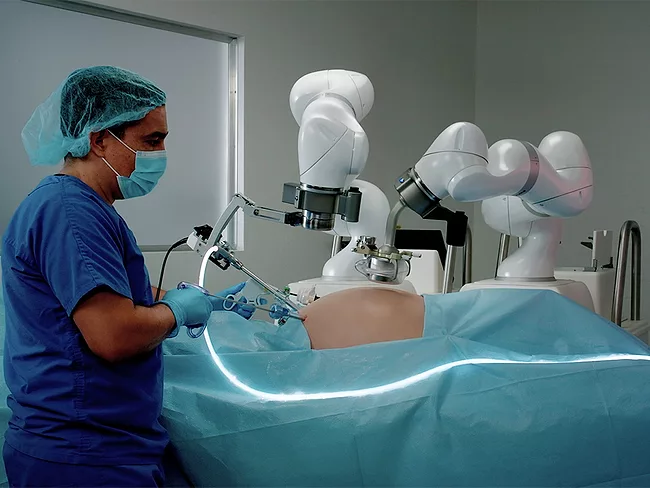
Levita Magnetics International Corp. received uplifting news this week as the U.S. FDA cleared its magnetic-Assisted Robotic Surgery (MARS) minimally invasive surgical platform. MARS builds on the company’s first product, the Levita magnetic surgical system, by providing greater control of surgical instruments to surgeons. The platform is cleared for use in bariatric, colorectal, gallbladder and prostate surgeries.
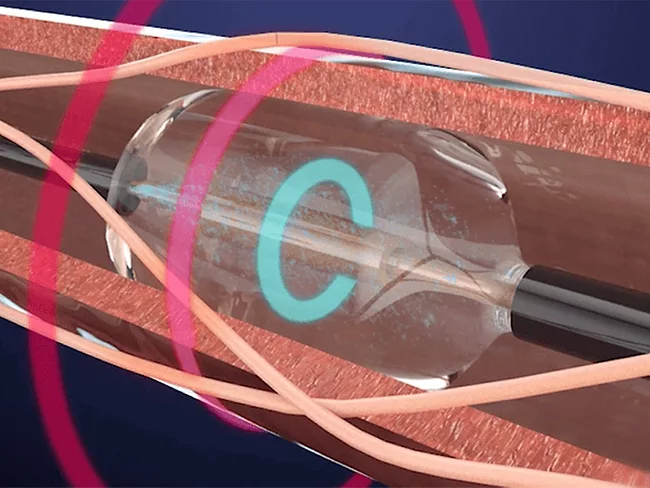
The age of renal denervation as a treatment for hypertension may have finally arrived in the U.S. with the affirmative U.S. FDA advisory vote for the Paradise system for renal denervation by Recor Medical Inc., of Palo Alto, Calif. The 12-member advisory committee vote unanimously that the data suggested the ultrasound-based device was safe and voted 8-3 in support of the Paradise’s efficacy, an outcome that the agency may find difficult to refute, given the large public health impact of hypertension in the U.S.
Boehringer Ingelheim GmbH is the latest company to dive into the legal fray surrounding the federal government’s plan to change drug costs. The drug price negotiation program established by the Inflation Reduction Act is “unlawful,” according to the company’s brief, because it violates the due process clause and the just-compensation portion of the U.S. constitution’s Fifth Amendment.
The U.S. FDA approved Pfizer Inc.’s respiratory syncytial virus (RSV) prophylactic, Abrysvo (RSVpreF) for maternal use, providing pregnant women with the option of protecting their newborns up to the age of 6 months against RSV for the first time. The regulator’s Vaccines and Related Biological Products Advisory Committee voted 14-0 in favor of approving the BLA for maternal use of the vaccine in May, a few weeks before the agency gave it the go-ahead for use in older adults (those ages 60 and older).
The process of discovery is resource-consuming in any type of litigation, but this is especially the case for patent litigation due to the exceptional importance of attorney-client privilege in patent prosecution. However, a U.S. judicial advisory committee is considering a rewrite of the rules to ease some of this burden in a move that could cut both the expense and time consumed by patent litigation, a development that is sure to draw cheers from across the spectrum of innovators in the life sciences.
 RSS
RSS