The U.S. Department of Justice (DOJ) reported an indictment of three men alleged to have filed more than $100 million in genetic testing false claims directly or indirectly with the Medicare program. Two of the three defendants face as many as 65 years of incarceration if convicted, a clear sign that federal government agencies in the U.S. are more intent than ever on cracking down on fraud and abuse of federal health programs.
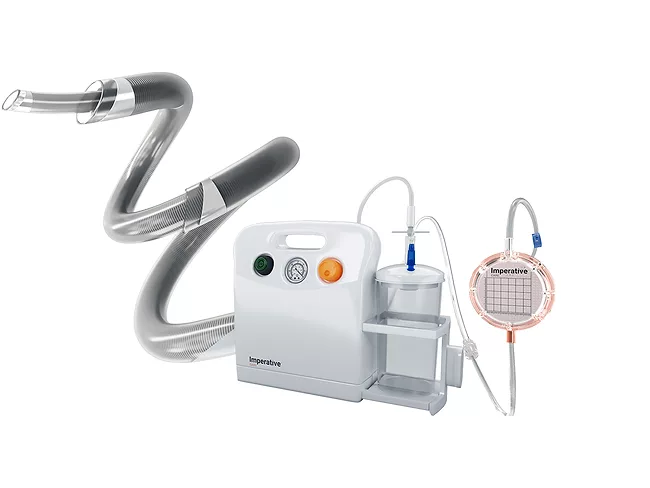
Imperative Care Inc. received U.S. FDA 510(k) clearance for its Zoom Rdl radial access system for treatment of ischemic strokes. The device is designed to enhance radial access for removal of clots in patients with tortuous anatomy and other challenges to the femoral access typically used, providing more options for both patients and physicians.
As expected, the U.S. FDA gave its go-ahead to lecanemab, an amyloid-beta binder for mild cognitive impairment caused by Alzheimer’s disease (AD) and mild AD – together known as early AD – from Biogen Inc. and Eisai Co. Ltd, which have assigned to the compound the brand name Leqembi.
Playwright George Bernard Shaw is credited with coining the phrase, “better late than never,” a piece of advice the U.S. FDA seems to have taken to heart when it comes to posting the regulations for first-of-a-kind devices. The agency has posted eight regulations for de novo devices just between Jan. 4 and Jan. 5, 2023, five of those arriving on the latter of those two days in a post-holiday scramble to catch up.
Baxter International Inc. wasted no time in tackling its New Year’s resolution to trim down the business. On Friday morning, the company revealed details around the divestitures it foreshadowed in its third quarter 2022 earnings call with the announcement that it planned a tax-free spin off its Renal Care and Acute Therapies businesses into an independent, publicly traded company within the next 12 to 18 months.
The process used by Patent Trial and Appeal Board (PTAB) at the U.S. Patent and Trademark Office PTO) to review patent disputes has become an issue yet again, thanks to a report by the Government Accountability Office (GAO). According to the GAO report, 75% of respondents to a survey of PTAB judges said that oversight practiced at PTO affected their independence in adjudicating cases, but that view was not universally held by these judges, leaving stakeholders with a vague picture as to the nature of the processes handled by the PTAB.
Upholding a 2021 jury verdict against a hedge fund adviser accused of making fraudulent statements to drive down Ligand Pharmaceuticals Inc.’s stock price, the U.S. Court of Appeals for the First Circuit shot down Gregory Lemelson’s arguments that his statements related to the company and its lead drug, Promacta (eltrombopag), were opinions protected by the First Amendment and that they were not material.
The new year kicked off with good news from the U.S. FDA for Onconano Medicine Inc. The agency granted the company’s pH-sensitive fluorescent nanoprobe, pegsitacianine, breakthrough therapy designation for use as an adjunct for visualization of metastases in the peritoneal cavity.
After more than five years and extensive feedback, the U.S. FDA is finalizing its guidance on the format and content of risk evaluation and mitigation strategy (REMS) plans for prescription drugs and biologics associated with serious risks.
Burning Rock Biotech Ltd.’s share price flared up on Tuesday morning on news of U.S. FDA breakthrough device designation for its Overc multi-cancer detection blood test (MCDBT). The stock closed on Dec. 30, 2022, at $2.26 and rose sharply on the announcement to open at $2.89. By the end of the day, however, the stock had sunk to $2.15.
 RSS
RSS





.webp?height=488&t=1670008838&width=650 "Acute myeloid leukemia")