Responding to concerns about corporate insider trading, especially among life sciences companies, the U.S. SEC unanimously adopted final rules Dec. 14 establishing a 90-day cooling-off period before trades can be made under 10b5-1 plans that provide a safe harbor to insider trading.
Given all the advances that have been made over the past decade, the U.S. FDA decided to issue a new draft guidance on developing antibacterial drugs to treat pulmonary tuberculosis (TB) rather than finalize the draft it issued in 2013. In releasing the new draft, the agency cited advancements made in nonclinical models, streamlined clinical development programs and growing interest in treatment-shortening combination regimens.
As the Feb. 28, 2023 PDUFA date for the compound nears, Cytokinetics Inc. CEO Robert Blum insisted that his firm is not mulling withdrawal of the marketing application for heart failure drug omecamtiv mecarbil, nor is the company now considering another study, after an unfavorable vote on the drug Dec. 13 by the U.S. FDA’s Cardiovascular and Renal Drugs Advisory Committee.
As largely expected, Mirati Therapeutics Inc.’s adagrasib gained U.S. FDA accelerated approval ahead of its Dec. 14 PDUFA date, cleared for second-line use in patients with non-small-cell lung cancer (NSCLC) harboring the KRAS G12C mutation, in which it will go up ahead Amgen Inc.’s Lumakras (sotorasib), which has the advantage of a year and a half head start.
Even though Cytokinetics Inc. received applause for testing its heart failure drug, omecamtiv mecarbil, in the second largest global heart disease clinical trial ever, the drug didn’t get a standing ovation from the U.S. FDA’s Cardiovascular and Renal Drugs Advisory Committee (CRDAC) Dec. 13.
Natus Medical Inc. entered into a definitive agreement to acquire EU-based neurophysiology solution provider Micromed Group SpA. The transaction is expected to close in early 2023, subject to regulatory approvals from the Italian Council of Ministers’ Presidency and the French Ministry of Economy and Finance. Full terms of the transaction have not been disclosed. “The idea behind this acquisition is to provide a single portfolio of neurodiagnostic and neuromonitoring products in the EU and the whole world,” Thomas Sullivan, CEO of Natus Medical, told BioWorld.
What could be Cytokinetics Inc.’s first approved drug will take center stage Dec. 13 at a meeting of the U.S. FDA’s Cardiovascular and Renal Drugs Advisory Committee. But judging from the FDA’s briefing document for the meeting, the spotlight on the heart failure drug, omecamtiv mecarbil, could be harsh.
Biocorp Production SA has been awarded 510(k) clearance from the U.S. FDA to market Mallya as a medical device that connects insulin pens. The news, out on Dec. 8, led Biocorp’s stock price to jump 32.69% to $21.52.
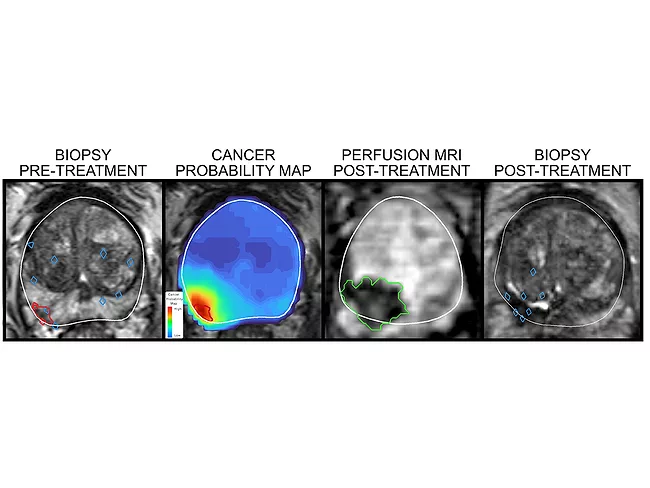
Avenda Health Inc. secured FDA 510(k) clearance for its Iquest platform, which uses artificial intelligence to map the location of a tumor within the prostate. The visualization created provides better assessment of the extent of the malignancy and improves selection of treatments. Avenda raised $10 million in August to support development of Iquest, which guides the company’s Focalpoint laser ablation system.
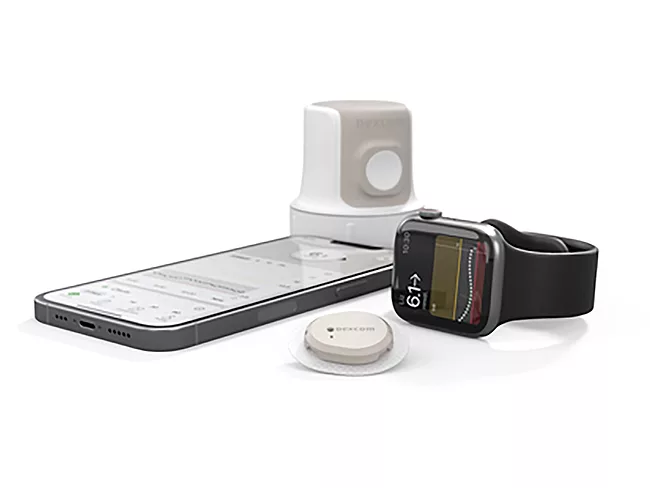
Dexcom Inc. ends 2022 on a high note with broad clearance from the U.S. FDA for its G7 continuous glucose monitoring system (CGM). The long-awaited 510(k) clearance encompasses use in people with all types of diabetes age two and older, positioning Dexcom to take advantage of expanded coverage of CGMs to include individuals on basal insulin-only for Medicare beneficiaries as proposed by CMS in October.
 RSS
RSS