The U.S. FDA’s guidance to COVID-19 vaccine manufacturers, announced June 30, that they should develop modified bivalent boosters that include an omicron BA.4/5 spike protein component marks the beginning of a new era in the pandemic in which manufacturers are no longer driving the development of the vaccines.
GE Healthcare issued a class I recall for Carescape R860 ventilators that covers more than 4,000 units distributed in the U.S., which was necessitated by problems with the battery backup component. No injuries or deaths have been reported in connection with the problem.
If timing is everything, Femasys Inc.’s Fembloc has everything on its side. While the company’s dual tracks addressing infertility and providing permanent contraception may appear at odds, they both serve to put greater control of reproductive decisions and treatment in the hands of women. A permanent contraceptive, Fembloc offers an alternative to surgical tubal ligation by encouraging scar tissue growth in the fallopian tubes in an office-based procedure.
Pfizer Inc. and Biontech SE have signed a deal with the U.S. government to supply up to 300 million doses of COVID-19 vaccines in a deal worth more than $3.2 billion. Depending on the U.S. FDA, the vaccine doses fulfilling the order may include the companies’ omicron-adapted candidate, which they reported June 25 demonstrated a high immune response against the omicron BA.1 subvariant of SARS-CoV-2, when given as a fourth booster.
The U.S. FDA has put five phase III studies of Sanofi SA’s potential multiple sclerosis and myasthenia gravis blockbuster tolebrutinib on partial clinical hold after several cases of liver injury were identified after exposure to the drug. Sanofi said new recruitment in the U.S. is paused and participants who have been part of the trial for fewer than 60 days should stop taking tolebrutinib, although those taking the drug for longer can continue.
The COVID-19 pandemic completely rewrote the script for government responses to communicable diseases, and thus the Biden administration is wasting no time reacting to the emergence of the monkeypox virus. The administration announced June 28 that it has developed a plan to allocate the distribution of large volumes of vaccines, but the CDC has shipped tests to five major commercial lab companies, thus putting the U.S. on a strong footing to respond to the outbreak.
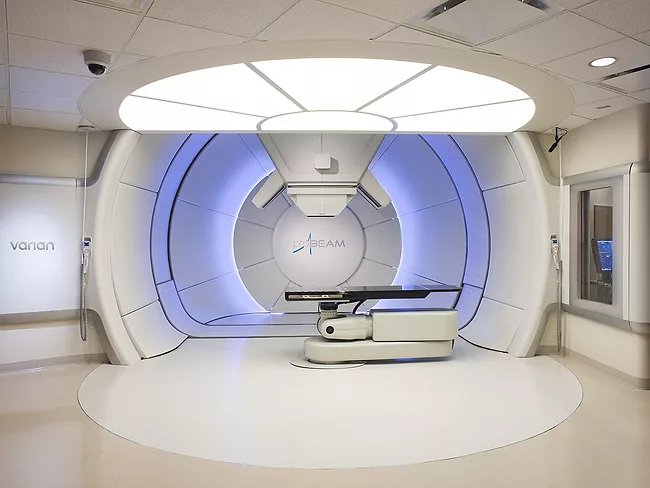
Varian Medical Systems Inc. received an investigational device exemption (IDE) from the U.S. FDA to start a clinical trial evaluating its new radiation therapy. The experimental treatment, named Flash, delivers radiation at ultra-high dose rates, typically in less than one second. The Siemens Healthineers AG company said the therapy is capable of being over 100 times faster than conventional radiation therapy.
Given that Novavax Inc.’s COVID-19 vaccine will be a latecomer to the U.S. scene if it gets FDA authorization, it’s been cast in a supporting role to the lead being played by the mRNA vaccines from Moderna Inc. and Pfizer Inc.-Biontech SE. But the data presented at the June 28 Vaccines and Related Biologic Products Advisory Committee meeting suggest the Novavax adjuvanted protein vaccine may have the chops to take on a larger role in taming the pandemic.
Patent disputes between developers of medical software might not have kept pace with the rate of disputes over in vitro diagnostic patents, but Alivecor Inc. and Apple Inc. are doing their share to keep software patents in the news. In the latest development, Mountain View, Calif.-based Alivecor reported that it won an initial determination of infringement of one of its patents by Apple Inc., of Cupertino, Calif., which could lead to an exclusion order for Apple watches if the case ultimately goes Alivecor’s way.
Spero Therapeutics Inc.’s oral antibiotic, tebipenem Hbr, has been rejected by the U.S. FDA for adults with complicated urinary tract infection, after the regulator said a further trial is needed for approval.
 RSS
RSS