Now that it has some experience with interchangeable biosimilars under its belt, the U.S. FDA is proposing an update to its interchangeability guidance that could eliminate the need for switching studies in some instances.
A nearly two-year-old partial clinical hold has been lifted by the U.S. FDA on PTC Therapeutics Inc.’s pivotal phase II study in Huntington’s disease. The agency had paused enrollment in October 2022, saying it wanted more data on PTC-518, an orally bioavailable small-molecule splicing modifier, before enrollment could continue.
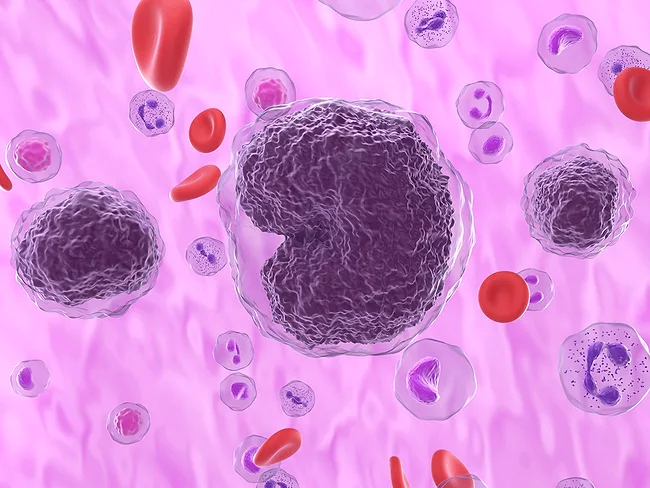
China’s National Medical Products Administration (NMPA) approved Dizal Pharmaceutical Co. Ltd.’s golidocitinib for treating adults with relapsed or refractory peripheral T-cell lymphoma whose disease has progressed or was refractory to at least one prior systemic therapy.
The Biosecure Act missed its first chance at a congressional ride June 11 when the U.S. House Rules Committee didn’t include it, as many had expected, on the list of potential riders the House will consider for its version of the National Defense Authorization Act, a must-pass defense spending bill for fiscal 2025. But that doesn’t mean the bill will be stranded by the wayside.
Becoming the first pneumococcal conjugate vaccine specifically designed for adults 18 and older, Merck & Co. Inc.’s 21-valent candidate, Capvaxive (V-116), gained U.S. FDA approval on its June 17 PDUFA date. The Rahway, N.J.-based company expects to take significant market share based on positive phase III findings from the Stride-3 trial. Analysts have estimated the product could reach $2 billion in annual global sales.
As competition rises in the Keytruda (pembrolizumab) biosimilar space, Celltrion Inc. is the latest to announce that it filed an IND application to the U.S. FDA to start a global phase III trial for its own Keytruda biosimilar, dubbed CT-P51. Incheon, South Korea-based Celltrion, which previously said it would differentiate from the pack by developing an easier-to-administer subcutaneous biosimilar of pembrolizumab, announced June 17 plans to start a global comparative phase III study of CT-P51 and Keytruda.
Takeda Pharmaceutical Co. Ltd. has signed an option agreement to in-license Ascentage Pharma Group Inc.’s olverembatinib, an oral third-generation BCR-ABL tyrosine kinase inhibitor (TKI). If exercised, the option would allow Takeda to license exclusive global rights to develop and commercialize olverembatinib in all territories outside of mainland China, Hong Kong, Macau, Taiwan and Russia.
With all the criticism the U.S. NIH has been getting of late, it’s not surprising that yet another reform proposal for the research agency is brewing in Congress. In unveiling a proposed framework to reform the NIH, House Energy and Commerce Committee Chair Cathy McMorris Rodgers (R-Wash.) recognized the critical role the agency plays in life-saving medical research and innovation.
Criticisms over the U.S. FDA’s use of advisory committees led the agency to hold a June 13 public hearing during which FDA commissioner Bob Califf said the agency is working to improve the experience of special government employees who take part in these hearings.
The U.S. Supreme Court unanimously upheld the FDA’s relaxed regulation of the abortion drug mifepristone when it ruled June 13 that the organizations challenging those changes lacked the standing to do so.

 RSS
RSS