China and U.S. biotech Jacobio Pharmaceuticals Group Co. Ltd.’s shares (HKEX:1167) rose nearly 20% after it filed an NDA in China on May 6 for its independently developed KRAS G12C inhibitor, glecirasib (JAB-21822), to treat lung cancer.
With round 1 not yet completed, the U.S. Centers for Medicare & Medicaid Services (CMS) already is prepping for round 2 of the Medicare negotiations mandated by the 2022 Inflation Reduction Act. While the negotiation process will expand to Part B drugs in the future, round 2, like the first cycle, will be limited to single-source Part D drugs that account for some of the highest Medicare expenditures. However, the number of drugs selected for the next cycle could grow from the current 10 to up to 15
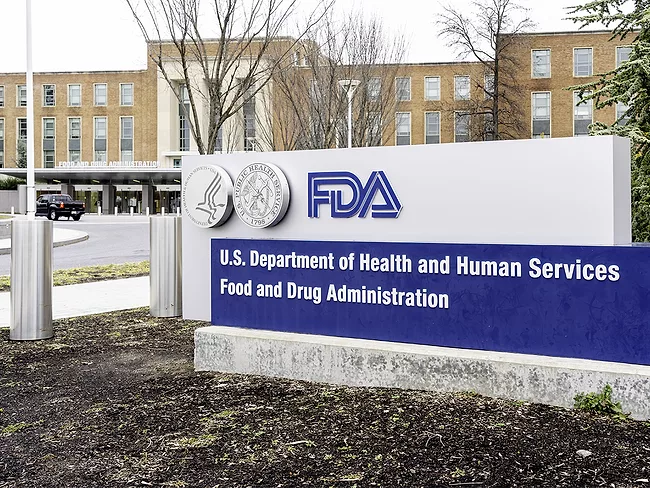
Checking off another item on its PDUFA VII to-do list, the U.S. FDA is releasing a draft guidance on using a logic model framework for risk evaluation and mitigation strategies (REMS).
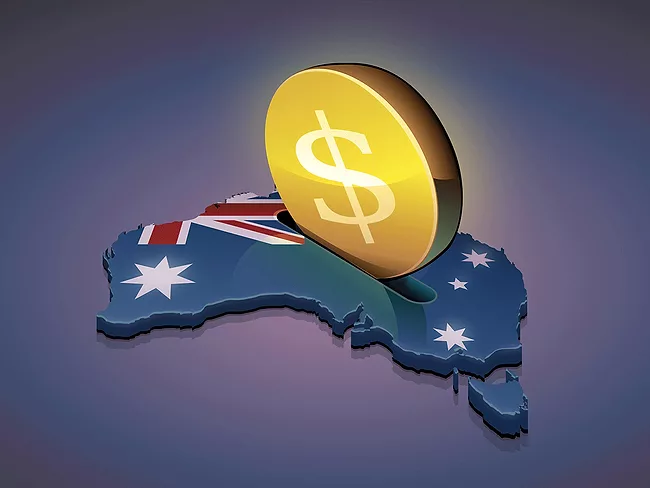
The Australian government is investing AU$1.89 billion (US$1.25 billion) in what it is calling a “once-in-a generation transformation” of health and medical research in Australia with $1.4 billion tagged for new research for the Medical Research Future Fund.
Recent advances in artificial intelligence (AI) have generated a tsunami of popular dystopian musings, but the U.S. Patent and Trademark Office (PTO) has its own concerns about AI’s impact on intellectual property.
Just a few days after the U.S. Congressional Research Service issued a report suggesting ways Congress could resolve the unanswered questions about patent listings in the FDA’s Orange Book, the FTC sent a second round of warning letters to eight biopharma companies and their subsidiaries, citing the listing of device patents for combination products.
The U.S. FDA’s senior managers often lament the lack of routine increases in taxpayer funding, a concern that Michael Rogers, the associate FDA commissioner for regulatory affairs, reiterated during a May 1 webinar. Rogers said the agency’s field inspectorate will be working through a large number of retirements over the next few years, a predicament he said will continue to be “a huge challenge” to overcome.
The U.S. government chalked up another win April 29 against the constitutional challenges to the Inflation Reduction Act’s provision mandating direct Medicare price negotiations for selected prescription drugs.
Three people have agreed to pay more than $170,000 to settle U.S. SEC insider trading charges related to UCB SA’s $1.9 billion acquisition of Zogenix Inc.
Ten days early, the U.S. FDA granted full approval under priority review to Pfizer Inc. and Genmab A/S’s antibody-drug conjugate Tivdak (tisotumab vedotin) to treat cervical cancer.

 RSS
RSS