COVID-19 kept its grip on the world in 2021 as one new variant after another created new waves of infection, forcing regulatory officials to face ongoing political and logistical pressures in dealing with drug and vaccine approvals, mergers and acquisitions, manufacturing issues and demands for pricing reforms.
There was no slowing of biopharma innovation in 2021, even as industry directed significant resources to, while feeling the impact of, the ongoing COVID-19 pandemic. The year saw big wins for developers of DNA vaccines and biosimilars, while CAR T expanded its reach and a drug target once considered undruggable was finally conquered. And as 2021 gives way to 2022, other potentially game-changing technologies and therapeutics are waiting in the wings.
Regulatory snapshots, including global drug submissions and approvals, clinical trial approvals and other regulatory decisions and designations: Acer, Aprea, Bayer, Brii, Cytodyn, Cytokinetics, Heron, Intercept, Nrx, Ocugen, Reata, Sesen, VBI.
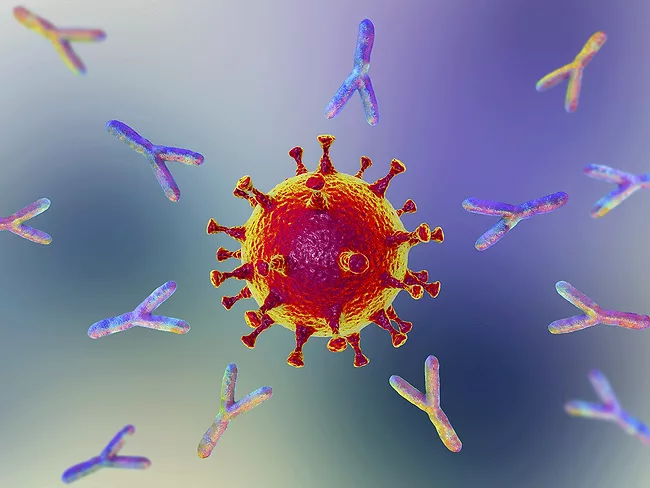
A cocktail of monoclonal neutralizing antibodies developed by Brii Biosciences Ltd. has become “the first locally-discovered and approved SARS-CoV-2 target-specific treatment in China, through a randomized, double-blind and placebo-controlled trial,” Rogers Luo, president and general manager of greater China at the company, told BioWorld. The NMPA approved a combination of Brii’s amubarvimab and romlusevimab as a treatment for both adults and pediatric patients, ages 12 to 17, with mild and “normal type” COVID-19 at high risk for progression to severe disease, including hospitalization or death.
The Russian Federation is making progress in building its drug supply system and increasing access to medicines and medical devices. In a Dec. 7 update on the progress being made, Minister of Health Mikhail Murashko highlighted the work of the Circle of Kindness fund, efforts to ensure the availability of vaccines and other drugs throughout the federation, and the launch of a labeling system to promote the timely identification of uncertified and counterfeit drugs.
U.S. President Joe Biden has yet to nominate a new director to helm the National Institutes of Health (NIH) when Francis Collins steps down next week, but in the interim, Lawrence Tabak, the principal deputy director at the agency, will serve as the acting director beginning Dec. 20.
Regulatory snapshots, including global drug submissions and approvals, clinical trial approvals and other regulatory decisions and designations: Aytu, Bioinvent, Biontech, Cybin, Cytodyn, Daré, Moderna, Neurop, Nuvation, Pfizer, Saol, Supernus.
Daré Bioscience Inc.’s investors will have to wait a while for details regarding a commercialization partnership centered on Xaciato (2% clindamycin phosphate gel, formerly known as DARE-BV1) as a single-dose treatment of bacterial vaginosis (BV) in females 12 years of age and older. Approved Dec. 7, Xaciato is expected to launch next year.
Shanghai Henlius Biotech Inc.’s self-developed Hanbeitai (bevacizumab biosimilar) has received marketing approval from China’s NMPA. It was approved for the treatment of metastatic colorectal cancer and unresectable, locally advanced, recurrent, or metastatic non-squamous non-small-cell lung cancer.
There is now more clarity on the Omicron variant of SARS-CoV-2, as serum antibodies produced by three doses of the Pfizer Inc.-Biontech SE COVID-19 vaccine have been shown to neutralize it. The data arrived a day after Glaxosmithkline plc and Vir Biotechnology Inc. said the monoclonal antibody sotrovimab retains activity against key mutations of the Omicron variant, including those found in sotrovimab’s binding site.
 RSS
RSS