The U.K. is continuing to shape up regulation, adding reform of its accelerated drug approval process and its draft guidance on personalized mRNA cancer vaccines to new clinical trial regulations that will come into force early in 2026. The Innovative Licensing and Access Pathway has been relaunched following a review of the industry’s experience of the scheme since its introduction in January 2021, and it will be open for applications from next month.
When the U.S. CDC and FDA recently removed several webpages and datasets from their websites in compliance with a directive from the Office of Personnel Management, they broke the law and harmed public health and research, according to a lawsuit filed Feb. 4 by Doctors for America.
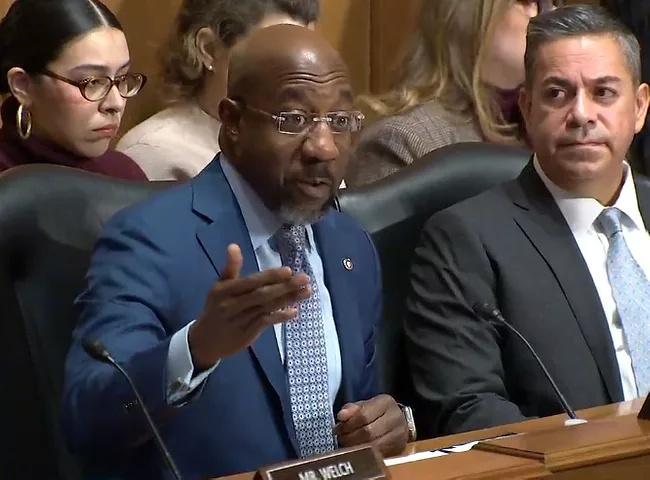
Robert F. Kennedy Jr. moved a step closer Feb. 4 to becoming the next secretary of the U.S. Department of Health and Human Services (HHS). The Senate Finance Committee voted 14-13 along party lines to send Kennedy’s nomination to the Senate floor for confirmation. While “no” votes were expected from the 13 Democrats serving on the committee, a big question mark had hung over which way Sen. Bill Cassidy, R-La., would vote, given the comments he made at two committee hearings on the nomination. In the end, Cassidy voted along with his 13 Republican colleagues, offering no comment on his vote at the meeting.
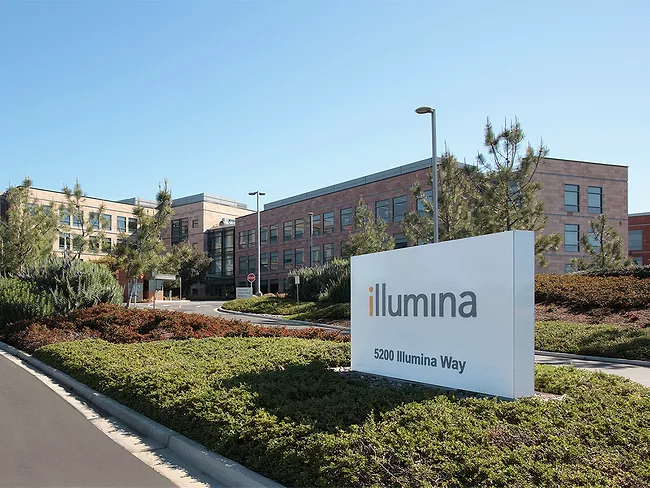
The Chinese government blacklisted several American companies, including gene sequencing-focused biotechnology firm Illumina Inc. and fashion brand PVH Corp., citing threats to China’s “national sovereignty, security and development interests.”
Japan’s drug pricing scheme has gotten more complicated, and pharma companies should brace themselves for annual price cuts. Industry has been pushing back against the annual price reductions to no avail, Ray Fujii, managing director of LEK’s San Francisco office told BioWorld. Although 2025 is a mid-year revision in Japan, and not a formal price revision year, the system for considering drug prices has gotten more confusing with a new formula for determining price cuts.
Whether Robert F. Kennedy Jr. (RFK) advances in his quest to become the top health care voice in the Trump administration could come down to one vote – that of Sen. Bill Cassidy. The Louisiana doctor is one of 14 Republican members of the Senate Finance Committee, which is scheduled to vote Feb. 4 on whether to send Kennedy’s nomination as Health and Human Services secretary to the full Senate for confirmation. If all 13 Democrats on the committee vote against it, one no vote from a Republican could stop the process.
Now that Novo Nordisk A/S’ blockbuster semaglutide franchise has been selected as one drug for the next round of the CMS price negotiation, the Bagsværd, Denmark-based company is asking a U.S. appellate court to expedite its consideration of Novo’s challenge to the negotiations and the way CMS is implementing the program.
Complete response letter hurdles overcome and U.S. FDA clearance in hand, Axsome Therapeutics Inc. will disclose pricing in about four months, closer to the launch of Symbravo to treat adult migraine with or without aura.
EMA approval of the Alzheimer’s disease therapy Leqembi (lecanemab) has stalled once again, after the European Commission did not as usual nod through the agency’s recommendation, but told it to examine safety data that have recently become available.
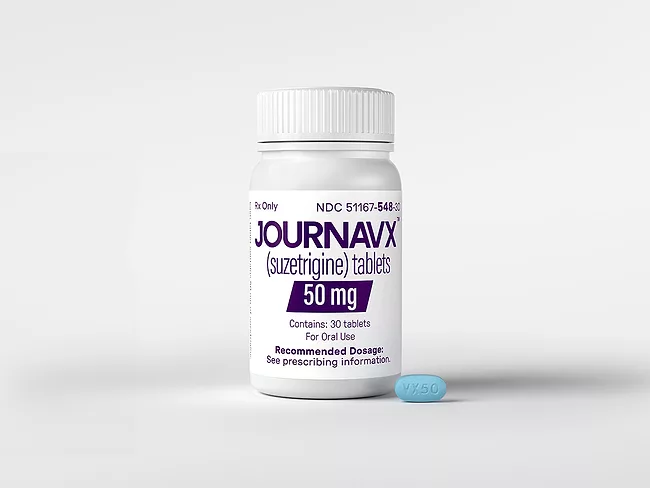
An effort two decades in the making, Vertex Pharmaceuticals Inc.’s suzetrigine gained U.S. FDA approval as the first drug targeting the NaV1.8 pain signal. Branded Journavx, the oral small molecule is cleared for use as a non-opioid option for treating moderate to severe acute pain.

 RSS
RSS