The FDA has continued a series of device risk classifications with the formal announcement that general containment systems used with power morcellators will henceforth be deemed class II, moderate-risk devices.
Former FDA Commissioner Stephen Hahn is being asked to spill the beans on political interference at the U.S. agency during the emergence of COVID-19 last year.
U.S. trading partners are raising concerns about the FDA’s continued delays in inspecting foreign drug manufacturing facilities due to the COVID-19 pandemic and related travel restrictions.
The FDA gave Pear Therapeutics Inc. a second breakthrough device designation with the company’s Reset-A prescription digital therapeutic (PDT) for alcohol use disorder getting the regulatory agency’s speed pass. The news comes a week out from the vote of stockholders of blank-check company Thimble Point Acquisition Corp. Inc. on a combination with Pear that will take the digital therapeutic company public.
The FDA has issued new risk classification orders for two series of products, including in vitro diagnostics for hepatitis C, two of which the agency down-regulated from class III to class II. However, blood lancets for multiple uses on more than one patient has been elevated from class I to class III, a change that has no impact on any products currently available on the U.S. market.
TORONTO – Despite high tech costs and tight public sector budgeting, COVID-19 has driven Canadian procurement offices to echo a sentiment uttered by average Canadians, “Damn the costs. Give us something that really works.”
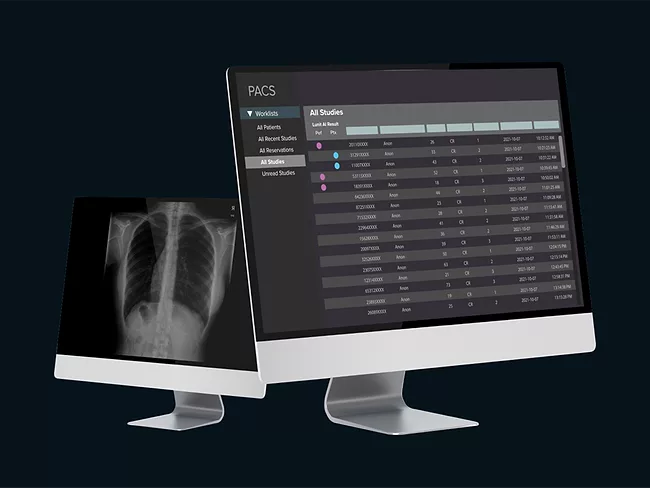
Lunit Inc. has won FDA approvals for the company’s breast cancer detection product Lunit Insight MMG and the triage and notification software Lunit Insight CXR Triage, only days apart. Lunit Insight MMG is an artificial intelligence (AI) product for breast cancer detection from mammography images. Lunit’s second approval is for Lunit Insight CXR Triage, its AI-powered chest X-ray triaging product.
Regulatory snapshots, including global submissions and approvals, clinical trial approvals and other regulatory decisions and designations: Pear, Strados Labs, Theradaptive.
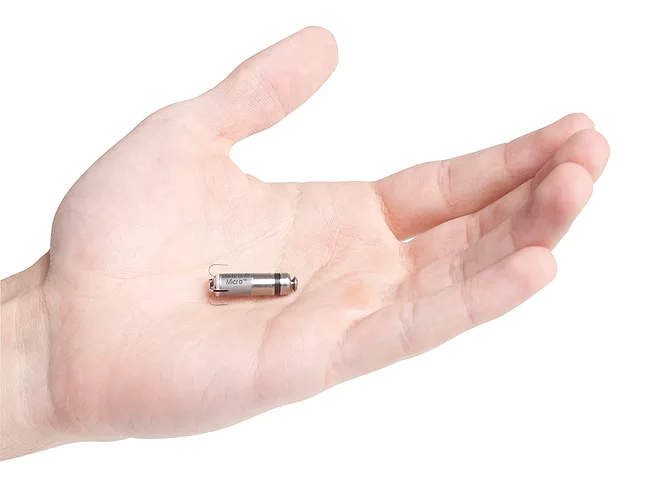
Dublin-based Medtronic plc’s Micra pacemaker was a groundbreaking device when the FDA approved the leadless pacemaker in 2016, thanks to the elimination of the hazards associated with pacemaker leads. However, the FDA said recently that the risks associated with cardiac perforation with leadless pacemakers, such as tamponade or death, might be higher with the Micra than with pacemakers with leads.

 RSS
RSS