PERTH, Australia – Australia’s TGA issued new guidance to help device manufacturers better understand new classifications for active medical devices, including software-based medical devices, and clinical decision support software.
Feops SA reported that its Heartguide product has received de novo authorization from the FDA for pre-operative planning of left atrial appendage occlusion (LAAo) with the Boston Scientific Corp. Watchman device. The software platform is designed to help physicians virtually model clinical scenarios with different implant positions and sizes of the Watchman device using digital twin technology based on patient-specific virtual replicas of the heart. It is currently commercially available in the EU, U.K., Canada and Australia for transcatheter aortic valve implantation and LAAo workflows.
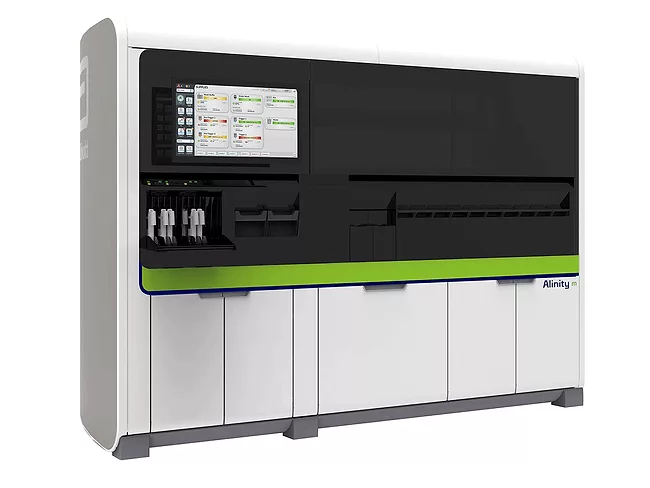
The FDA reported Oct. 14 that software used with the Alinity m test kit by Abbott Laboratories is being recalled for the potential for false positive results, a problem due to software used to automate the processing of the test. This recall was originally issued in mid-September, but the Abbott Park, Ill.-based company is advising labs to treat any test result as presumptive at best.
Glaukos Corp., of San Clemente, Calif., has taken another step forward in obtaining global market access for its Istent device for glaucoma with a positive coverage recommendation in Canada. Health Quality Ontario (HQO) has recommended that taxpayer dollars be used to cover the device in conjunction with cataract surgery, although the endorsement is limited to patients with mild to moderate glaucoma that is not well controlled with pressure-lowering medications.
The shortage of European notified bodies (NBs) for in vitro diagnostics has prompted calls from industry to delay the compliance dates for the In Vitro Diagnostic Regulation (IVDR), and the European Commission has responded with a proposed fix. The Commission proposed to give IVDs that are already on the market until May 2025 or later to obtain new CE marks, but the change requires the assent of the European Parliament and the European Council before it goes into force.
Regulatory snapshots, including global submissions and approvals, clinical trial approvals and other regulatory decisions and designations: Agilent, Electrocore, Feops, Varian.
The FDA’s device center has posted a draft guidance that addresses unique device identifier (UDI) code requirements applied to low-risk products. The select update offers enforcement discretion in some instances for class I consumer health products, a switch partly justified by the exceedingly low risk presented by such products.
Device makers have argued for years that not all medical device recalls are the same, and thus the FDA should be more forthcoming with the public about the difference between a recall that is accompanied by a market withdrawal and a recall that driven by something as innocuous as a minor adjustment to the product label.
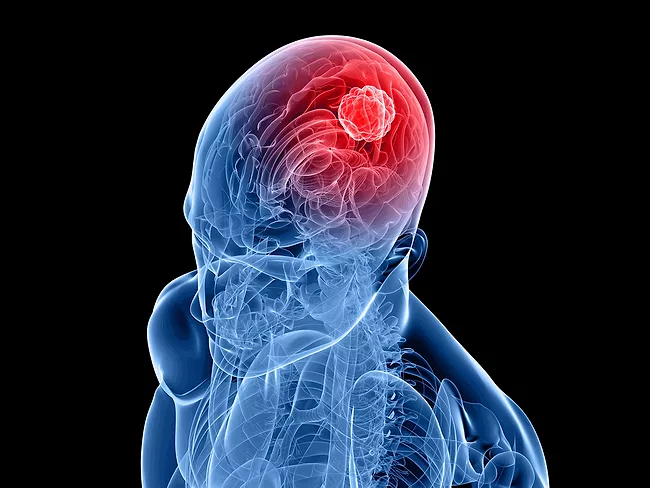
Alpha Tau Ltd. has secured a second breakthrough device designation for its Alpha Dart radiation treatment for solid cancer tumors. The FDA has granted the Jerusalem-based company’s technology a designation for the treatment of patients with recurrent glioblastoma multiforme (GBM), an aggressive malignant brain tumor. GBM has an average five-year survival rate of less than 10% and is the most common malignant tumor of the brain or central nervous system. According to the designation, the Alpha Dart system can be used to treat recurrent GBM as an adjunct to standard medical therapies or as a standalone therapy after standard medical therapies have been exhausted.
 RSS
RSS