The FDA granted de novo marketing authorization for Paige Prostate, artificial intelligence (AI)-driven software that improves detection of prostate cancer. The clinical study submitted to the FDA demonstrated that using Paige Prostate resulted in a 7% improvement in sensitivity in correctly diagnosing cancer, increasing from 89.5% to 96.8%.
The U.K. National Institute of Health and Care Excellence (NICE) has examined the evidence for the use of mitral valve-in-valve procedures and found the evidence for safety is well rounded despite concerns about several complications.
Regulatory snapshots, including global submissions and approvals, clinical trial approvals and other regulatory decisions and designations: Co-Diagnostics, Ivwatch, Kleiner, Welldoc.
The med-tech regulatory picture is already in a state of flux thanks to changes imposed by the EU, but device makers and those in the digital health space might soon be facing yet another series of profound changes in Europe. The U.K. Medicines and Health Care Products Regulatory Agency (MHRA) has proposed to revamp its regulatory framework for both traditional medical device and for software/artificial intelligence, adding yet more uncertainty to an already turbulent European regulatory environment.
The COVID-19 pandemic is still swirling about, and rapid antigen tests are still playing a vital role in pushing back against the COVID-19 pandemic, and Australia’s TGA has responded with a guidance on when software used with rapid antigen tests qualifies as a regulated device. The TGA has classified such software as a class 3 device when used with a rapid antigen self-test, thus requiring a separate regulatory application before it can be eligible for entry in the Australian Register of Therapeutic Goods (ARTG).
PERTH, Australia – Changes to Australia’s medical device requirements have resulted in certain devices no longer requiring TGA conformity assessment certification, including class IV in vitro diagnostics (IVDs). As of July 23, 2021, devices that contain drugs or materials of animal, microbial, recombinant or human origin no longer require mandatory TGA conformity assessment certification. Instead, sponsors of these devices will be able to provide conformity assessment documents issued by notified bodies designated by a European Union member state to support their applications on the Australian Register of Therapeutic Goods (ARTG).
The U.S.FDA said the recall of two models of the Pipeline Flex embolization devices is due to a risk that the delivery system’s wire and tubes will fracture during placement of the stent. The agency said the recall is associated with 59 reports of malfunction, 10 serious injuries and two fatalities, making this a class I event.
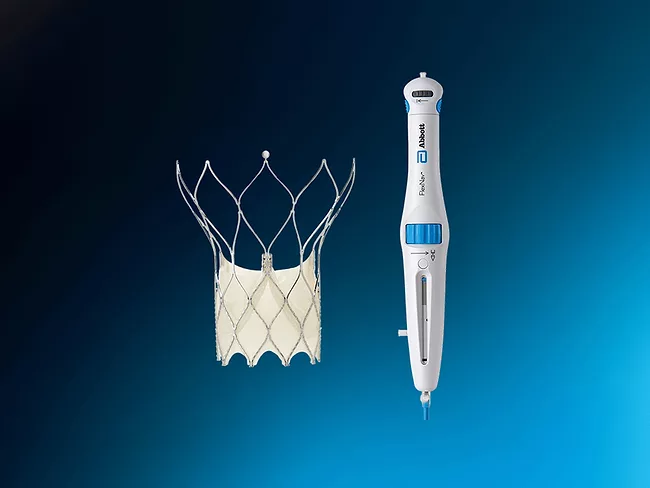
Roughly a decade has passed since the FDA first approved a transcatheter aortic valve replacement (TAVR) device, but the U.S. market has proven difficult to access for more than a small number of manufacturers. Abbott Laboratories, of Abbott Park, Ill., is now a player in the market with the FDA’s approval of the Portico device, a product that was first implanted in a human subject in 2011, a clear demonstration of the difficulty of moving these devices from research and development to the market.
The U.S. FDA has cleared Memed Diagnostics Ltd.'s blood test for distinguishing between bacterial and viral infections. The diagnostic test has been tipped as an essential step in the fight against antimicrobial resistance. While most infectious disease tests look for the pathogen, Memed BV is an advanced host immune response test that measures the levels of immune system proteins and applies proprietary algorithms to generate an immune signature.
Regulatory snapshots, including global submissions and approvals, clinical trial approvals and other regulatory decisions and designations: Co-Diagnostics, Cosara Diagnostics.
 RSS
RSS