The latest global regulatory news, changes and updates affecting medical devices and technologies, including: Advamed, Boston Scientific, Clinical Research Consultants, MDMA.
The matter of how adhesion of its Viaskin Peanut allergy patch relates to efficacy became a major problem for DBV Technologies SA, which drew a complete response letter (CRL) for the once-daily epicutaneous (EPIT) product. Shares of the Montrouge, France-based firm (NASDAQ:DBVT) closed Aug. 4 at $2.34, down $1.76, or 43%, in reaction to the CRL for the patch, designed to protect children ages 4 to 11. The FDA wants DBV to modify the patch, which means a new human-factor study; officials also are requiring clinical data for the modified patch.
A number of entities have sounded off on the FDA’s discussion paper for artificial intelligence (AI), including several medical societies that would like to see autonomously operating algorithms subjected to more stringent review than supervised algorithms. Vibhor Rastogi, general partner at Symphony AI of Los Altos, Calif., told BioWorld that the company is on board with many of these concerns, adding that the FDA discussion paper does a “good job of balancing innovation and patient safety.”
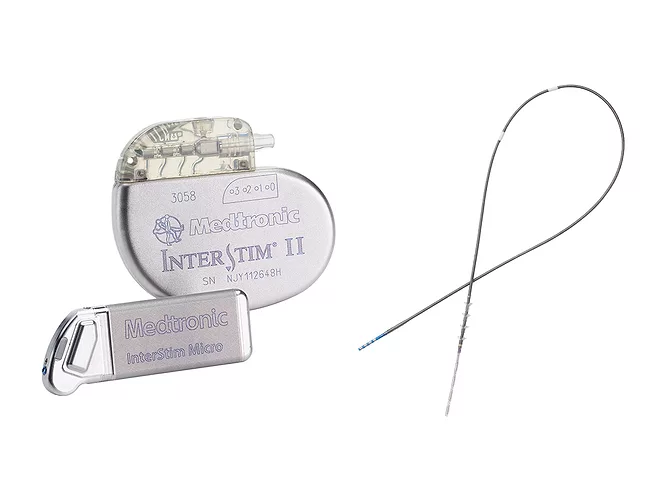
Medtronic plc has won U.S. FDA approval of its Interstim Micro rechargeable sacral nerve stimulator and Interstim Surescan MRI leads for the treatment of urinary and bowel dysfunctions. The new products make Medtronic the only company to offer a choice between rechargeable and recharge-free sacral neuromodulation (SNM) systems, allowing patients to align their treatment with personal lifestyle preferences.
TORONTO – Dishing out hundreds of millions of dollars for new COVID-19 fighting ventilators, test kits and antibody detection platforms Ottawa has another vital gap to close: the time it takes to approve these technologies for the marketplace. A new Canadian pilot program could significantly reduce the amount of time it takes to determine if these technologies are ready for prime time.
The U.S. FDA expanded the indications for Stryker Corp.’s Neuroform Atlas stent system to include use in the posterior circulation or back of the brain, making the device the only adjunctive stent approved for aneurysms in this challenging location. The Kalamazoo, Mich.-based company’s intracranial coil-assist stent gained its initial indication for the more common aneurysms in the anterior circulation of the neurovasculature in May 2019.
Regulatory snapshots, including global submissions and approvals, clinical trial approvals and other regulatory decisions and designations: Medtronic, Stryker.
Regulatory snapshots, including global submissions and approvals, clinical trial approvals and other regulatory decisions and designations: Applied DNA Sciences, Clinical Reference Laboratory.

 RSS
RSS