With the June 9 U.S. Senate Health, Education, Labor and Pensions (HELP) Committee party-line vote of 12-11, Susan Monarez’s nomination is headed to the Senate floor where she could become the first CDC director to go through the confirmation process. That’s thanks to a provision in the bipartisan PREVENT Pandemics Act that was signed into law in 2022.
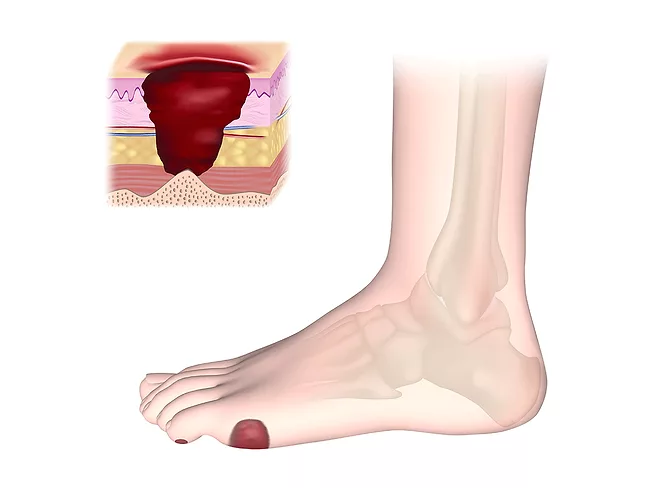
Eluciderm Inc. has received clearance from the U.S. FDA for its IND to conduct a phase I/IIa open-label study evaluating the safety and efficacy of ELU-42, a topical spray-on solution for open wound healing, in patients with diabetic foot ulcers (DFUs).
Sensorium Therapeutics Inc. has reported that the U.S. FDA has cleared the IND application for SNTX-2643 (SENS-01), its lead anxiety program. First-in-human dosing begins in Q3 2025.
Solid Biosciences Inc. has announced approvals of its IND application and CTA by the U.S. FDA and Health Canada, respectively, for SGT-501, a novel gene therapy approach for the treatment of catecholaminergic polymorphic ventricular tachycardia (CPVT), a highly malignant, arrhythmogenic channelopathy caused by mutations in the RYR2 and CASQ2 genes.
Insightec Ltd. received U.S. FDA approval for use of its Exablate Neuro device to address severe motor symptoms in patients with Parkinson’s disease, offering a new option for patients who have not found adequate relief from medications. Exablate Neuro uses focused ultrasound to create lesions in the brain without requiring an incision or implant.
Patent reform in the U.S. revolves largely around the subject matter eligibility question, but Congress is reluctant to intervene – a predicament addressed recently by Andrei Iancu, formerly the director of the U.S. Patent and Trademark Office.
The U.S. Centers for Medicare & Medicaid Services indicated it will act on a previous proposal to terminate the Treatment Choices Model for ESRD at the end of the current calendar year because of a failure of the program to deliver on the promised efficiencies and improvement in outcomes.
China’s National Medical Products Administration gave the green light to Simcere Pharmaceutical Group Ltd.’s Enzeshu (suvemcitug) for treating recurrent ovarian cancer, fallopian tube cancer, or primary peritoneal cancer in combination with paclitaxel, liposomal doxorubicin, or topotecan in adults who have received at least one systemic therapy after platinum resistance.
Four days ahead of its July 7 PDUFA date, the U.S. FDA granted accelerated approval to Dizal (Jiangsu) Pharmaceutical Co. Ltd.’s sunvozertinib (DZD-9008), branded as Zegfrovy, for treating adults with locally advanced or metastatic non-small-cell lung cancer with epidermal growth factor receptor exon 20 insertion mutations following platinum-based chemotherapy.
Wuhan Healthgen Biotechnology Co. Ltd. gained clearance from the Shanghai Stock Exchange July 1 to list under a recently reinstated IPO growth tier geared towards supporting “unprofitable” biotechnology firms.
 RSS
RSS